


 European Stocks Fall as Bond Yields and Geopolitical Risks Weigh
  Asian Stocks Fall as Surging Bond Yields Rattle Markets
  U.S. Treasury Yields Surge as 30-Year Hits 22-Year High
  Gold Holds Near $4,275 as Rising Treasury Yields Fuel Fed Rate Hike Bets
  China’s ‘Lipstick King’ Says AI Won’t Replace Livestream Hosts
  Wall Street Ends Flat as Oil, Treasury Yields and Fed Jitters Rattle Markets
  Asian Currencies Mixed as Dollar Holds Near Two-Month High
  Mexico-US Trade Talks Delayed to October as Tariff Negotiations Continue
  RBI Uses $10 Billion Currency Swaps to Drain Excess Rupee Liquidity
  US Stock Futures Fall as Treasury Yields Surge Ahead of Trump-Xi Summit
  Soybean Futures Slip as Traders Await Trump-Xi Trade Signals
  Oil Prices Ease as Iran Tensions Clash With Diplomacy Hopes
  Oil Prices Fall on U.S.-Iran Hormuz Deal Hopes
  Canadian Dollar Faces Pressure as Fed-BoC Policy Gap Widens
  Fed Unveils Stablecoin Rules Under GENIUS Act


 Add as a preferred source on Google
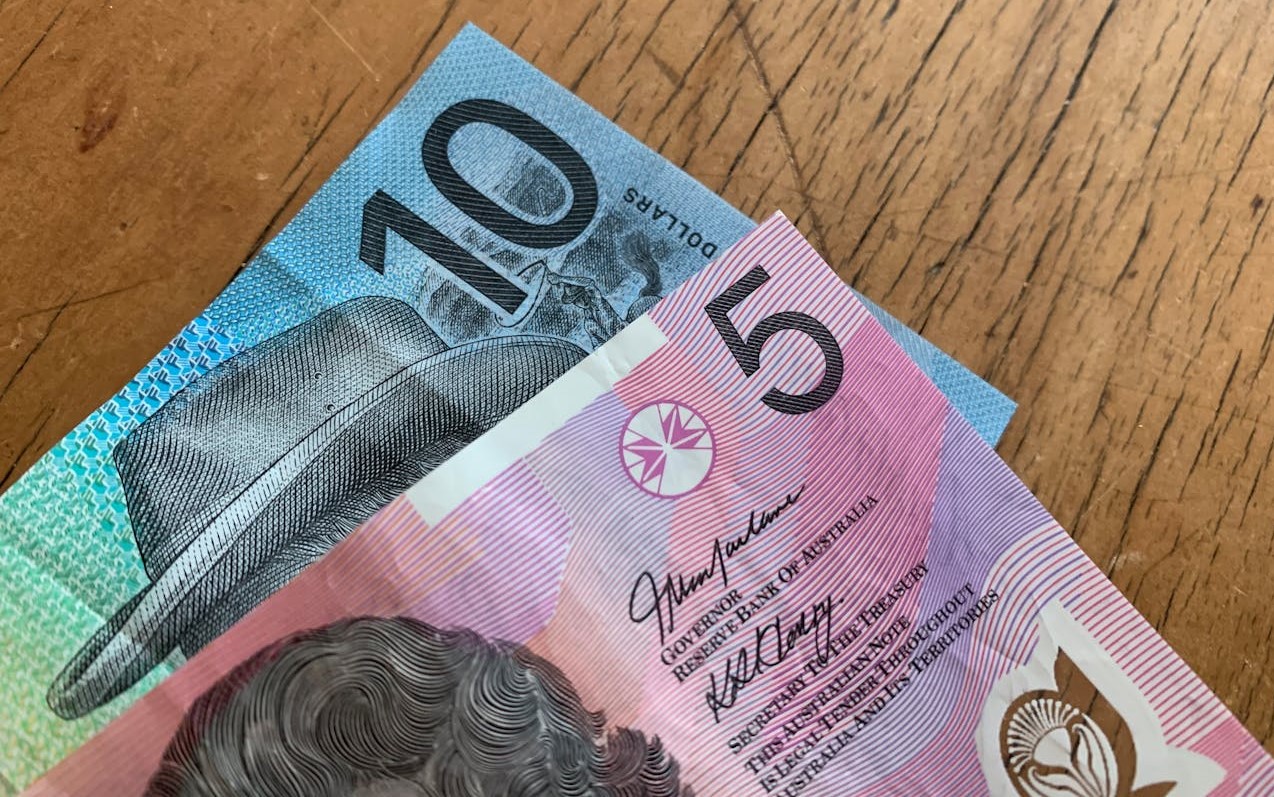
Asian currencies traded mostly within tight ranges on Thursday, with investors watching the Japanese yen closely as it hovered near levels that have previously prompted government intervention. The U.S. dollar remained stable after lawmakers finally moved to end the prolonged U.S. government shutdown, easing some uncertainty in global markets.
The Australian dollar outperformed its regional peers after stronger-than-expected employment data reduced expectations for additional interest rate cuts by the Reserve Bank of Australia. The AUD/USD pair edged up 0.2%, supported by confidence that the labor market’s resilience may slow the central bank’s easing cycle.
Across broader Asian markets, volatility stayed subdued. The Chinese yuan’s USD/CNY pair slipped 0.1% following a firm midpoint fix set by the People’s Bank of China. The South Korean won’s USD/KRW pair eased slightly after hitting a seven-month high earlier in the week. Meanwhile, the Singapore dollar (USD/SGD) and Taiwan dollar (USD/TWD) saw minimal movement as traders maintained a cautious stance.
India’s rupee weakened modestly, with the USD/INR pair rising 0.1% after October’s consumer inflation came in softer than anticipated. The weaker price index reinforced expectations of potential rate cuts from the Reserve Bank of India.
The Japanese yen drew the most attention as the USD/JPY pair briefly climbed above the 155 level for the first time in nearly 10 months—an area historically associated with government intervention. The yen also reached a record low against the euro, reflecting a deepening bearish trend. Market participants are now watching for any policy response from Prime Minister Sanae Takaichi’s administration.
Bank of Japan Governor Kazuo Ueda maintained a dovish tone, signaling that the central bank still aims for moderate inflation supported by wage growth and stronger economic momentum. Finance Minister Satsuki Katayama echoed this stance, noting it was too early for the BOJ to consider rate hikes while inflation remains below its 2% target.
The U.S. dollar traded steadily in Asia after President Donald Trump signed legislation to end the historic government shutdown, which nearly reached 43 days. With the government reopened, traders anticipate the release of delayed economic data for October and November, which will likely offer insights into the shutdown’s financial impact—an effect Trump estimated at $1.5 trillion.







