


 India PMI Rises as Services Offset Manufacturing Slowdown
  Gold Prices Hit Three-Month High as Dollar Weakens
  Iran Allows Iraqi Oil Tankers Through Strait of Hormuz
  Norway Backs Barents Sea Oil and Gas Expansion
  Asian Stocks Slide as Samsung, Alibaba Lead Tech Selloff
  China opens new Arctic trade route – but obstacles will prevent its wider use
  Dollar Near Multi-Month Lows as Treasury Buybacks Rattle Markets
  Trump Vows Tougher Iran Sanctions as US Weighs New Economic Pressure
  South Korea Producer Prices Fall 0.4% in July
  Dollar Hovers Near Multi-Month Lows as Treasury Buybacks Rattle Markets
  Canada Announces Dollar-for-Dollar Retaliation Against 50% U.S. Tariffs
  Gold Holds Above $4,500 as Dollar Weakens
  Oil Prices Ease as US-Iran Tensions Keep Brent on Track for Weekly Gain
  ING Says Yen Is 20% Undervalued Against Dollar
  Oil Prices Retreat as Markets Await Tougher Iran Sanctions
  US Dollar Heads for Worst Week Since July as Fiscal Concerns Mount
  Wall Street Ends Higher as Crypto Stocks and Materials Rally


 Add as a preferred source on Google
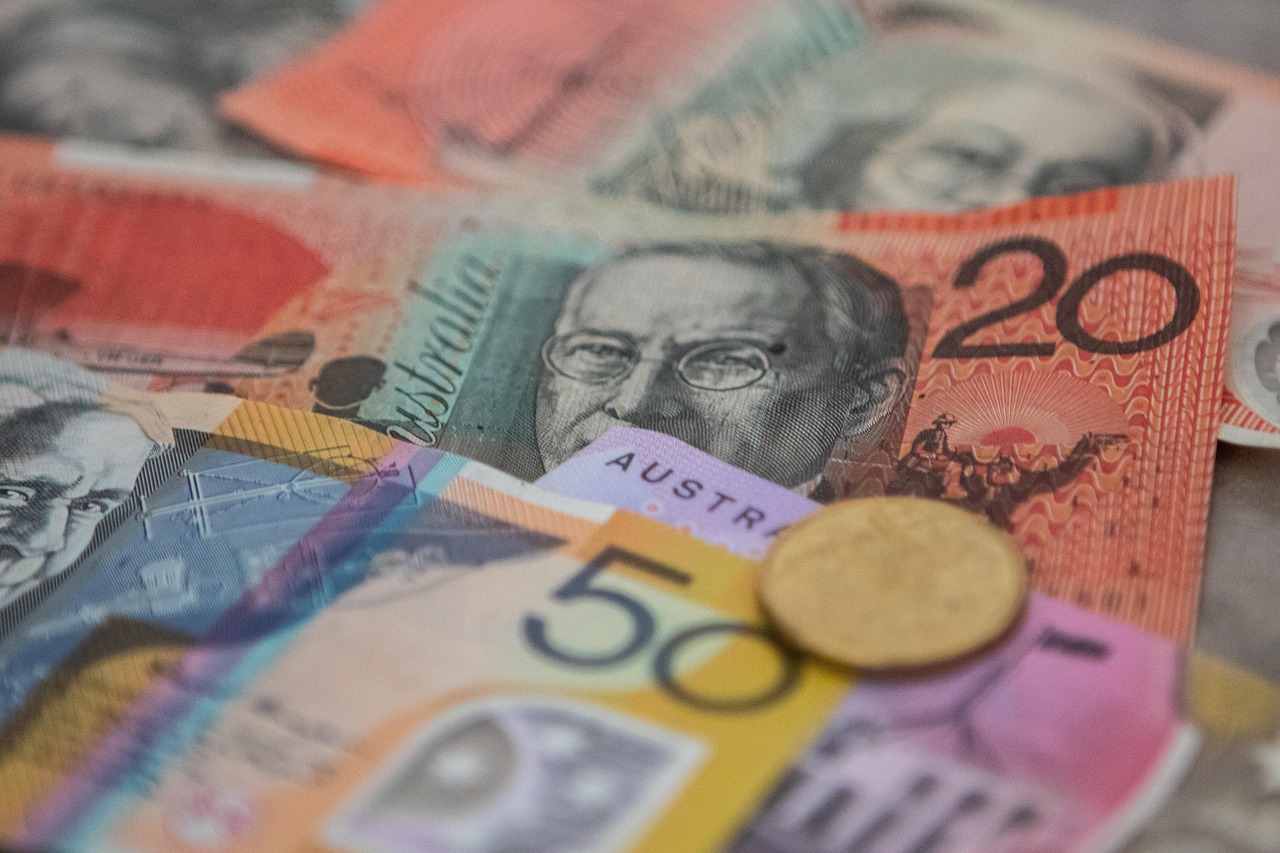
Asian currencies traded mostly flat on Monday as the U.S. dollar remained close to multi-month lows, with investors assessing Treasury bond buyback plans alongside renewed trade tensions and geopolitical risks.
The U.S. Dollar Index was little changed at 98.83 by 00:44 ET (04:44 GMT), staying near its weakest level since mid-May after falling almost 1% last week.
Pressure on the dollar followed the U.S. Treasury’s decision to at least double long-term Treasury buybacks to $4 billion per operation. The program is intended to improve bond market liquidity and ease pressure on longer-term yields.
While the announcement initially pushed Treasury yields lower, concerns about U.S. government finances remain. Federal debt has surpassed $40 trillion, while the deficit is nearing $1.8 trillion, fueling worries that heavy borrowing and increased Treasury issuance could keep long-term yields elevated.
Markets are also awaiting Nvidia’s earnings and Federal Reserve Chair Kevin Warsh’s Jackson Hole speech later this week for signals on U.S. interest rates and global risk sentiment.
The Japanese yen strengthened slightly, with USD/JPY falling 0.1% to below 159. Traders are watching Bank of Japan Deputy Governor Ryozo Himino for potential monetary policy clues.
Meanwhile, USD/CAD gained 0.2% after U.S.-Canada trade negotiations collapsed. Washington imposed 50% tariffs on $20 billion worth of Canadian goods, while Ottawa announced matching retaliatory tariffs beginning September 8.
Elsewhere, China’s yuan and India’s rupee were broadly unchanged. USD/KRW declined 0.3%, while the Singapore dollar remained steady. The Australian dollar slipped 0.1% against the greenback.
Geopolitical uncertainty also kept currency traders cautious ahead of new U.S. sanctions on Iran. Treasury Secretary Scott Bessent is expected to unveil details later Monday, with markets watching for measures targeting Iranian oil exports.
Oil prices fell more than $1 per barrel as traders took profits ahead of the announcement, although concerns over the Strait of Hormuz continued to pose risks to global energy supplies, inflation and currency markets.







