


 RBI Uses $10 Billion Currency Swaps to Drain Excess Rupee Liquidity
  Oil Prices Jump 3% as Houthi Attack Revives Supply Fears
  U.S. Dollar Hits Two-Month High as Oil, Treasury Yields Surge
  Oil Prices Ease as Iran Tensions Clash With Diplomacy Hopes
  US Stock Futures Fall as Treasury Yields Surge Ahead of Trump-Xi Summit
  Asian Stocks Fall as Surging Bond Yields Rattle Markets
  Fed Unveils Stablecoin Rules Under GENIUS Act
  Russian Envoy Dmitriev Heads to US for Ukraine Talks
  Asian Currencies Mixed as Dollar Holds Near Two-Month High
  US 10-Year Treasury Yield at 6% Emerges as New Market Risk Threshold
  South Korea, US Discuss Warship Building Cooperation
  Gold Prices Fall as Treasury Yields Rise on Fed Rate Hike Bets
  U.S. 10-Year Treasury Yield Hits 2007 High as Fed Rate Hike Bets Rise
  Wall Street Falls as Treasury Yields Surge, Oil Rebounds on Iran Tensions
  Japan Private-Sector Growth Slows as Domestic Demand Weakens
  European Stocks Fall as Bond Yields and Geopolitical Risks Weigh
  Japanese Bank Stocks Surge as Bond Yields Fuel Rate Hike Bets


 Add as a preferred source on Google
Most Asian currencies traded largely unchanged on Monday as markets adopted a cautious, risk-off stance following renewed U.S. tariff threats against Europe, even as slightly stronger-than-expected economic data from China provided limited support. Investors balanced global trade uncertainty with signs of resilience in the region’s largest economy, keeping foreign exchange movements constrained.
The U.S. dollar softened modestly during Asian trading hours, with the US Dollar Index slipping 0.2% from a seven-week high, while Dollar Index futures were down around 0.3%. The pullback reflected some profit-taking and mild risk aversion as geopolitical and trade-related headlines dominated sentiment.
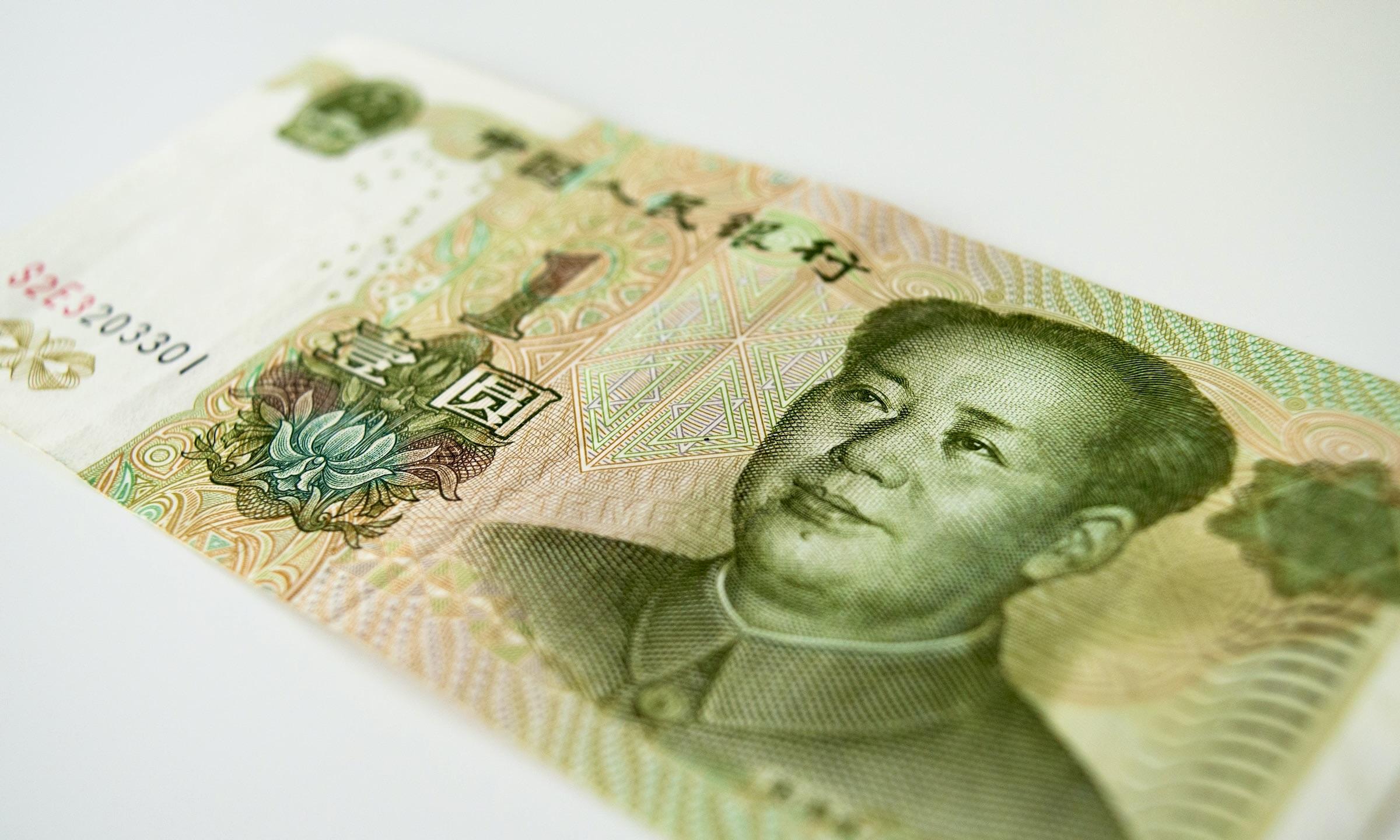
China offered a partial offset to the cautious mood after official data showed the economy grew slightly faster than expected in the fourth quarter. The growth figure allowed China to meet its official annual target of around 5%, easing concerns about a sharper slowdown despite ongoing challenges from weak domestic demand and persistent strains in the property sector. Following the data release, the Chinese yuan strengthened, with the onshore USD/CNY pair falling about 0.1% to its lowest level since May 2023, marking a roughly 32-month high for the currency.
Broader Asian foreign exchange markets, however, remained range-bound. The South Korean won edged weaker, with USD/KRW up 0.1%, while the Singapore dollar strengthened modestly as USD/SGD slipped 0.2%. The Indian rupee was little changed, reflecting stable domestic conditions and limited external triggers. The Australian dollar also saw mild gains, with AUD/USD rising around 0.1%, supported by improved regional growth sentiment.
Risk appetite deteriorated after U.S. President Donald Trump announced plans to impose new tariffs on eight European nations opposing his proposal to acquire Greenland. The proposed levies, starting at 10% from February and potentially rising to 25% by June, reignited fears of escalating transatlantic trade tensions. Reports that the European Union could revive a large tariff package against U.S. goods further weighed on global sentiment.
In this environment, the Japanese yen benefited from safe-haven demand, strengthening modestly as USD/JPY fell to a 10-day low. Political uncertainty in Japan, including speculation over a possible snap election, remained an additional factor influencing yen movements, with analysts maintaining a medium-term bias for a stronger yen depending on political outcomes.







