


 Fed Unveils Stablecoin Rules Under GENIUS Act
  Japanese Bank Stocks Surge as Bond Yields Fuel Rate Hike Bets
  US 10-Year Treasury Yield at 6% Emerges as New Market Risk Threshold
  China Agrees to Buy 20 Million Tons of U.S. Coal
  Wall Street Ends Flat as Oil, Treasury Yields and Fed Jitters Rattle Markets
  U.S. Dollar Hits Two-Month High as Oil, Treasury Yields Surge
  Germany’s 2026 Growth Outlook Strengthens on Fiscal Spending
  Oil Prices Fall on U.S.-Iran Hormuz Deal Hopes
  US Stock Futures Fall as Treasury Yields Surge Ahead of Trump-Xi Summit
  Dollar Falls as Oil Eases, Yen Jumps on Intervention Signals
  Asian Stocks Fall as Surging Bond Yields Rattle Markets
  RBI Uses $10 Billion Currency Swaps to Drain Excess Rupee Liquidity
  European Stocks Fall as Bond Yields and Geopolitical Risks Weigh
  Gold Prices Fall as Treasury Yields Rise on Fed Rate Hike Bets
  Soybean Futures Slip as Traders Await Trump-Xi Trade Signals
  Japanese Yen Rebounds as Trump Flags Currency Weakness


 Add as a preferred source on Google
Asian currencies weakened on Wednesday as markets braced for further U.S. trade tariffs and digested signals from the Reserve Bank of New Zealand (RBNZ) and Chinese inflation data.
The U.S. Dollar Index climbed 0.2% during Asian trading, strengthening the greenback across the board. Currency traders grew cautious after President Donald Trump announced steep tariff hikes, with more to come.
Earlier this week, Trump began sending tariff letters to 14 nations—nine in Asia—indicating that from August 1, imports from countries like Japan and South Korea will face 25% tariffs, while some smaller economies may see duties of up to 40%. He also pledged 50% tariffs on copper and warned of upcoming levies on semiconductors and pharmaceuticals.
Trump said he would release the names of seven more countries targeted for trade actions on Wednesday, escalating concerns across foreign exchange markets.
In response, regional currencies posted broad losses. The South Korean won fell 0.4% against the dollar, while the Japanese yen and Singapore dollar slipped 0.2%. The Indian rupee edged down 0.1%, and the Thai baht and Indonesian rupiah lost 0.4% and 0.5%, respectively.
The Australian dollar retreated 0.2%, reversing prior gains after the Reserve Bank of Australia left interest rates unchanged in a surprise hold.
The New Zealand dollar dropped 0.3% as the RBNZ kept rates steady but hinted at possible cuts if inflation continues easing.
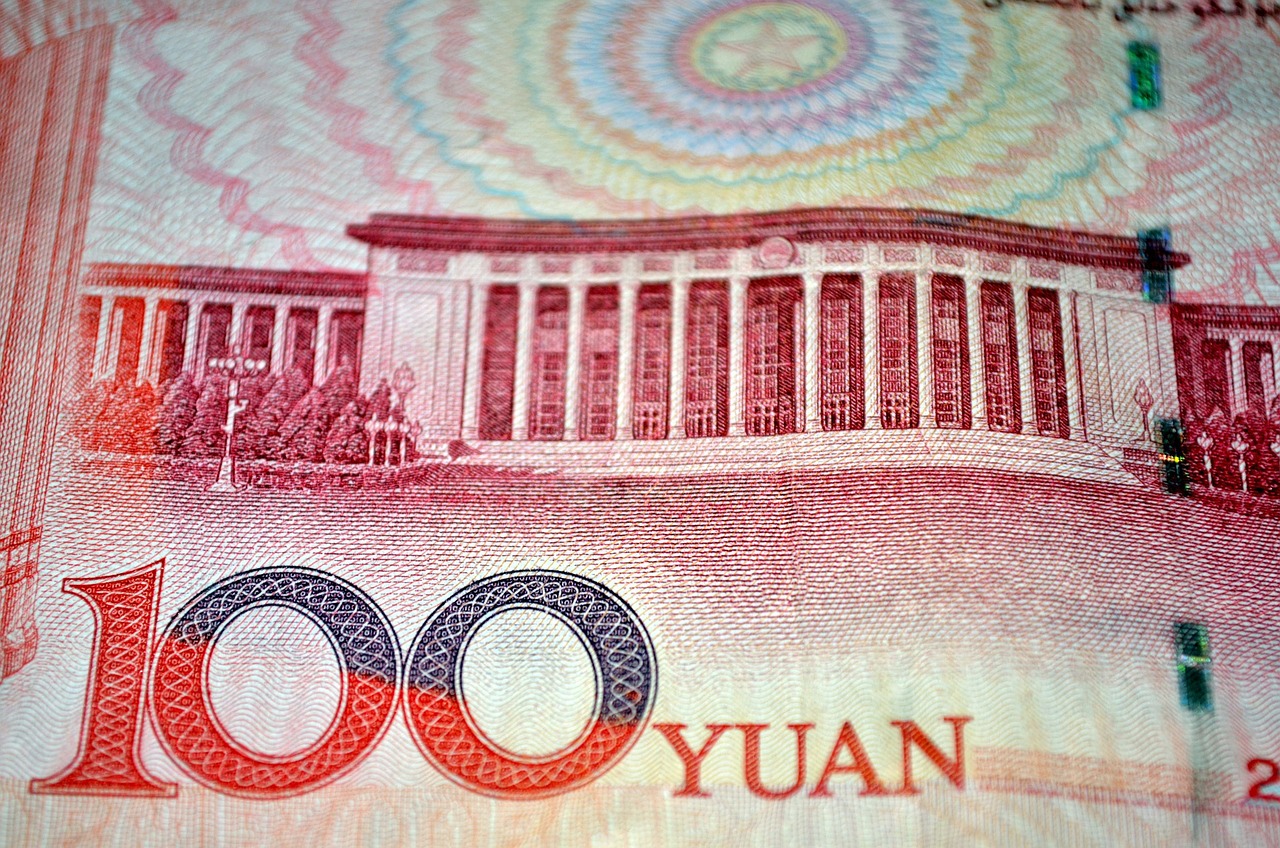
Meanwhile, China’s yuan dipped 0.1% as June CPI showed a slight uptick, supported by government subsidies and improving consumer sentiment amid cooling trade tensions.
With heightened trade uncertainty and diverging central bank stances, investors remain on edge across Asia’s currency markets.







