


 Oil Prices Ease as Iran Tensions Clash With Diplomacy Hopes
  Mexico-US Trade Talks Delayed to October as Tariff Negotiations Continue
  Asian Stocks Fall as Surging Bond Yields Rattle Markets
  Wall Street Ends Flat as Oil, Treasury Yields and Fed Jitters Rattle Markets
  U.S. Dollar Hits Two-Month High as Oil, Treasury Yields Surge
  Australia Unemployment Hits Five-Year High Despite Strong Jobs Growth
  U.S. 10-Year Treasury Yield Hits 2007 High as Fed Rate Hike Bets Rise
  Trump, Xi Focus on Trade and AI at White House Summit
  Asian Stocks Fall as Bond Yields Surge Ahead of Trump-Xi Summit
  US Stock Futures Fall as Treasury Yields Surge Ahead of Trump-Xi Summit
  Japan Private-Sector Growth Slows as Domestic Demand Weakens
  Gold Holds Near $4,275 as Rising Treasury Yields Fuel Fed Rate Hike Bets
  Soybean Futures Slip as Traders Await Trump-Xi Trade Signals
  South Korea, US Discuss Warship Building Cooperation
  US, China Extend Trade Truce to Jan. 10 Ahead of Trump-Xi Summit
  RBI Uses $10 Billion Currency Swaps to Drain Excess Rupee Liquidity
  U.S. Treasury Yields Surge as 30-Year Hits 22-Year High


 Add as a preferred source on Google
Asian currencies traded within a narrow range on Tuesday as rising oil prices, fueled by ongoing U.S.-Israel military operations against Iran, dampened investor risk appetite across the region. Most major currency pairs saw minimal movement as traders remained cautious amid geopolitical uncertainty.
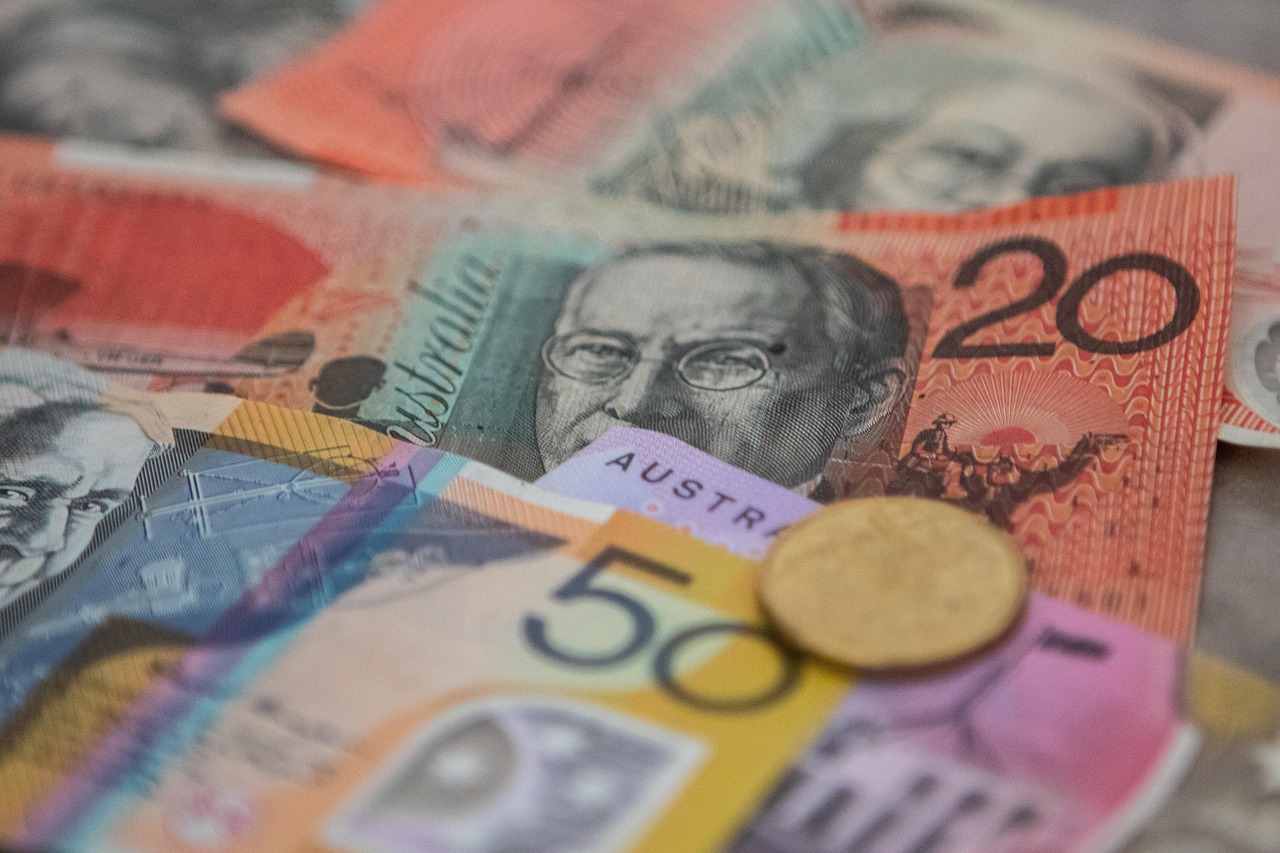
The Australian dollar edged higher by 0.2%, outperforming its regional counterparts ahead of an anticipated interest rate decision by the Reserve Bank of Australia. Markets widely expected the RBA to raise its benchmark rate by 25 basis points to 4.10%, supported by a series of hawkish signals from the central bank in recent weeks. The move is seen as a preemptive measure against energy-driven inflation tied to the ongoing Iran conflict, with another rate hike projected for May.
Global attention is also focused on the U.S. Federal Reserve, which is scheduled to announce its rate decision on Wednesday. Meanwhile, the U.S. dollar index climbed modestly during Asian trading hours after retreating from near 10-month highs in the previous session.
The Japanese yen recovered slightly, with the USD/JPY pair gaining 0.2%, though it remained well off a recent 19-month peak. Japanese Finance Minister Satsuki Katayama reiterated Tokyo's readiness to intervene in currency markets if volatility escalates. The Bank of Japan, also meeting this week, is expected to hold rates steady while signaling a more hawkish policy stance. Governor Kazuo Ueda noted that underlying inflation continues to move toward the BOJ's 2% annual target.
Across broader Asian markets, currency movements were mixed. The Chinese yuan strengthened modestly following a firmer central bank fixing, while the Singapore dollar slipped after weak trade data. The South Korean won declined, the Taiwan dollar gained slightly, and the Indian rupee edged lower against the dollar, staying below recent record lows amid suspected RBI intervention.
Surging oil prices remain the dominant concern for Asian economies, most of which depend heavily on energy imports. Iran's continued blockade of the Strait of Hormuz and retaliatory strikes on U.S. and Israeli assets in the region have kept supply disruption fears elevated, adding further pressure on regional currencies and economic outlooks.







