


 NASA, Boeing Discuss Expanding Starliner Missions
  SpaceX Nasdaq 100 Weight to More Than Double in Rebalance
  Rosenblatt Starts Nokia at Buy on AI Networking Growth
  Qualcomm Gains on $60B Amazon AI Chip Deal
  SK Hynix, Intel Discuss U.S. Memory Chip Production Deal
  Japan, U.S. Discuss $19 Billion GlobalFoundries Chip Plant
  Scott Bessent Eyed as Trump’s New AI Czar
  China Reviews Broadcom Switch Use in State Data Centres
  Nike Earnings at Risk as UBS Cuts Price Target to $42
  Goldman Sachs Names Simon Lyons UK Investment Banking Co-Head
  OpenAI Urges US-Led Global Standards for Frontier AI
  Hyundai CEO Warns Chinese Automakers Could Disrupt US Market
  Apple Pay Set for India Launch With Axis Bank
  FAA Allows Boeing to Sell 35 More 777F Freighters Beyond 2028
  China Vanke Shares Jump as Beijing Moves to Ease Debt Pressure
  Paramount Skydance Faces $30 Million Film Penalty in Warner Bros. Deal
  MediaTek Unveils 2nm Dimensity 9600 Pro AI Chip


 Add as a preferred source on Google
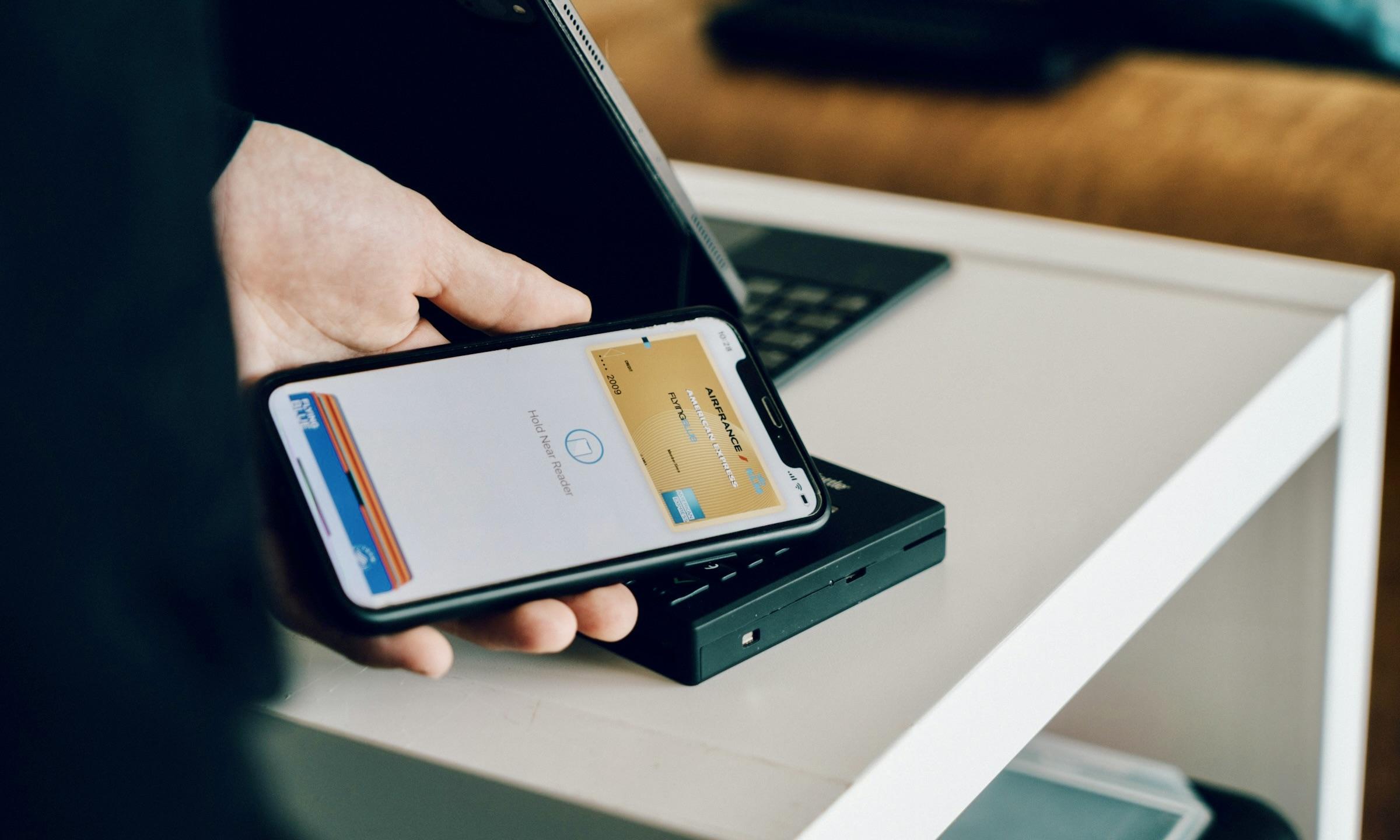
With the release of iOS 18.1, Apple is allowing third-party apps to integrate tap-to-pay features, significantly expanding the use of NFC technology. This update provides developers with new tools to create seamless in-app payment experiences.
Apple’s iOS 18.1 Opens Tap-to-Pay to Third Parties
Beginning with iOS 18.1, Apple will allow developers to enable in-app NFC transactions by utilizing the Secure Element.
Additionally, as part of the update, you will have the ability to designate a default contactless payment app that will be accessible when you double-click the side button on your iPhone, The Verge shares.
In the past, Apple Pay was only able to be displayed when the button in question was double-clicked.
NFC Now Available for More Than Just Tag Scanning
As a result of this modification, developers will have the ability to provide in-app contactless transactions for a wide range of applications. These transactions will include "in-store payments, car keys, closed-loop transit, corporate badges, student IDs, home keys, hotel keys, merchant loyalty and rewards cards, and event tickets." NFC access for third-party applications has, up to this point, been restricted to the scanning of tags.
In the press release issued by Apple, it is stated that support for government IDs will be available "in the future."
A future developer beta for iOS 18.1 will make the essential application programming interfaces (APIs) available to developers in the United States of America, Australia, Brazil, Canada, Japan, New Zealand, and the United Kingdom.
Developers Face Requirements to Access Apple’s NFC Tech
Apple also adds that "additional locations to follow" will be included in the test. However, in order to make use of Apple's application programming interfaces (APIs), developers will be required to "enter into a commercial agreement with Apple, request the NFC and SE entitlement, and pay the associated fees."
This change comes after Apple made an offer to open iPhone NFC payments to third-party suppliers in response to an antitrust inquiry conducted by the European European Commission.
The European Commission made the announcement that it had made Apple's commitments legally obligatory over the course of the previous month.







