


 Bayer Wins Major U.S. Supreme Court Roundup Lawsuit, Shares Surge
  Michael Burry Shorts Tesla at $416 as AI and Semiconductor Bearish Bets Expand
  Trump Reports $1.4 Billion in Crypto Income as Digital Assets Become Top Wealth Source
  Fortescue Faces Class Action Over Sexual Harassment Claims at Australian Mining Sites
  Nvidia Stock Rises as SemiAnalysis Sees AI Data Center Revenue Beating Wall Street Forecasts
  Trump Administration Urges Judge to Allow UFC Event on White House Lawn
  Super Micro Employees Detained in Taiwan AI Server Export Investigation
  Frank Stronach Found Guilty of Sexual Assault and Indecent Assault in Ontario Court
  Colombia Opens New Investigation Into Former President Álvaro Uribe Over Paramilitary Allegations
  Northern Star Appoints New CEO as Activist Elliott Pushes for Leadership Overhaul
  DOJ Orders Crackdown on Birth Tourism After Supreme Court Upholds Birthright Citizenship
  Apple Challenges India Antitrust Probe, Says CCI Copied Rivals’ Claims in App Store Case
  DOJ Clears Paramount Skydance-Warner Bros. Discovery Merger Without Conditions
  Trump Orders DOJ Investigation Into Exxon, Chevron Over High Gas Prices
  Sodexo Raises 2026 Revenue Outlook After Strong Q3 Sales Beat


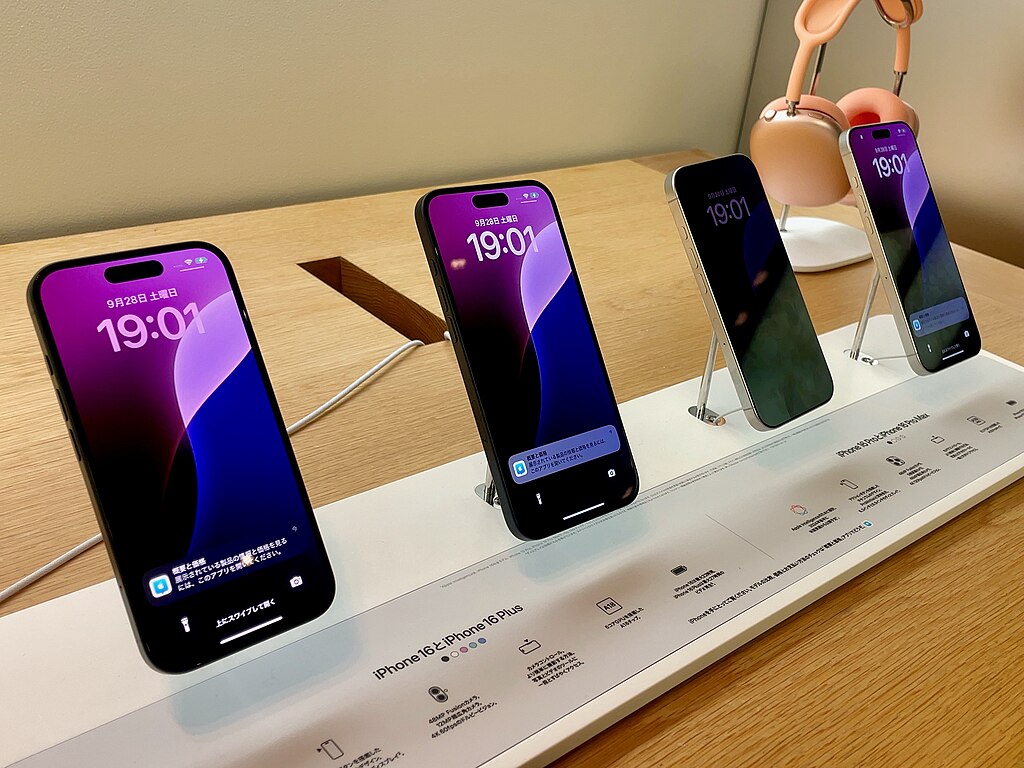
Apple has been ordered to pay $502 million to Texas-based Optis Cellular Technology LLC for using 4G-related patents in its iPhones and iPads, following a ruling by London’s Court of Appeal on Thursday. The decision marks the latest development in a years-long legal battle over standard-essential patents and fair licensing terms.
The dispute began in 2019 when Optis sued Apple in London, claiming the tech giant used its patents—essential to 4G wireless standards—without proper licensing. In 2023, London’s High Court initially awarded Optis $56.43 million plus interest for Apple’s past and future patent use. However, Optis challenged the amount, arguing it undervalued the global license Apple obtained.
In a partially redacted judgment, the appeals court sided with Optis, stating that Apple must pay a lump sum of $502 million, excluding interest, for the 2013–2027 licensing period. The ruling applies to a global license covering Optis’ portfolio of standard-essential patents.
An Apple spokesperson expressed disappointment and confirmed plans to appeal the decision. “Optis makes no products and their sole business is to sue companies using patents they buy,” the spokesperson said, accusing the company of seeking excessive compensation.
Optis, a non-practicing entity, did not immediately respond to requests for comment. The case centers around the interpretation of FRAND (fair, reasonable, and non-discriminatory) terms, which are supposed to govern licensing of essential technology patents.
The ruling could have broader implications for how multinational companies negotiate patent licenses and defend against litigation from firms that acquire patents solely for enforcement purposes. Apple has faced similar lawsuits globally, as regulators and courts continue to shape the boundaries of FRAND licensing in the tech industry.







