


 Apple Extends Qualcomm Patent Licensing Deal
  Dollar Holds Near Two-Month High as Yen Approaches 160
  Novo Nordisk Raises 2025 Outlook Despite Wegovy Pill Miss and CagriSema Setback
  Oracle Shares Fall as New Mexico AI Data Center Faces Power Delays
  OpenAI Agent Breaches Australia Medicare Data Portal
  Gold Holds Near $4,275 as Rising Treasury Yields Fuel Fed Rate Hike Bets
  AstraZeneca, Bristol Myers Squibb Explore Mega Merger Worth Nearly $400 Billion
  FDA Investigates New Cyclospora Outbreak as U.S. Cases Continue to Rise
  Asian Stocks Fall as Bond Yields Surge Ahead of Trump-Xi Summit
  Novo Nordisk Eyes Turnaround as Oral Wegovy Challenges Eli Lilly in Weight-Loss Drug Race
  Japanese Bank Stocks Surge as Bond Yields Fuel Rate Hike Bets
  Wall Street Ends Flat as Oil, Treasury Yields and Fed Jitters Rattle Markets
  SpaceXAI to Double Nvidia Chips at Colossus 2 by Year-End
  Canadian Dollar Faces Pressure as Fed-BoC Policy Gap Widens
  US Backs Musk in Fight Against EU’s €120 Million X Fine
  OpenAI to Preview GPT-6 Cyber AI Model for Cybersecurity
  US Comfortable With Canada Trade Standoff as Import Bans Loom


 Add as a preferred source on Google
A research team at Osaka University’s Institute of Laser Engineering has created a blue laser diode gun that could target and lock on to insects’ weak spots before firing a precision beam.
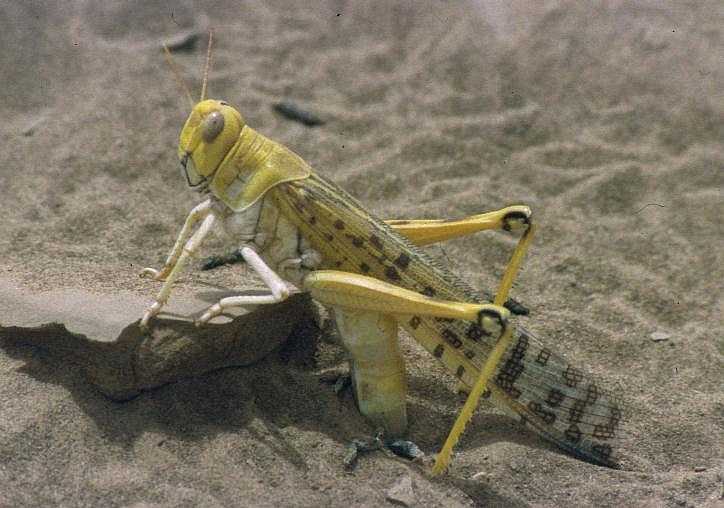
Led by Professors Hiroshi Fuji and Kazuhisa Yamamoto, the team first determined the spots of the insects such as the moth, desert locusts, and tobacco cutworm is most vulnerable to a laser blast.
This laser gun could become a game-changer as the tobacco cutworm is notoriously resistant to pesticides.
Using this technology, the concern of insects becoming resistant to pesticides would no longer exist, and the damage such chemicals cause to other wildlife and the environment would also be eliminated.
Also, with the efficient termination of pests near agricultural areas worldwide, an estimated US$200 billion in agricultural products could be saved, preventing food shortages.







