


 SK Hynix, Intel Discuss U.S. Memory Chip Production Deal
  DOJ Will Investigate AI-Related Crimes, Attorney General Blanche Says
  Who should own the knowledge that underpins AI technology?
  AI is supercharging money scams – here’s what you can do to protect yourself
  Scott Bessent Eyed as Trump’s New AI Czar
  Rosenblatt Starts Nokia at Buy on AI Networking Growth
  Westinghouse Targets $50 Billion Valuation in U.S. IPO
  Apple Pay Set for India Launch With Axis Bank
  Meta Partners With Shopify to Bring Shop Pay Checkout to Muse AI
  Burnham Eyes UK Leadership Role in AI Ahead of Trump Meeting
  SpaceX Nasdaq 100 Weight to More Than Double in Rebalance
  US Federal Register Drops Alibaba Qwen AI Search Tool
  Nvidia CEO Jensen Huang Expected at Trump-Xi State Dinner
  Big AI wants to slow down AI research. Is it a safety pause or a strategic retreat?
  Databricks to Invest $350 Million in Singapore AI Expansion
  France Urges Faster AI Push Despite Safety Risks
  SoftBank Launches $11 Billion Bond Sale to Fund OpenAI Investment


 Add as a preferred source on Google
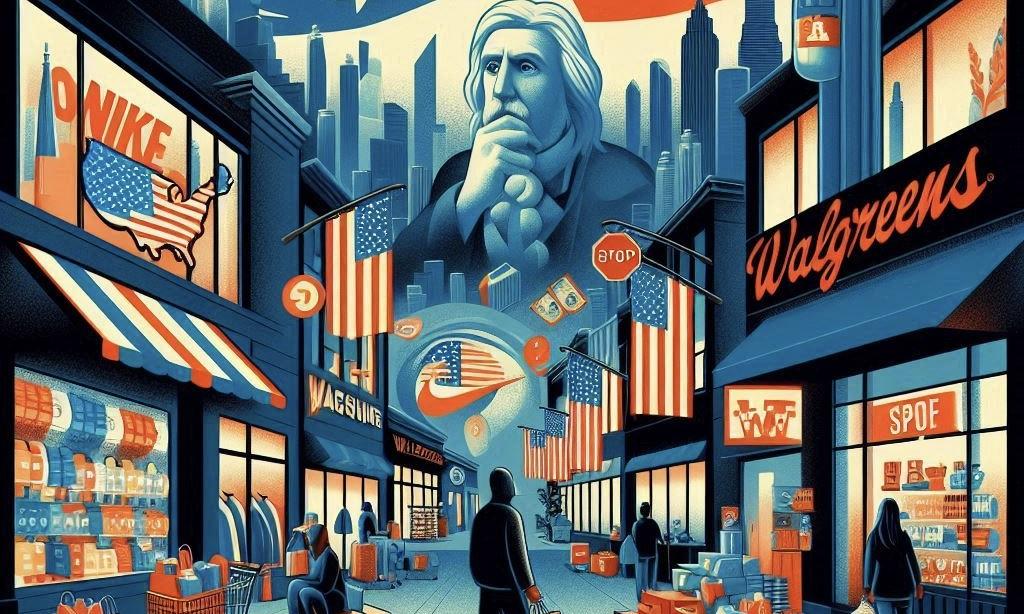
Americans' spending patterns are flashing a warning of a possible consumer-led recession. People aren't spending like they used to, forcing companies like Nike and Walgreens to make drastic changes.
US Consumers Shift Spending to Experiences as Rising Prices Impact Household Budgets and Retail Sales
This summer, consumers in the United States are caught in an unusual situation.
According to Business Insider, people continue spending money; however, there is an uncomfortable realization that each dollar's value has diminished due to years of price increases.
In the past year, US consumers have been reducing their purchases of physical products while still investing in experiences such as travel and dining.
Even though prices have slowed mainly from their pandemic-era increases, they are still up by approximately 20% from 2020 and are unlikely to decrease.
This is significantly impacting household budgets.
According to Bloomberg, Joseph Lewis, 33, has been exploring methods to safeguard the financial cushion his family accumulated in 2021.
"We're in a space where we have to be financially creative in terms of really figuring out what it is you can do without and even what it is that you can perhaps do on your own," Lewis said.
Presently, retail brands are experiencing the consequences of this gradual downward trend. Nike and Walgreens reported earnings this week that were hindered by declining sales.
Economic Experts Warn of Consumer-Led Recession as US Spending Patterns Show Signs of Weakness
According to economic experts (via Yahoo Finance), the stimulus-fueled purchasing spree in the United States is nearing its conclusion, and the decrease in spending may indicate the impending onset of a consumer-led recession.
After a prolonged period of robust spending that has sustained economic growth over the past few years, consumers are now beginning to reduce their spending patterns, which could impact the economy. According to United States Census Bureau data, retail expenditure increased by 0.1% in May, but sales volume decreased by 1.3% year-over-year in the past three months.
According to economist David Rosenberg, this represents a substantial indication that the long-awaited consumer recession is imminent, as it contributes to a 4% decrease in retail sales during the first quarter.
"The weakness in the consumer can now be considered a 'trend' ... "The 'build in' for Q2 real retail sales is now negative, coming on the heels of a -4.4% annualized decline in Q1," he said in a note to clients this week. "Early signs of a consumer recession finally coming to the fore."
The cumulative effects of inflation and a cooling employment market make shoppers less inclined to open their wallets.
According to a recent survey conducted by McKinsey, consumer sentiment has deteriorated due to the sluggish recruiting activity and the increased cost of living. The consulting firm's survey revealed that 55% of respondents had "mixed" or "pessimistic" sentiments regarding the economy in the second quarter.
"In general, consumer attitudes remain depressed relative to pre-pandemic — likely a function of lingering angst over inflation and interest rates," Deutsche Bank strategists said in a recent note. "Though the labor market appears strong on the surface, consumers' confidence around the labor outlook has begun to slip and suggests a potential pick up in the unemployment rate."
Consumers' financial situation, particularly those in lower—to middle-income households, is also worse than it was last year. According to Federal Reserve data, the delinquency rate on credit card loans has reached its most significant point in 13 years.
Meanwhile, the McKinsey survey revealed that 76% of consumers reported engaging in a "trade-down" in the first quarter, which involved transferring to a less expensive brand or looking for lower prices.
Photo: Microsoft Bing







