


 Microsoft Eyes $7B Texas Energy Deal to Power AI Data Centers
  U.S. Disrupts Russian Military Hackers' Global DNS Hijacking Network
  MATCH Act Targets ASML and Chinese Chipmakers in New U.S. Export Crackdown
  Samsung Electronics Eyes Record Q1 Profit Amid AI-Driven Chip Boom
  Australia's Social Media Ban for Under-16s Sparks Global Movement
  SpaceX Eyes Historic IPO at $1.75 Trillion Valuation
  NASA Artemis II: First Crewed Moon Mission Since Apollo Takes Four Astronauts on 10-Day Lunar Journey
  Apple's Foldable iPhone Faces Engineering Setbacks, Mass Production Timeline at Risk
  Cybersecurity Stocks Tumble After Anthropic's Claude Mythos AI Leak Sparks Market Fears
  Microsoft's $10 Billion Japan Investment: AI Infrastructure and Data Sovereignty Push
  China's AI Stocks Surge as Zhipu and MiniMax Hit Record Highs
  Apple Turns 50: From Garage Startup to AI Crossroads
  Annie Altman Amends Sexual Abuse Lawsuit Against OpenAI CEO Sam Altman
  NASA's Artemis II Mission: First Crewed Lunar Journey Since Apollo
  Britain Courts Anthropic Amid US Defense Department Dispute
  California's AI Executive Order Pushes Responsible Tech Use in State Contracts


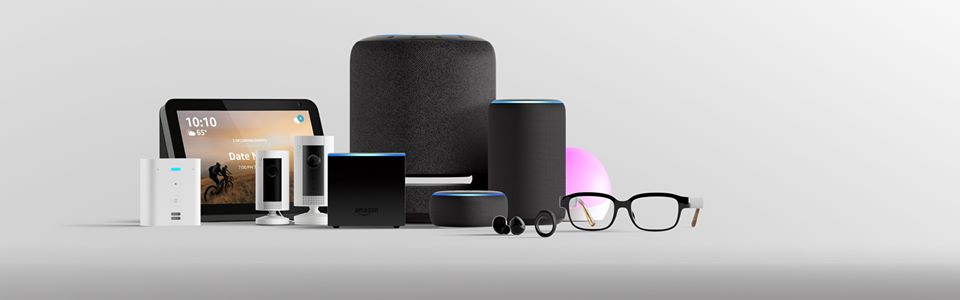
Amazon, Apple, and Google are fierce competitors in the smart home products market. Each company has been scrambling for market share in the niche with their respective smart products, personal assistant options such as Siri and Alexa, and their home-systems.
At the moment, each of these brands has its own set of solutions on how to make a modern homeowner’s life a bit easier. But the problem starts when consumers try to mix different products and home systems.
But it’s still a bit surprising to learn that Amazon, Apple, and Google, have now banded together to solve this issue. Along with communications protocol expert Zigbee Alliance, they want to create a system where smart home devices of different brands can communicate seamlessly with each other.
When the stakes are high, cooperation makes sense. This is the case of the smart home devices market, which is projected to explode in the coming years.
American market intelligence and advisory firm International Data Corporation (IDC) projected that the market for smart home devices would grow by 23.5% year over year this year in 2019, CNBC reported. Based on this estimate, 815 million such devices would have been shipped by the end of this year.
Four years later, the number of smart home devices being sold will reach a staggering 1.39 billion. Understandably, the big three brand wants all these more than a billion devices to understand each other. Otherwise, it will be one giant mess, which could eventually affect sales as customers might start questioning if buying these devices is worth their complexity.
Thus, the three competitors are becoming allies for once to try to come up with a standard to be used by the devices. The standard is now called Project Connected Home over IP and it comes with a logo that will be placed on the boxes of the devices so buyers will know right away if it supports this standard or not.
“The project is built around a shared belief that smart home devices should be secure, reliable, and seamless to use,” the group said in a statement. “By building upon Internet Protocol (IP), the project aims to enable communication across smart home devices, mobile apps, and cloud services and to define a specific set of IP-based networking technologies for device certification.”
Currently, the group is still creating the draft that will contain the guidelines of this new connectivity protocol. It is still unclear when the first “Project Connected Home over IP” product might arrive in the market.







