


 Nvidia, ByteDance, and the U.S.-China AI Chip Standoff Over H200 Exports
  Baidu Approves $5 Billion Share Buyback and Plans First-Ever Dividend in 2026
  Toyota’s Surprise CEO Change Signals Strategic Shift Amid Global Auto Turmoil
  Global PC Makers Eye Chinese Memory Chip Suppliers Amid Ongoing Supply Crunch
  SoftBank and Intel Partner to Develop Next-Generation Memory Chips for AI Data Centers
  TrumpRx Website Launches to Offer Discounted Prescription Drugs for Cash-Paying Americans
  American Airlines CEO to Meet Pilots Union Amid Storm Response and Financial Concerns
  SpaceX Pushes for Early Stock Index Inclusion Ahead of Potential Record-Breaking IPO
  Jensen Huang Urges Taiwan Suppliers to Boost AI Chip Production Amid Surging Demand
  Weight-Loss Drug Ads Take Over the Super Bowl as Pharma Embraces Direct-to-Consumer Marketing
  Sony Q3 Profit Jumps on Gaming and Image Sensors, Full-Year Outlook Raised
  SoftBank Shares Slide After Arm Earnings Miss Fuels Tech Stock Sell-Off
  Nvidia CEO Jensen Huang Says AI Investment Boom Is Just Beginning as NVDA Shares Surge
  Instagram Outage Disrupts Thousands of U.S. Users
  Uber Ordered to Pay $8.5 Million in Bellwether Sexual Assault Lawsuit
  Palantir Stock Jumps After Strong Q4 Earnings Beat and Upbeat 2026 Revenue Forecast


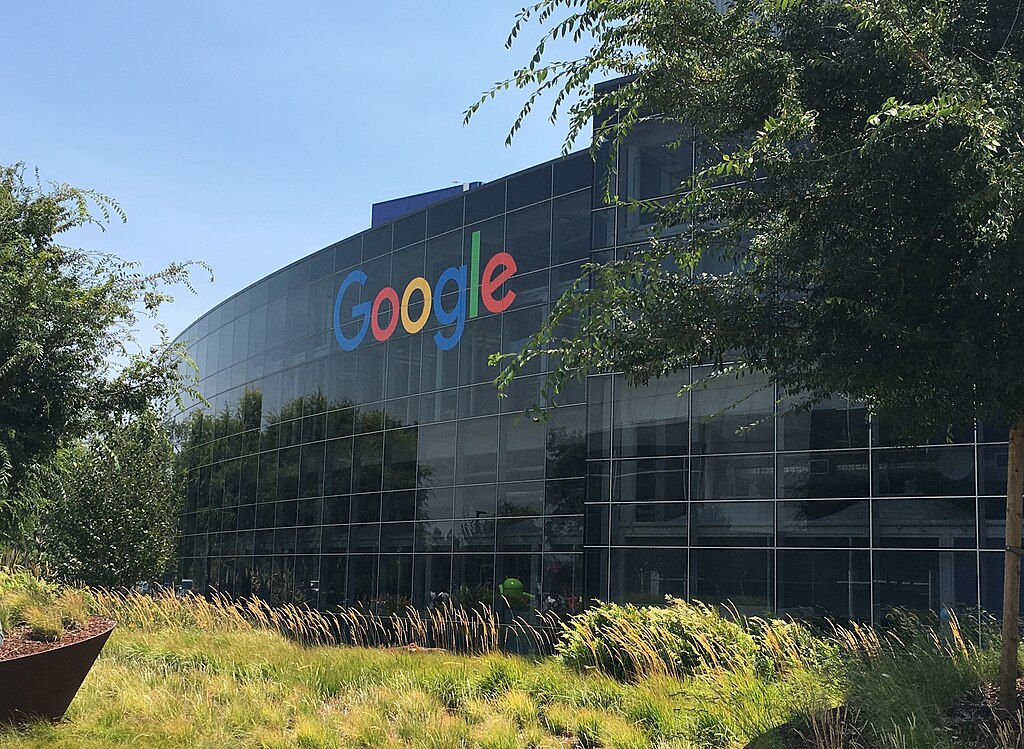
Alphabet Inc. is preparing to separate its life sciences subsidiary, Verily, in what could lead to a full sale or spinoff, according to recent testimony in a federal antitrust trial against Google. The move, revealed in court by Heather Adkins, Google’s Vice President of Security Engineering, marks the first public confirmation that Alphabet intends to divest Verily from its corporate structure.
Speaking in a Virginia courtroom, Adkins explained that Verily has been transitioning its operations from Google’s internal infrastructure to Google Cloud Platform for more than two years. This effort aims to make Verily technologically independent, a crucial step for any potential sale or spinoff. “We are in the process of helping them become an independent company,” Adkins stated. “The idea is to have it no longer be an Alphabet entity.”
Verily, launched as part of Alphabet’s push into health sciences, focuses on developing digital health solutions, data-driven research tools, and technologies that improve patient care. While Alphabet has previously worked to reduce Verily’s reliance on Google systems, Thursday’s testimony represents the clearest signal yet that Alphabet is preparing to cut ties with the unit.
The separation comes as Alphabet faces increased scrutiny over its dominance in digital advertising. The Justice Department’s case against Google centers on alleged monopolistic practices, and Adkins’ testimony offered a rare glimpse into Alphabet’s broader restructuring plans.
If Verily is spun off or sold, the move could reshape Alphabet’s portfolio by narrowing its focus on core businesses such as Google Search, YouTube, and cloud services, while positioning Verily to attract independent investors and partnerships in the rapidly growing health technology sector.
The potential spinoff underscores Alphabet’s evolving strategy of streamlining its business while allowing innovative subsidiaries like Verily to pursue independent growth paths in competitive industries.













