


 Judge Rejects Minnesota Bid to Force ICE Agent Extradition
  Judge Orders Trump to Restore White House Access for CNN, MS NOW and Politico
  US, China Extend Trade Truce to Jan. 10 Ahead of Trump-Xi Summit
  North Korea Rejects Nuclear Test Warning, Calls Nuclear Status Irreversible
  NATO Boosts Intelligence Sharing Amid Russia Hybrid Threats
  Abbas Reaffirms November 28 Palestinian Elections
  US Invites Putin to Miami G20, Opening Door to Trump Summit
  LVMH-Hermès Dispute Deepens Over Secret 2002 Share Deal
  Maduro Seeks Dismissal of US Drug Trafficking Charges
  Kremlin Says No Decision Yet on Putin-Trump December Summit
  Trump Asks Supreme Court to Restore Third-Country Deportations
  CNN, MS NOW and Politico Sue Trump Over White House Media Ban
  US Senate Rejects Iran War Powers Resolution in 50-49 Vote
  Brazil Court Suspends Sigma Lithium Mine Operations
  France Defends Netanyahu Airspace Clearance Despite ICC Warrant
  North Korea Warns South Korea Over US-Led Defense Role
  Gaza Faces Evacuation Crisis as War-Damaged Buildings Risk Collapse


 Add as a preferred source on Google
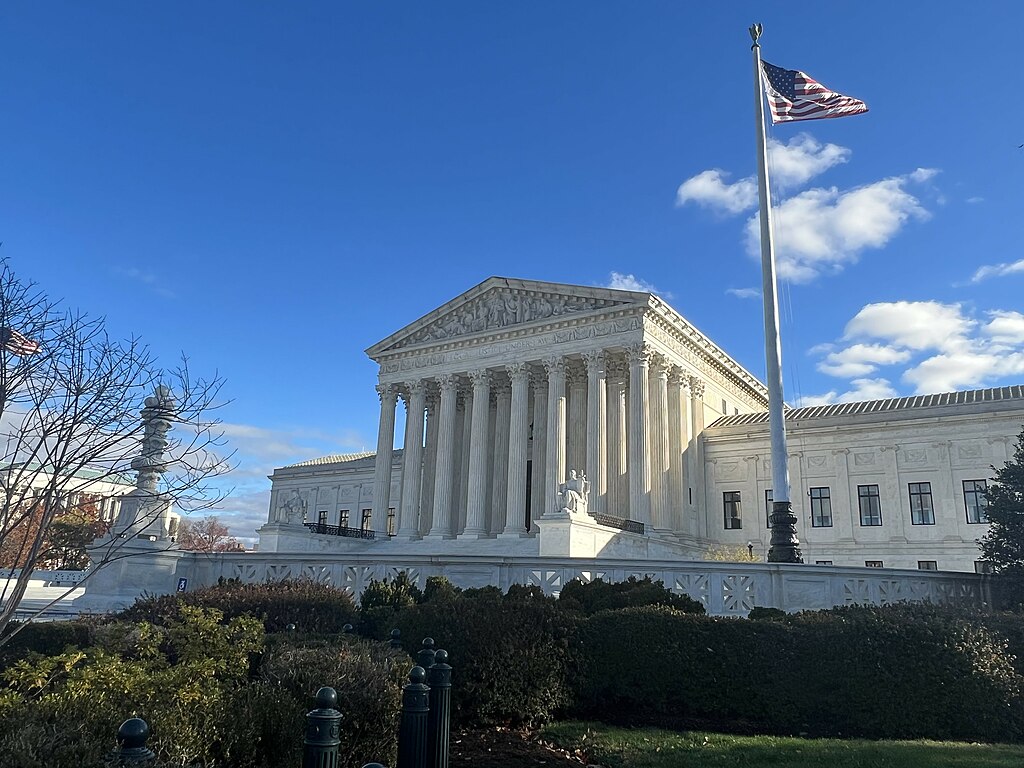
U.S. Supreme Court Justice Samuel Alito has strongly criticized the Court’s recent emergency ruling that temporarily halted the Trump administration from deporting a group of Venezuelan migrants. The decision, issued early Saturday morning during a holiday weekend, blocked the use of the Alien Enemies Act of 1798—a rarely invoked wartime law—to remove the migrants, whom the administration claims are gang members.
Alito, joined by Justice Clarence Thomas, released a five-page dissent late Saturday night, calling the ruling “unprecedented and legally questionable.” He condemned the Court for acting without hearing from both parties or allowing lower courts to weigh in, accusing it of issuing relief “literally in the middle of the night” with “dubious factual support.”
The unsigned majority ruling directed the government to suspend deportations of the migrants until further notice. The American Civil Liberties Union (ACLU), which filed the emergency request, argued that the migrants—many detained at the Bluebonnet Detention Facility in Texas—were denied judicial review, violating a prior Supreme Court decision.
The Trump administration, which has already deported over 200 Venezuelan and Salvadoran men—allegedly tied to the Tren de Aragua gang—to a high-security prison in El Salvador, has not yet indicated it will challenge the Court’s decision, avoiding an immediate constitutional showdown.
Family members and legal advocates for the migrants claim many are not gang members and were never given a fair opportunity to contest the accusations. President Trump, who was elected on promises to intensify immigration enforcement, maintains that executive power grants broad authority over such actions. However, critics point out the administration has offered limited evidence linking the migrants to organized crime.
This case highlights growing tensions over immigration, executive authority, and due process in the U.S. judicial system.







