


 Trump Administration Removes Confederate Memorial Criticism From Arlington Website
  Airbus Finds A321neo Fuselage Quality Issue
  Ukrainian Drone Attacks Hit Russian Regions, Injuring at Least 12
  Appeals Court Rejects Trump Third-Country Deportation Policy
  China Tightens Fentanyl Rules Ahead of Trump-Xi Summit
  Taiwan Thanks US for Support Ahead of Trump-Xi Summit
  Xi Calls for Deeper U.S.-China AI Cooperation in Trump Talks
  White House Bars CNN, MS NOW and Politico Reporters
  Saudi Arabia Shuts East-West Oil Pipeline After Drone Attack
  Saudi Arabia, Turkey and Pakistan Plan Urgent Defence Talks Over Houthi Attacks
  Netanyahu Defends Israel at UN as Delegates Stage Walkout
  BMW 2028 Margin Target Could Fall Below Consensus, UBS Says
  H&M Q3 Profit Beats Estimates as Margins Improve
  Trump, Xi Visit US National Archives After White House Summit
  Akamai Shares Surge on $11.6B Anthropic AI Cloud Deal
  Meta Unveils Muse Charm AI Device, Expands Smart Glasses Lineup
  South Korea, US Discuss Warship Building Cooperation


 Add as a preferred source on Google
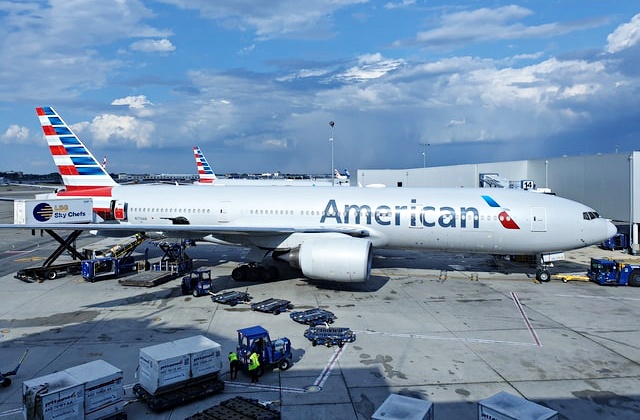
Major U.S. airlines and aerospace giants are opposing proposed legislation aimed at reducing credit card swipe fees, warning it could dismantle travel rewards programs and impact tourism. In a letter to U.S. senators, American Airlines, United, Southwest, and industry players like Boeing, Airbus, GE Aerospace, and RTX expressed concern over the bipartisan bill introduced by Senators Dick Durbin and Roger Marshall. Aviation unions also signed the letter, citing potential damage to the $20 billion airline loyalty ecosystem.
The legislation seeks to reduce fees charged by Visa and Mastercard, which currently generate over $100 billion annually from merchants. Durbin claims the bill could save merchants and consumers $15 billion per year. However, airlines argue that similar debit card fee reforms in 2010 nearly wiped out rewards debit cards, and fear a similar fate for credit card perks.
Airlines depend heavily on branded credit card partnerships for revenue. In 2023, over 31 million Americans held airline-branded credit cards, contributing 57% of frequent flyer miles issued. Nearly 16 million domestic trips were redeemed using rewards points last year. During the COVID-19 pandemic, loyalty programs helped airlines stay afloat, with Delta, United, and American each valuing theirs at over $20 billion.
Durbin previously criticized airlines as “credit card companies that own planes,” while the industry counters that eliminating rewards will reduce air travel and harm tourism. The bill, defeated in 2023, may resurface as part of broader cryptocurrency legislation now under review.
Meanwhile, the Biden administration has launched inquiries into major carriers to examine potential deceptive or anticompetitive practices related to fees and consumer protections.
The bill remains controversial, with lawmakers and industry stakeholders divided over its broader economic implications.







