


 Iran’s Khamenei Urges Muslim, Gulf Unity Against ‘Real Enemy’
  Nepal Declines Foreign Rescue Aid After Deadly Flash Flood
  Iran Targets U.S. Forces in Jordan as Missiles Intercepted
  Trump Posts AI Video of Iran’s Kharg Island Exploding as Tensions Surge
  Mojtaba Khamenei’s Absence Fuels Iran Leadership Doubts
  Finland’s Stubb Says Russia Unlikely to Attack NATO
  ICE Awards $16.7M Contract for Electric Shock Gloves
  US Treasury Plans Weekly Iran Sanctions Push
  Bessent Defends US Yen Intervention Over Treasury Market Risks
  U.S. Strikes Iranian Launchers on Larak Island
  Iceland Counts Votes in Close EU Membership Talks Referendum
  Pentagon Eyes 100-Year Lease on Venezuela Oil Fields
  Tennessee Plans to Rename Nashville Airport After Dolly Parton
  Norway’s King Harald Dies at 89, Haakon VIII Takes Throne
  Ecuador Court Convicts Ex-President Lenin Moreno in Bribery Case


 Add as a preferred source on Google
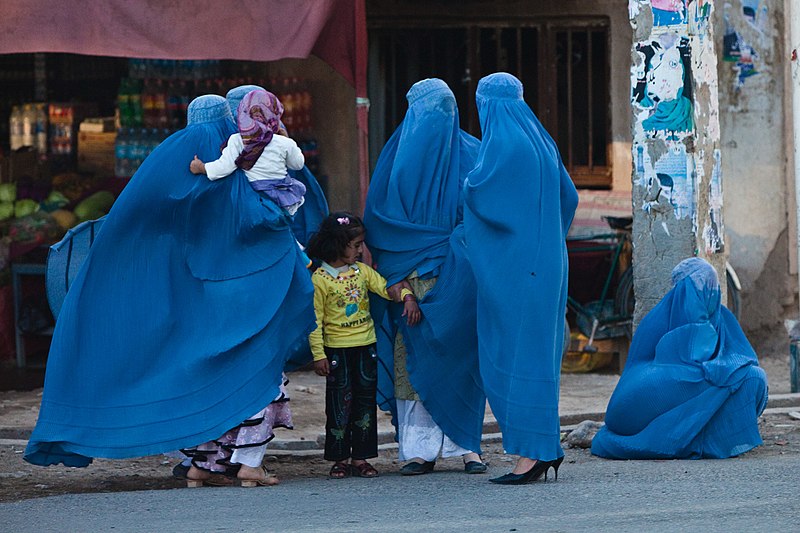
In another sign of restrictive policies against women in Afghanistan, the Taliban has ordered non-government organizations in the country to bar its female employees from returning. This follows the group’s order to suspend women from entering or attending universities.
On Saturday, Afghan economy minister Abdulrahman Habib confirmed the letter that ordered both local and foreign non-government organizations to bar their female employees from returning to work. Habib said the barring was until further notice because some organizations did not comply with the insurgent group’s administration’s interpretation of the Islamic dress code on women.
The order said that any NGO that does not comply would have its operating license revoked.
The latest policy comes days after the insurgent group ordered universities in Afghanistan to bar female students from attending, leading to strong condemnation from the international community, whose recognition is sought by the Taliban. It remains to be seen whether the latest order would also affect United Nations-backed agencies that maintain a large presence in Afghanistan.
Habib clarified that the order applies to organizations under the country’s coordinating body for humanitarian organizations, which covers over 180 local and international NGOs, not the UN-backed ones. However, the UN agencies coordinate with the NGOs registered in Afghanistan in order to carry out humanitarian work.
“Participation of women in humanitarian action is a fundamental principle which cannot be breached,” UN deputy special envoy for Afghanistan and humanitarian coordinator Ramiz Alakbarov told Al Jazeera.
“It is a principle of operational independence of humanitarian action. So obviously, comprehensive humanitarian aid and assistance to population cannot be delivered in situation that operating principles are violated.”
Thursday last week, US Secretary of State Antony Blinken warned that Washington would impose costs on the Taliban for barring women from entering universities. Blinken stressed that the Taliban will not be able to improve relations with the rest of the world if it continues to impose restrictions on women and deny them their fundamental rights.
Several other predominantly Muslim countries also called on the insurgent group to reverse the decree. Turkish foreign minister Mevlut Cavosoglu said the ban was “neither Islamic nor humane,” questioning whether there is an “Islamic explanation” for barring women from education.







