


 Israeli Airstrike Kills Hamas Operative, Two Others in West Bank
  Ecuador Court Convicts Ex-President Lenin Moreno in Bribery Case
  Tennessee Plans to Rename Nashville Airport After Dolly Parton
  King Haakon VIII Honors Late Father Harald in First Address
  Iran Targets U.S. Forces in Jordan as Missiles Intercepted
  U.S. Strikes Iranian Launchers on Larak Island
  ICE Awards $16.7M Contract for Electric Shock Gloves
  Nepal Declines Foreign Rescue Aid After Deadly Flash Flood
  South Korea Leveraged Chip ETF Trading Plunges After New Rules
  US Military Uses Laser to Shoot Down Cartel Drones at Mexico Border
  Ukraine Eyes US Investment for New Defence Tech Fund
  Nepal Seeks More China Glacier Data After Deadly Himalayan Flood
  Canada Backs €100B Global Defence Bank as G7 Support Lags
  Trump Posts AI Video of Iran’s Kharg Island Exploding as Tensions Surge
  South Korea, Japan and US Plan Joint Military Drills
  Bessent Defends US Yen Intervention Over Treasury Market Risks


 Add as a preferred source on Google
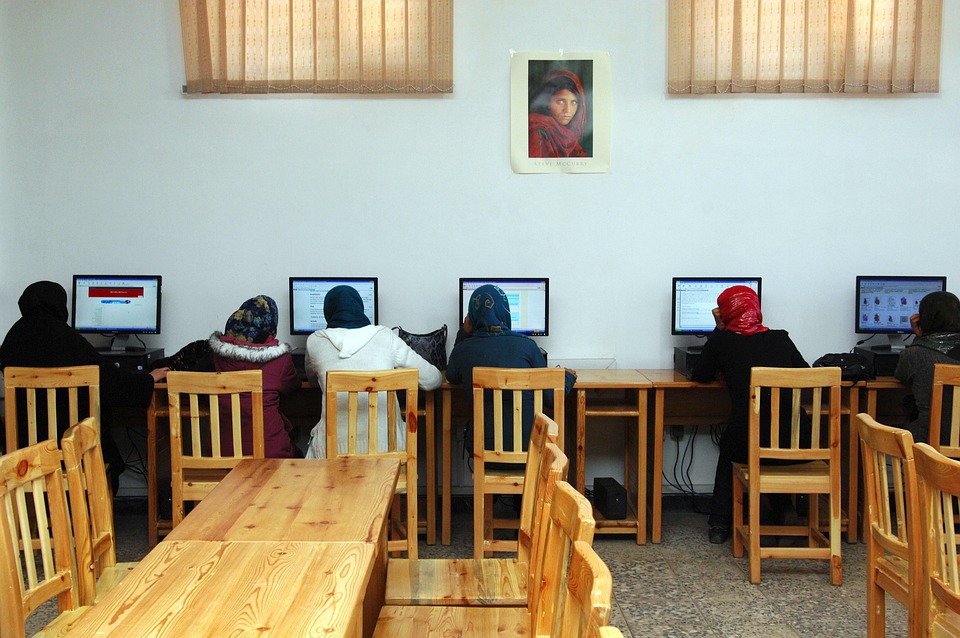
Turkey and Saudi Arabia criticized the Taliban rulers of Afghanistan for their newest policy to ban women from attending universities. The ban is the latest in multiple restrictive policies the insurgent group has implemented against women and girls.
Turkey and Saudi Arabia became the latest predominantly Muslim countries that criticized the new policy implemented by the Taliban barring women from entering universities on Thursday. Speaking at a joint news conference with his Yemeni counterpart, Turkish foreign minister Mevluv Cavusoglu said the Taliban’s ban on women from universities was not “Islamic” nor was it “humane” while urging the insurgent group to reverse such policies.
“What harm is there in women’s education? What harm does it do to Afghanistan?” said Cavusoglu. “Is there an Islamic explanation? On the contrary, our religion, Islam, is not against education; on the contrary, it encourages education and science.”
The Saudi foreign ministry also called on the Taliban to reverse its decision, expressing “astonishment and regret” in a statement. The ministry said that it was “astonishing in all Islamic countries and is contrary to giving Afghan women their full legitimate rights, foremost of which is the right to education, which contributes to supporting security, stability, prosperity, and development for Afghanistan.”
Saudi Arabia and Turkey’s condemnations follow the criticism by Qatar, which has acted as a mediator between the United States and the Taliban.
The Qatari foreign ministry said it was “deeply” disappointed in the decision, stressing that there would be repercussions by doing so, especially in the aspects of human rights, development, and economy. The ministry said the Taliban must review its decision to bar women from universities, especially in line with Islamic teachings on women’s rights.
Washington has since warned the Taliban that barring women from attending universities would result in penalties against the group. On Thursday, US Secretary of State Antony Blinken said the Taliban-led Afghan government would not be able to improve relations with the rest of the world if it continued to impose restrictive policies on women.
In an end-of-the-year news conference in Washington, Blinken said the Taliban was subjecting women and girls to a “dark future without opportunity.”







