


 South Korea Leveraged Chip ETF Trading Plunges After New Rules
  Ecuador Court Convicts Ex-President Lenin Moreno in Bribery Case
  King Haakon VIII Honors Late Father Harald in First Address
  North Korea Vows to Strengthen Nuclear Arsenal Amid U.S. Tensions
  Ukraine Eyes US Investment for New Defence Tech Fund
  Bessent Says Yen Moves Contained as BOJ Rate Decision Looms
  ICE Awards $16.7M Contract for Electric Shock Gloves
  Canada Backs €100B Global Defence Bank as G7 Support Lags
  Nepal Declines Foreign Rescue Aid After Deadly Flash Flood
  Flavio Bolsonaro Pledges to Respect Brazil Election Result
  Mojtaba Khamenei’s Absence Fuels Iran Leadership Doubts
  South Korea, Japan and US Plan Joint Military Drills
  Iceland Counts Votes in Close EU Membership Talks Referendum
  US Military Uses Laser to Shoot Down Cartel Drones at Mexico Border
  Nepal Seeks More China Glacier Data After Deadly Himalayan Flood
  Ukraine Seeks Early EU Funds to Cover $27B Defence Gap
  Iran Targets U.S. Forces in Jordan as Missiles Intercepted


 Add as a preferred source on Google
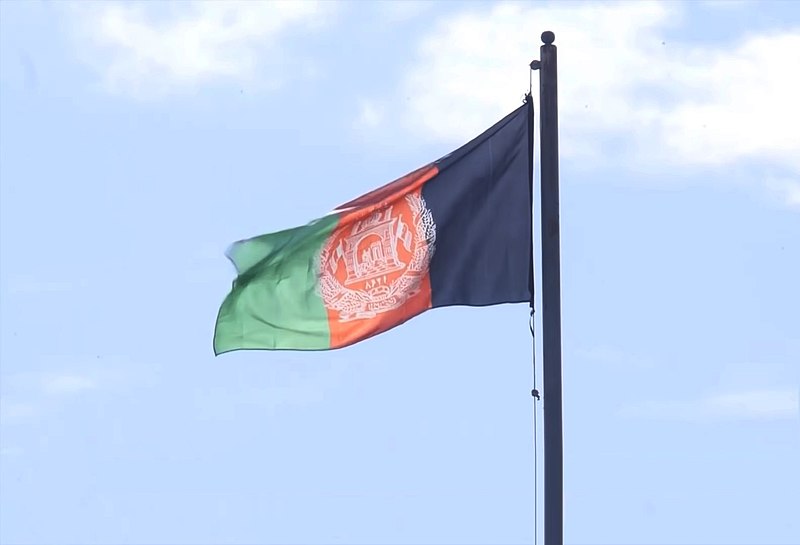
The national gathering of religious scholars and ethnic leaders in Afghanistan ended over the weekend. The event ended with the Taliban calling on foreign governments to formally recognize its administration.
The gathering that was only made up of men in attendance and organized by the Taliban ended on Saturday. The insurgent group also called on foreign governments to formally recognize their administration despite making no indication of changes in the international community’s demands regarding their policies on women and girls.
Those in attendance at the gathering issued a joint statement making the call.
“We ask regional and international countries, especially Islamic countries…to recognize the Islamic Emirate of Afghanistan…release all sanctions…unfreeze funds and support in development of Afghanistan,” said the statement, using the Taliban’s name for Afghanistan that has yet to be recognized.
The insurgent group’s leader joined the three-day event that was attended by 4,000 men and delivered remarks congratulating the group’s success in retaking control of Afghanistan, stressing the country’s independence after over 20 years of conflict and Western military presence.
This call also comes amidst the demands by the international community to reverse some of the group’s policies on women and girls, particularly reopening schools for girls. This issue was addressed during the gathering by a number of participants.
The Taliban’s acting deputy leader and interior minister said the world demanded that Afghanistan have an inclusive government and education, adding that the issues will take time to address.
However, the group’s leader Haibatullah Akhunzada, said foreign countries should not give orders.
Previously, Pakistan’s foreign minister also called on the international community to ease the sanctions imposed by the West on the Taliban-backed government of Afghanistan, saying that the country’s economy must be operating.
Speaking to German news outlet Welt in an interview that was published Thursday last week, Pakistani foreign minister Hina Rabbani Khar explained that isolating Afghanistan economically would lead to a collapse.
“If the country remains locked out of international banking and its foreign assets remain frozen, then that is what will happen. We must not promote famine,” said Khar. “In the current situation, it is not a good idea to continue to starve Afghanistan and risk an economic implosion in the country,” Khar added.







