


 Trump Meets Venezuela’s Delcy Rodriguez at UN Assembly
  Macron Challenges Trump’s Gaza Peace Claims at UN
  UK, Mauritius Seek Diego Garcia Base Deal
  Vietnam, US Trade Deal Could Be Signed Soon, To Lam Says
  Trump Board of Peace Unveils $2.45 Billion Gaza Recovery Plan
  US, Denmark and Greenland Set to Sign Arctic Security Deal
  Zelenskiy Meets CIA Chief John Ratcliffe at Ireland’s Shannon Airport
  Trump to Press Xi on Release of US Nuclear Expert Held in China
  Trump Administration Prepares Sanctions Against Entire ICC
  Carney Condemns Belleville Synagogue Shooting That Wounded Police Officer
  Taiwan Vows to Advance US Arms Sales Ahead of Trump-Xi Meeting
  Zelenskiy Warns Russia Preparing Major Attack on Ukraine
  US Plans Two New Military Bases in Greenland Under Arctic Deal
  Lula and Flavio Bolsonaro Tied in Brazil Runoff Poll
  Kremlin Says No Grounds Yet for Ukraine Peace Talks
  Canada Unveils Bill to Fast-Track Major Resource Projects
  Paramount-Warner Bros $110 Billion Deal Draws Antitrust Backlash


 Add as a preferred source on Google
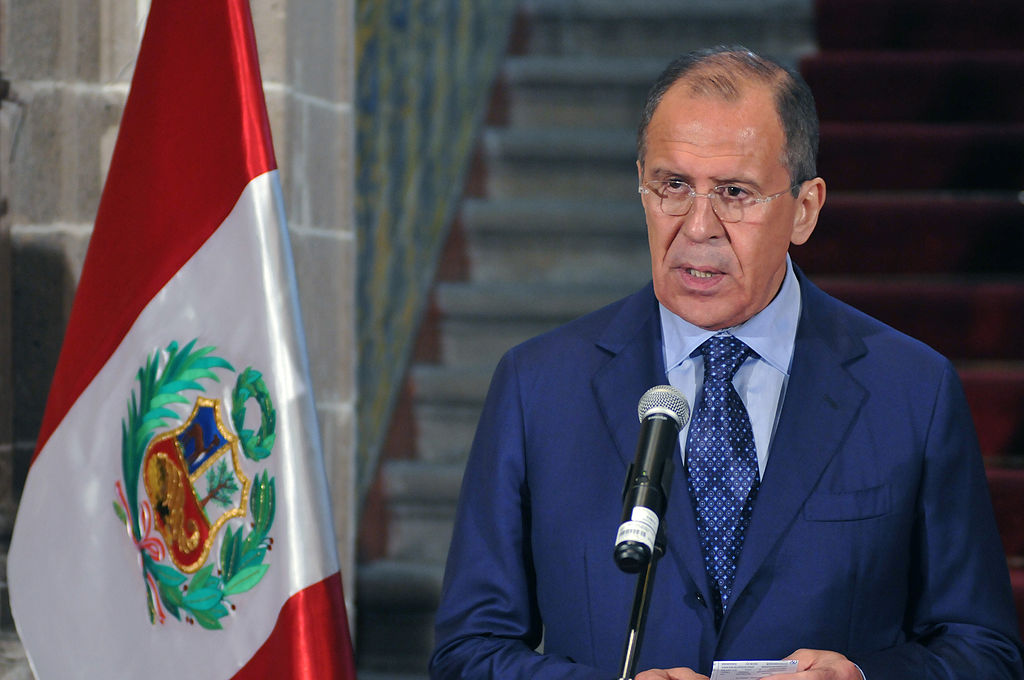
Top diplomats from Asia, Europe, and North America gathered in Manila on Thursday for the ASEAN Regional Forum (ARF), with the escalating Middle East conflict and South China Sea tensions expected to dominate discussions.
The annual security meeting brings together senior officials, including U.S. Secretary of State Marco Rubio, Russian Foreign Minister Sergei Lavrov, EU foreign policy chief Kaja Kallas, and representatives from China, Japan, Australia, India, Britain, and other nations.
The worsening conflict involving Iran, along with the continued blockade of the Strait of Hormuz, has become a major concern for ASEAN members. The 11-nation bloc, whose combined economy is worth roughly $3.8 trillion, depends heavily on Middle Eastern energy supplies and remains vulnerable to higher oil prices, supply chain disruptions, and rising inflation.
Speaking during an ASEAN Plus Three meeting involving China, Japan, and South Korea, Chinese Vice Foreign Minister Hua Chunying warned that global instability has entered a new phase. She said the Middle East conflict has disrupted energy and food supply chains, making regional cooperation and stability increasingly important.
The conflict has intensified after the collapse of a ceasefire 12 days ago. The U.S. military has continued strikes for 12 consecutive nights, while Iran-backed Houthi forces claimed attacks on two Saudi oil tankers in the Red Sea, raising fears of further disruptions to global oil shipments through both the Red Sea and the Strait of Hormuz.
Rubio reiterated that Washington continues to seek a diplomatic solution with Iran but accused Tehran of failing to engage seriously in negotiations. He is also scheduled to meet Lavrov to discuss the Ukraine war, with the United States aiming to support diplomatic efforts to end the conflict.
The South China Sea remains another key issue at the forum following a recent confrontation between Chinese coast guard vessels and Philippine naval personnel near a disputed reef inside Manila's exclusive economic zone. Both governments have since summoned each other's ambassadors.
China continues to claim sovereignty over most of the South China Sea despite a 2016 international arbitration ruling rejecting those claims. Chinese Foreign Minister Wang Yi urged regional nations to promote cooperation, resist outside interference, and work together to maintain peace and stability in the disputed waters.







