


 Trump Questions Housing Bill as He Prioritizes SAVE America Act
  China Sets 1.25% Overnight Reverse Repo Rate Below Market Expectations
  Trump Urges Gasoline Retailers to Cut Prices to $2.50 Per Gallon, Warns of Legal Action
  Wall Street Ends Lower as AI Stocks Drag Markets, Fed Rate Outlook Shifts
  Best Gold Stocks to Buy Now: AABB, GOLD, GDX
  Dollar Slips Ahead of Key U.S. Jobs Data as Fed Rate Outlook, ECB, and Iran Talks Shape Forex Markets
  US Stock Futures Steady as Investors Await Payrolls Data and Monitor Iran Tensions
  Asian Stocks Slip as US-Iran Ceasefire Hopes Lift Oil, Dollar Strength Persists
  Asian Currencies Stay Range-Bound as Investors Eye China Data, RBNZ Outlook and U.S.-Iran Ceasefire


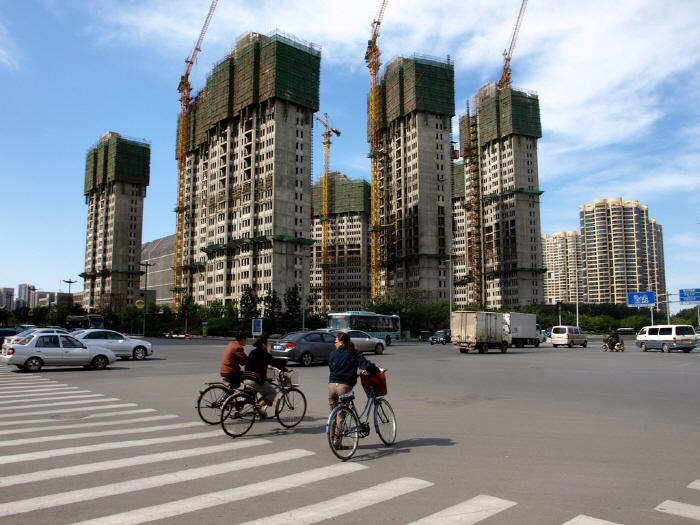
China's state-owned banks will support its highly indebted companies. China should thus avoid a recession. However, Japan shows that keeping many seemingly dead companies ("zombies") afloat weighs on the long-term growth prospect of a country. China is unlikely to recover quickly. Will there be a crash landing in China? That is the big question investors are asking themselves at the moment. With all due caution, the arguments against a crash are sound ones. The Chinese state and its banks have many resources to reduce the imbalances of the Chinese economy over time and avoid a recession.
However, avoiding a cleansing thunderstorm has its consequences - as Japan shows. At the start of the 1990s, real estate and equity prices collapsed after much too sharp a rise. This tore holes in the balance sheets of many companies. However, Japanese banks did not call in its loans to many of these firms but granted them new cheap loans to avoid the bankruptcy of ailing businesses and the write-off of bad loans. This saved Japan an otherwise unavoidable recession in the first half of the 1990s. But keeping many seemingly dead companies ("zombies") afloat prevented a significant economic recovery in the ten years after the bubble burst.
The Chinese government attaches at least as much importance to social stability as the Japanese government did 25 years ago. It is also likely to advise its banks to support large companies in financial difficulties. This will weigh on China's long-term economic growth for three reasons:
Firstly, seemingly dead companies with their low profits invest little and barely recruit more staff. Chinese industrial enterprises have already generated less profit since the beginning of the year compared to the same period last year.
Secondly, companies that are kept artificially alive often defend their market shares by offering their products at below cost. Through this price dumping, they also depress the profits of healthy companies, which hinders their economic development. Producer prices in China have already been falling for over three years in any case as many state-owned companies have built up too high production capacities especially in the raw materials industry.
Thirdly, many healthy companies that have not obtained sufficient loans from the stateowned banks have to resort to shadow banks and pay higher borrowing costs. The percentage of shadow banks in total borrowings has already risen at a disproportionately high rate in past years.
"The Chinese economy will not stagnate for ten years like Japan. Per capita income in China is much lower than in Japan in the 1990s, the economic catch-up phase is far from over. But a zombification could slow the growth of the Chinese economy for years. In any event, China will not recover quickly - unlike the Asian tiger economies after the cleansing storm of the Asian crisis in 1997/98", notes Commerzbank.







