


 Trump Escalates Canada Trade War With 50% Tariffs
  US Launches ‘Economic Onslaught’ Against Iran With New Sanctions
  Dan J. Sullivan Advances in Alaska Senate Race, Setting Up Name Confusion
  NYC Mayor Mamdani Opposes RSS Chief Mohan Bhagwat’s Manhattan Event
  US Removes Syria From Terrorism Sponsor List
  Netanyahu Says Iran Tried to Kill His Son
  US Sailor’s Father Detained by Immigration Authorities
  US Raises Concerns Over Chinese Artist Gao Zhen’s Prison Sentence
  Iran Vows Retaliation as U.S. Expands Sanctions Pressure
  Pakistan, Iran Report Progress in Talks to End U.S.-Israeli War
  U.S. Caribbean Vessel Strike Kills Four in Latest Anti-Drug Operation
  Israeli Strikes Kill Two in Gaza as Tensions Rise
  US-Canada Tariff War Escalates With 50% Auto Duties
  Russian Drone Strike on Kryvyi Rih Mall Kills 16, Injures 130
  U.S. Unleashes New Iran Sanctions, Targets Oil, Crypto and Trade Networks
  UK, France Pledge Stronger Military Support for Ukraine
  Donald Trump’s North Korea Outreach Raises Asia Alliance Concerns


 Add as a preferred source on Google
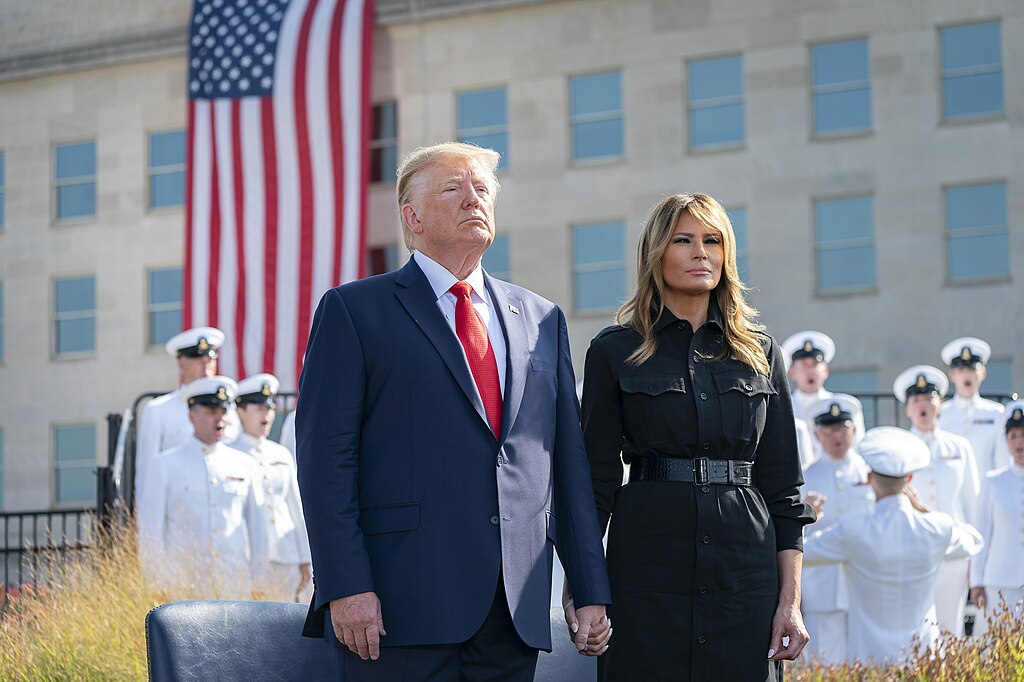
Donald Trump’s presidency brought many controversies, but one area where his supporters continue to credit him is the U.S. economy. Advocates argue that Trump’s policies created an economic boom that led to significant benefits for Americans. While detractors focus on his divisive rhetoric, many still contend that his economic vision was a boon to the nation’s financial health. Here are seven reasons why Trump is seen as good for the U.S. economy.
1. Tax Cuts for Individuals and Corporations
One of the most significant legislative achievements during Trump’s time in office was the Tax Cuts and Jobs Act of 2017. The law slashed corporate tax rates from 35% to 21% and provided tax cuts for individuals. Supporters argue that this move spurred corporate investment and led to higher wages and job creation.
2. Record Low Unemployment Rates
Before the COVID-19 pandemic hit, unemployment rates in the U.S. fell to their lowest levels in over 50 years under Trump’s administration. The black, Hispanic, and female unemployment rates also reached historic lows, giving Trump and his economic team bragging rights for their policies fostering job growth.
3. Deregulation Boosting Business Confidence
Trump implemented an aggressive rollback of regulations, especially in sectors like energy, finance, and manufacturing. This deregulation allowed businesses more freedom to operate, which Trump’s supporters say improved business confidence and contributed to stronger economic performance across various industries.
4. Stock Market Boom
During Trump’s tenure, the stock market reached record highs, benefiting millions of Americans with retirement savings and investments. The Dow Jones Industrial Average surpassed 29,000 points for the first time in history, and investors reaped the rewards of a thriving financial market.
5. Strong GDP Growth
GDP growth accelerated during Trump’s presidency, hitting 2.9% in 2018—the fastest rate since 2005. His administration argued that policies like tax cuts and deregulation provided the necessary foundation for this growth. Proponents see this as evidence that Trump’s economic plan worked, benefiting businesses and individuals alike.
6. Trade Deals and Tariffs
Trump’s approach to trade, especially with China, was one of the most controversial aspects of his presidency. The U.S.-China trade war, fueled by tariffs on hundreds of billions of dollars’ worth of goods, was designed to protect American industries. Trump’s defenders argue that these aggressive tactics forced China to negotiate fairer trade deals and brought manufacturing back to the U.S.
7. Repatriation of U.S. Corporations’ Overseas Profits
Under Trump’s tax reform, U.S. corporations were incentivized to bring home profits held overseas. By lowering the tax rates on repatriated funds, the administration sought to inject more capital into the American economy, which proponents say resulted in increased domestic investments and job creation.
However, critics argue that some of Trump’s policies, particularly the tax cuts, disproportionately favored the wealthy and increased the federal deficit. The long-term consequences of these decisions are still debated among economists, with some claiming they may lead to fiscal challenges down the line.
Despite the controversies surrounding Trump, his impact on the economy remains a focal point for his supporters. They continue to praise his approach, arguing that he laid the groundwork for economic prosperity. As the U.S. navigates its post-pandemic recovery, the debate over Trump’s economic legacy persists. His supporters maintain that his policies brought tangible benefits, while critics argue over the sustainability and fairness of those benefits.







