


 US Plans Two New Military Bases in Greenland Under Arctic Deal
  Burnham Eyes UK Leadership Role in AI Ahead of Trump Meeting
  Taiwan Vows to Advance US Arms Sales Ahead of Trump-Xi Meeting
  Trump Administration Prepares Sanctions Against Entire ICC
  Zelenskiy Meets CIA Chief John Ratcliffe at Ireland’s Shannon Airport
  Scott Bessent Eyed as Trump’s New AI Czar
  Trump Meets Venezuela’s Delcy Rodriguez at UN Assembly
  Macron, Trump Discuss Ukraine-Russia Energy Strike Moratorium
  China Tightens Fentanyl Rules Ahead of Trump-Xi Summit
  Kremlin Says No Grounds Yet for Ukraine Peace Talks
  Lula and Flavio Bolsonaro Tied in Brazil Runoff Poll
  Trump Says U.S.-Iran Peace Deal Near After UN Talks
  Paramount-Warner Bros $110 Billion Deal Draws Antitrust Backlash
  Zelenskiy Warns Russia Preparing Major Attack on Ukraine
  Trump Scales Back Endangered Species Act Protections
  Lula Meets Mamdani in New York as Elections Approach
  Carney Condemns Belleville Synagogue Shooting That Wounded Police Officer


 Add as a preferred source on Google
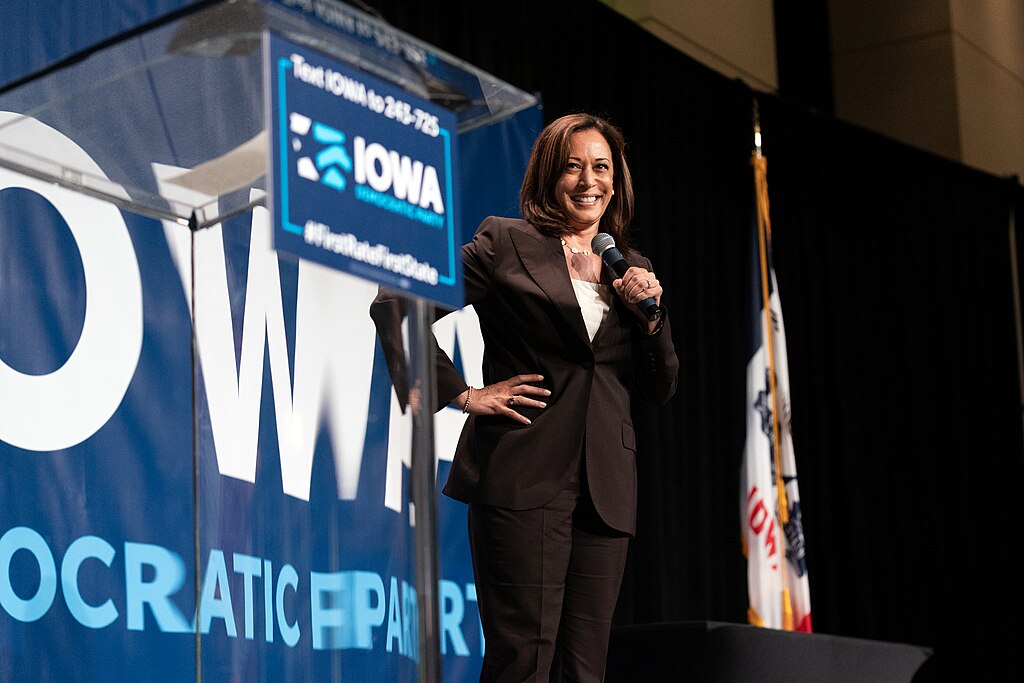
As the 2024 presidential election looms, speculation is growing about Vice President Kamala Harris’s chances of securing victory if she faces off against former President Donald Trump. While Trump remains a dominant figure within the Republican Party, Harris’s path to the White House is not out of reach. Several key factors could work in her favor, positioning her for a potential win. Here are seven critical signs that Harris could emerge victorious in the upcoming election.
1. Shifting Demographics
The U.S. electorate is becoming more diverse, with growing numbers of younger voters, people of color, and women influencing the outcome of elections. Harris’s identity as the first female, first Black, and first South Asian vice president could resonate strongly with these key demographics. The increasing importance of diverse voter groups may play a decisive role in her favor, particularly in battleground states where the electorate is changing rapidly.
2. The Trump Factor
While Donald Trump maintains a loyal base, his polarizing nature could mobilize Democratic voters and independents who are eager to avoid a return to his brand of politics. Trump’s continued influence in the Republican Party has kept him at the center of political controversy, which may energize Harris’s supporters and increase turnout among those who oppose his leadership style. This dynamic could work to Harris’s advantage, especially in key swing states.
3. Strong Organizational Network
As vice president, Harris has developed close ties with influential Democratic leaders and grassroots organizations across the country. Her experience as a U.S. senator, coupled with her position as vice president, provides her with a strong political network that can mobilize voters and resources on a national scale. This infrastructure could prove crucial in organizing voter turnout and securing the backing of key donors and activists.
4. Focus on Key Policy Issues
Harris’s ability to champion progressive causes, such as healthcare reform, climate change, and racial justice, aligns with the concerns of many voters, particularly among younger generations. Her focus on these issues, which are expected to play a significant role in the 2024 election, positions her as a candidate capable of driving policy solutions that appeal to the Democratic base and swing voters alike.
5. Women’s Rights and Roe v. Wade
In the wake of the Supreme Court’s decision to overturn Roe v. Wade, abortion rights and women’s health have become pivotal issues in U.S. politics. As a staunch advocate for reproductive rights, Harris could gain support from voters who are galvanized by this issue. Her leadership on women’s rights may prove to be a rallying point for both Democratic voters and moderates concerned about the rollback of these protections.
6. Trump’s Legal Troubles
As Trump faces multiple legal challenges, including investigations into his business dealings and his role in the January 6 Capitol attack, these ongoing legal battles could undermine his candidacy. Harris could benefit from Trump’s legal woes, positioning herself as a candidate untainted by the controversies that continue to surround him.
7. Biden’s Endorsement and the Incumbency Factor
If President Joe Biden decides not to run for re-election, Harris is likely to receive his endorsement, which could carry significant weight among Democratic voters. The endorsement of an incumbent president would lend credibility to her campaign and unify the party around her candidacy. Even if Biden runs, Harris’s association with the accomplishments of the current administration could provide her with a solid platform to appeal to voters.
As the 2024 race draws closer, Kamala Harris’s path to victory remains challenging, but these seven factors could give her the edge she needs to defeat Donald Trump. With shifting demographics, key policy alignments, and Trump’s own controversies in play, the outcome of this potential showdown is far from certain.







