


 Hims & Hers Shares Fall as GLP-1 Costs Widen Q2 Loss
  US-Backed Pediatric HIV Treatment Drops After Foreign Aid Changes, Study Finds
  3 clinical-grade skincare creams you really shouldn’t buy online
  Novo Nordisk Raises 2025 Outlook Despite Wegovy Pill Miss and CagriSema Setback
  AstraZeneca, Bristol Myers Squibb Explore Mega Merger Worth Nearly $400 Billion
  Trump Signs Order to Cut Routine Childhood Vaccines
  Venezuela Earthquake Health Risks Rise as Disease Monitoring Intensifies
  SK Biopharmaceuticals Secures Global Rights to Biohaven Epilepsy Drug Opakalim
  FDA Approves Mirum’s Atebrioz for Rare Bone Disorder FOP
  Moderna Wins FDA Approval for mFLUSIVA mRNA Flu Vaccine for Adults 50+
  Novartis M&A Strategy Faces Investor Scrutiny After Drug Setbacks
  Hanmi Pharm Soars 30% on $2.3 Billion Genentech Obesity Drug Deal
  New Mexico Measles Outbreak Cost Reached $5.4 Million, Study Finds
  Sanofi, Regeneron Expand Drug Partnership in $8 Billion Deal


 Add as a preferred source on Google
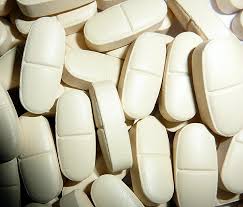

Paracetamol has been around for over 50 years. It’s safe and many guidelines recommend it as the go-to treatment. At least, that’s the conventional view of the drug. It’s a view so ingrained that it’s rarely questioned. The trouble is that the conventional view is probably wrong.
Huge amounts of paracetamol are used to treat pain, measured not in how many tablets are used but in the thousands of tons. For the UK, an estimate of the amount of paracetamol sold is just under 6,300 tonnes a year. That’s 35 tonnes per million of population: 35 grams or 70 paracetamol tablets each, every year.
But does it work?
The evidence is that it probably does not work at all for chronic pain. Large, good and independent clinical trials and reviews from the Cochrane Library show paracetamol to be no better than placebo for chronic back pain or arthritis. This is at the maximum daily dose in trials lasting for three months, so it has been pretty thoroughly tested.
Acute pains are sudden in onset and go away after a while (headache or pain after an operation, for instance). For these, reviews from the Cochrane Library show that paracetamol can provide pain relief, but only for a small number of people. For postoperative pain, perhaps one in four people benefit; for headache perhaps one in ten. This evidence comes from systematic reviews, often of large numbers of good clinical trials.
These are robust and trustworthy results. If paracetamol works for you, that’s great. But for most, it won’t.
Is it safe?
Safety boils down to examining really bad things happening to a very small number of people who take a drug. Unless the rate of the very bad thing is vanishingly small, the authorities won’t let us buy the drug from a petrol station. If we want to study those rare events, then we need study large numbers of people. Partly because paracetamol is such an old drug these studies have largely not been done until recently.
Those we have tell us that paracetamol use is associated with increased rates of death, heart attack, stomach bleeding and kidney failure. Paracetamol is known to cause liver failure in overdose, but it also causes liver failure in people taking standard doses for pain relief. The risk is only about one in a million, but it is a risk. All these different risks stack up.
Are we competent to take analgesics?
There are some scary facts about how much we, as ordinary members of the public, know about painkillers. Here are a few.
Many people don’t know what is in their analgesics. A study in a London emergency department found that half of the patients thought ibuprofen contained paracetamol. In the US, half of a similar group did not know that the popular brand of paracetamol, Tylenol, actually contained paracetamol.
Most people have no idea of the maximum daily dose of paracetamol. In the UK about one in four people frequently exceed the maximum daily dose (it’s 4,000mg, or eight tablets, by the way). In the US, half did not know the maximum daily dose, and one in 20 thought it as high as 10,000mg.
Paracetamol is not just in paracetamol, but all sorts of cold and flu medicines as well, and headache tablets. Around 200m packs of paracetamol are sold without prescription in the UK every year, though sales fell after pack size restriction. In the US it could be one billion (but different pack sizes and tablet doses).
The conundrum is what to do with this information for a drug with limited effect but dangerous in overdose. It’s a headache for regulators and licensing authorities, not to mention organisations like NICE trying to help doctors make sensible treatment decisions. Nor is there a simple alternative. Non-pharmacological methods of treating pain are largely without good evidence. Other drugs may work better, but they have side effects too.
Let’s not rush to judgement here and dismiss paracetamol entirely. But a rethink is surely timely.
 Andrew Moore has been a consultant for and/or received research grants from RB, Novartis, Grünenthal, and Menarini, some of whose products might be competitors of paracetamol is some circumstances. Andrew Moore is an author and editor for the Cochrane Pain, Palliative, and Supportive care group, and until recently was the chairman of the International Study of Pain special interest group on systematic reviews and evidence.
This article was originally published on The Conversation. Read the original article.







