


 Alibaba Raises $10.2 Billion to Expand AI Infrastructure
  New Zealand Moves to Ban Social Media for Children Under 16
  Countries Tighten Social Media Bans for Children
  Google Changes EU Spam Policy Amid Antitrust Scrutiny
  Unitree Shares Plunge 45% After Blockbuster IPO, Raising China Tech Bubble Fears
  Nvidia Eyes Perplexity Investment at $30 Billion Valuation
  Nvidia Revenue Soars 106% as AI Demand Hits ‘Inflection Point’
  BofA Names ASML Top Semiconductor Equipment Pick on Growth, Valuation
  Luxshare Shares Rise as First-Half Profit Jumps 18%
  SoftBank Plans Record $6.3 Billion Bond Sale to Fund OpenAI Investments
  Pinterest Stock Falls as CFO Julia Brau Donnelly Resigns
  OpenAI Data Center Chief Chris Malone Exits Ahead of Planned 2027 Listing
  PayPal Shares Sink as $50 Billion Takeover Bid Collapses
  U.S. Probes Apex Logistics Over Nvidia AI Chip Shipments to China
  Xiaomi Unveils Xring O3 Chip for Flagship Foldable Phone
  HP Stock Drops 9% Despite Q3 Earnings Beat and Raised 2026 Outlook


 Add as a preferred source on Google
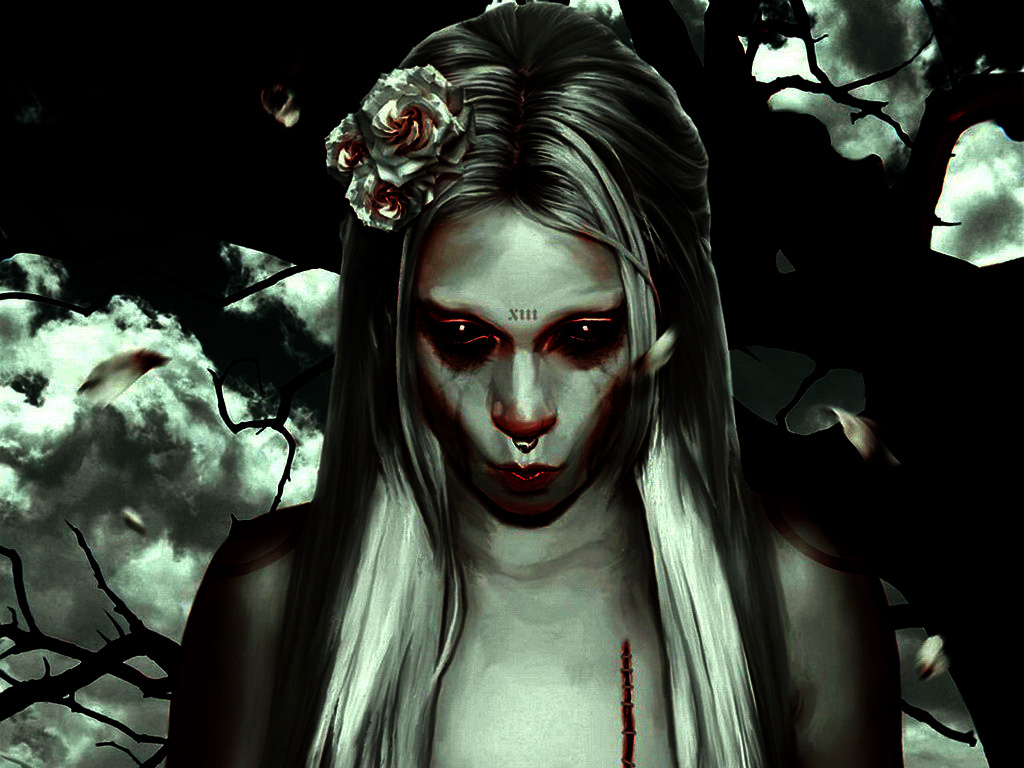
Halloween is almost here and in celebration of the ghoulish holiday, engineers at MIT have created an artificial intelligence specifically design to instill terror in the hearts of people. Luckily, the scare factor only applies to images where the AI basically applies filters to photos in order to make them as scary as possible. The algorithm is only in beta phase, but some of the images it has produced are already quite frightening.
The AI is called Nightmare Machine, The Verge reports, and it was made by a team of three people. Based on the name alone, it’s pretty easy to guess what this algorithm is meant to do. Looking at some of the images that it was fed with, however, the message comes across even clearer. Just take a look at this warped picture of famous actor Brad Pitt to get an idea of what the algorithm can do.
The AI is still in its test phase, as mentioned before, and the engineers are asking people to cast their votes regarding how frightening each image is in order to refine the process. This is also the reason why some of the images it has created can still pale in comparison to what some twisted digital artists have come up with over the years.
On that note, many are still inclined to agree that the Nightmare Machine has created some incredibly disturbing images. The Washington Post notes one image about the current presidential election in particular, where Donald Trump and Hillary Clinton’s recent town hall debate was transformed into an even more frightening depiction of reality than the actual election has been.
According to one of the researchers that worked on the project, Pinar Yanardag Delul, the AI was fed a steady diet of a very specific set of information. It learned about haunted houses, ghost towns, and even toxic cities to produce the most terrifying images possible; all of which are designed to invoke the deepest fears in the minds of the viewers.







