


 Nvidia Tightens AI Chip Sales in Asia With Stricter Customer Approval Process
  Yaskawa Electric Shares Slide as Weak Profit Overshadows Strong AI Demand
  Morgan Stanley Says China’s Reusable Rocket Progress Poses Long-Term Challenge to SpaceX
  Arm Stock Falls After HSBC Downgrade, Citing Limited Near-Term AI Upside
  UBS Starts CarTrade Tech With Buy Rating, Sees Strong Earnings Growth and ₹4,000 Target
  DeepSeek Eyes China IPO as AI Startup Seeks $71 Billion Valuation in New Funding Round
  SK Hynix Soars 13% in Nasdaq Debut After Record $26.5 Billion IPO
  Kitron Q2 Revenue Beats Estimates as Defense Demand Lifts Growth
  SK Hynix Stock Soars as AI Memory Demand Outlook Fuels Chip Rally
  OpenAI Executive Fidji Simo to Step Down Amid Health Challenges Ahead of IPO
  Taiwan Mangoes Head to Europe as Premium Fruit Exports Expand
  DBS Targets S$1 Trillion Wealth AUM by 2030 Amid Asia Wealth Boom
  Australia Flags Child Safety Gaps at Apple, Meta, Google Over Online Sexual Extortion
  DOJ Grand Jury Investigates UAW President Shawn Fain Ahead of Union Election
  Rio Tinto Reports Strong Q2 Iron Ore Sales, Maintains 2026 Production Outlook
  Apple Sues OpenAI, Former Employees Over Alleged Trade Secret Theft
  Mastercard Explores Sale of Majority Stake in UK Payments Firm Vocalink: Report


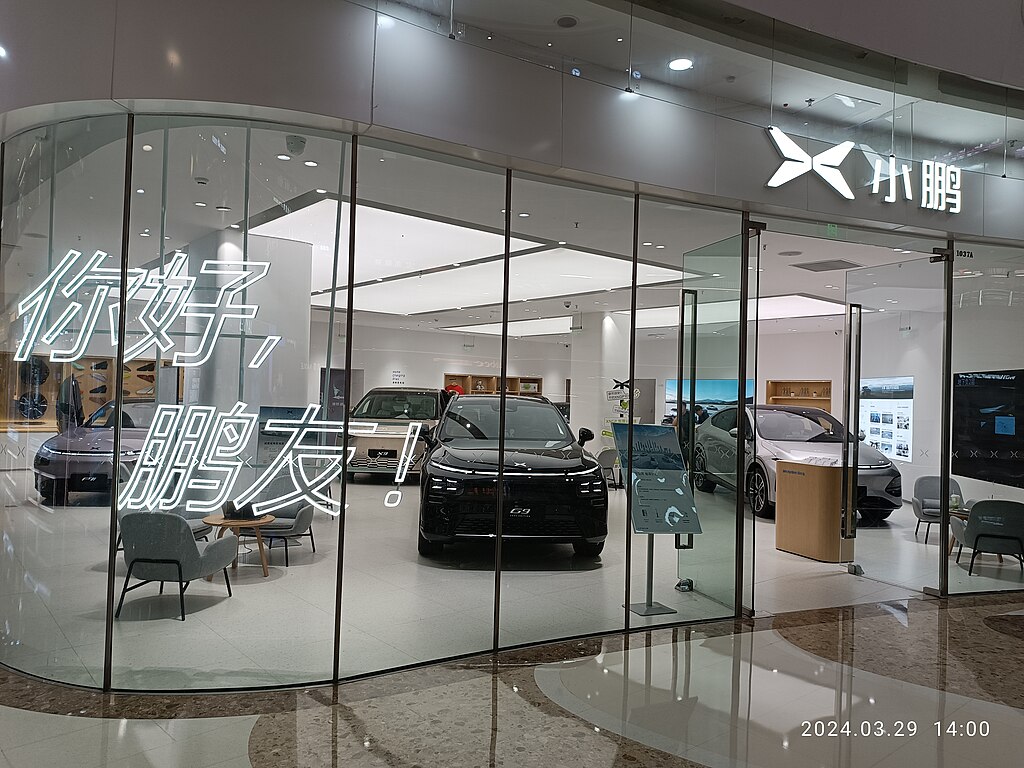
Xpeng Inc.’s stock tumbled on Tuesday after the Chinese electric vehicle maker released a softer-than-expected outlook for the fourth quarter, overshadowing what had otherwise been an impressive third-quarter performance. The company’s Hong Kong-listed shares (HK:9868) fell 8.5% to HK$87.85, sharply underperforming the Hang Seng index, which slipped 1.3%. In the U.S. market, Xpeng’s ADRs (NYSE:XPEV) also lost more than 10% overnight as investors reacted to the mixed update.
Despite the market’s negative response, Xpeng delivered several strong metrics for the third quarter. The automaker reported a much narrower loss than analysts anticipated, posting a loss of just 0.16 yuan per share compared to expectations of 0.566 yuan. Revenue surged 100% year-over-year, reaching 20.38 billion yuan, coming in only slightly below the consensus estimate of 20.63 billion yuan. The company also achieved record vehicle deliveries during the quarter, supported by increased demand across its expanding EV lineup.
However, the optimism was tempered by Xpeng’s guidance for the fourth quarter. The automaker expects revenue between 21.5 billion yuan and 23.0 billion yuan, missing analysts’ estimates of roughly 25.09 billion yuan. Although the company projects strong deliveries of 125,000 to 132,000 vehicles for the period, its revenue forecast suggested the firm will continue to feel the impact of China’s intense EV price war. With local competitors slashing prices to maintain market share, Xpeng has been forced to offer aggressive discounts and incentives—a strategy that helped drive sales but pressured margins.
Even with these challenges, Xpeng appears to be making progress toward profitability. The company’s non-GAAP net loss narrowed significantly in the third quarter, and CEO He Xiaopeng reaffirmed the company’s target of achieving breakeven in the fourth quarter. Investors, however, remain cautious as the EV industry faces heightened competition, volatile pricing, and tightening consumer budgets. Still, Xpeng’s ability to grow deliveries and reduce losses suggests it may be positioning itself for a stronger long-term trajectory, provided it can navigate near-term margin pressures and sustain demand in a competitive market.







