


 SoftBank Eyes $20 Billion Bond Sale to Refinance OpenAI Loan
  Nvidia Pauses AI Cloud Financing Deals Amid Antitrust Concerns
  HP Stock Drops 9% Despite Q3 Earnings Beat and Raised 2026 Outlook
  SK Hynix Shares Fall as Workers Reject Wage Deal
  Meta, U.S. States Discuss Settlement in Teen Addiction Trial
  Jefferies Names AMEC Top China Semiconductor Equipment Pick
  Pinterest Stock Falls as CFO Julia Brau Donnelly Resigns
  Nvidia Reportedly Eyes $13 Billion Hugging Face Acquisition
  Trump Buys SpaceX Shares After Record IPO
  OpenAI Data Center Chief Chris Malone Exits Ahead of Planned 2027 Listing
  Google Changes EU Spam Policy Amid Antitrust Scrutiny
  Yindjibarndi Appeals Fortescue Mining Compensation Ruling
  Salesforce Shares Surge as AI Demand Powers Q2 Earnings Beat
  The Realist’s Case: Lukas Kerrebijn of RD Dubai on the Narrative Dubai’s Agents Won’t Question
  PayPal Shares Sink as $50 Billion Takeover Bid Collapses


 Add as a preferred source on Google
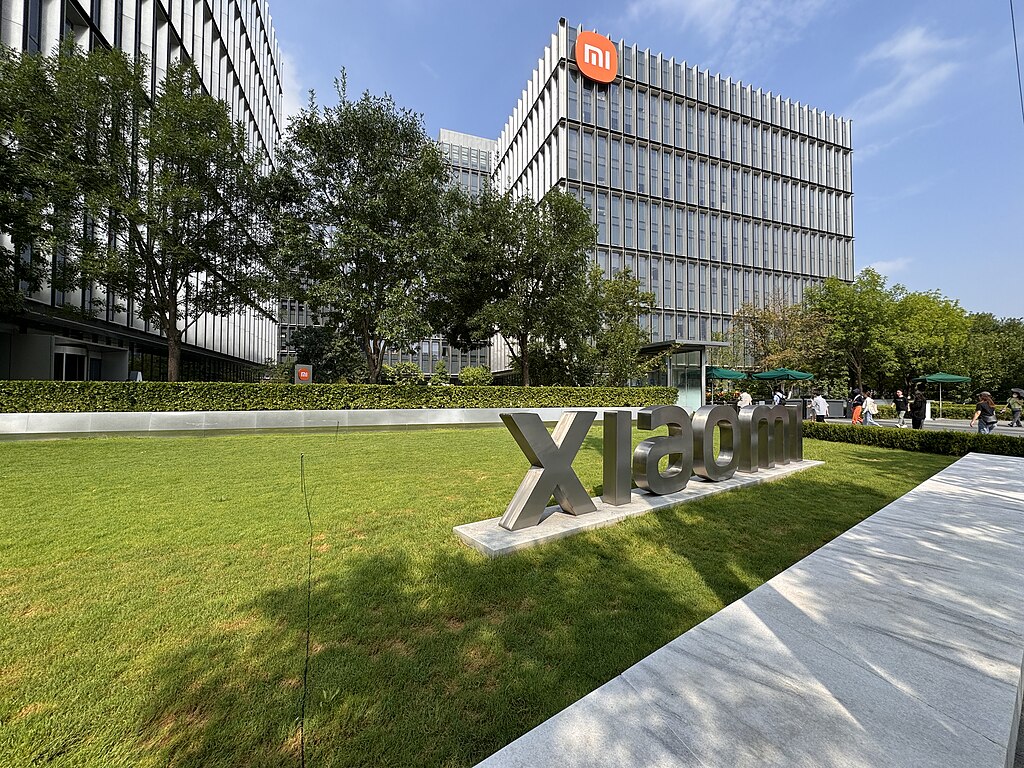
Xiaomi Corp (HK:1810) saw its shares tumble to a seven-month low on Wednesday after the Chinese electronics giant signaled that rising global memory chip prices could soon force an increase in smartphone costs. The stock fell 4.7% to HK$38.88—its weakest level since early April—and became the biggest drag on the Hang Seng Index, which slipped 0.6% as tech stocks broadly declined.
The company reported mixed third-quarter results. Xiaomi’s revenue grew 2.3% year-over-year to 113.1 billion yuan (about $16 billion), falling short of Reuters/LSEG expectations of 116.5 billion yuan. However, the company delivered a significant profit boost, with net income surging 80.9% to 11.3 billion yuan, beating estimates of 10.3 billion yuan. Strong smartphone demand and steady sales of smart gadgets helped support results, while Xiaomi’s electric vehicle (EV) division recorded its first profitable quarter—a milestone that underscored the brand’s expanding footprint beyond consumer electronics.
Xiaomi also achieved notable momentum in EV sales, even surpassing Tesla China in October—a development that reinforces its growing presence in the competitive electric vehicle market. But despite these bright spots, concerns about rising component costs weighed heavily on investor sentiment.
During the post-earnings call, Xiaomi President Lu Weibing warned that global memory chip prices—driven higher by surging demand in artificial intelligence infrastructure—have reached unprecedented levels. He noted that while Xiaomi may raise retail smartphone prices, the increases may not fully offset the higher component costs. This warning is particularly significant given that Xiaomi remains the world’s third-largest smartphone maker, trailing only Apple and Samsung. Although the company continues to expand into EVs and other electronics, smartphones still account for the majority of its earnings.
As rising chip prices threaten to squeeze margins, investors will be watching closely to see how Xiaomi balances product pricing, profitability, and competitiveness in the coming quarters.







