


 Iran-U.S. Oil Tensions Escalate as Revolutionary Guards Threaten Strait of Hormuz Blockade
  Dollar Strengthens Amid Oil Price Surge and Inflation Fears
  Oil Prices Surge Toward $100/Barrel After Tanker Attacks in Iraqi Waters
  RBA Rate Decision: Deputy Governor Signals Genuine Debate Ahead of March Meeting
  U.S. Markets Slip Amid Iran Conflict Uncertainty as Oil Prices Retreat
  Bipartisan Housing Bill Advances in Senate, Aims to Tackle U.S. Affordability Crisis
  IEA Releases Record 400 Million Barrels of Oil Amid U.S.-Iran War
  Russian Drone Strikes Hit Kharkiv and Dnipro, Injuring Over 20 Civilians
  U.S.-Israel War on Iran Sends Crude Oil Prices Surging Amid Strait of Hormuz Tensions
  Trump Administration Launches Trade Investigations Against 16 Countries Over Industrial Overcapacity
  Ukraine Strikes Russian Missile Component Factory in Bryansk Using British Weapons
  Venezuela Names Paula Henao as New Oil Minister Amid U.S.-Led Industry Overhaul
  U.S. Futures Slide as Oil Prices Surge on Middle East Shipping Attacks
  Iran Mines Strait of Hormuz: Crude Oil Prices Surge Amid Middle East Tensions
  Japan's BOJ Independence Under Fire as PM Takaichi's Rate Stance Draws Political Heat
  Iran-Israel War Sparks Global Oil Crisis as Tankers Burn in Gulf Waters
  Israel-Iran War: Herzog Urges Patience as U.S. and Israeli Strikes Intensify


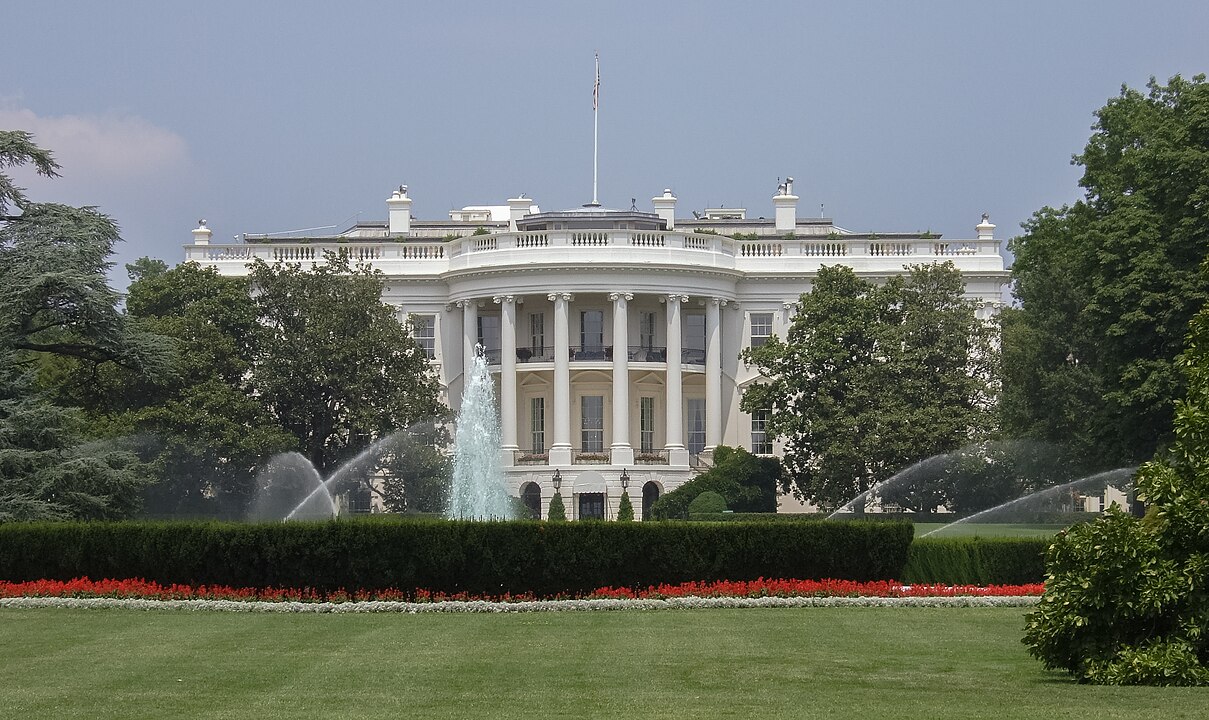
The White House is urging Congress to swiftly approve government funding legislation before the January 30 deadline, warning that any delay could risk a partial government shutdown and disrupt critical federal operations. Speaking during a White House press briefing on Monday, Press Secretary Karoline Leavitt emphasized the administration’s strong opposition to any lapse in government funding and called on lawmakers to move forward with a bipartisan spending agreement.
Leavitt addressed questions regarding Democratic efforts to separate funding for the Department of Homeland Security (DHS) from the broader government spending package. She made clear that the Biden administration does not support carving out DHS funding, stressing the importance of passing a comprehensive appropriations bill that keeps the government fully funded. According to Leavitt, maintaining uninterrupted funding is essential for national security, public safety, and the continued functioning of federal agencies.
“We absolutely do not want to see that funding lapse,” Leavitt told reporters, underscoring the administration’s desire for the Senate to advance the bipartisan appropriations package that was negotiated with support from both parties. She reiterated that the agreement represents a collaborative effort in Congress and should be passed without further delays or political maneuvering.
The January 30 deadline is rapidly approaching, placing increased pressure on lawmakers to reach a final agreement and avoid a government shutdown. Funding gaps could have widespread consequences, including furloughs for federal workers, interruptions to government services, and negative impacts on the U.S. economy. The White House has consistently warned that uncertainty around government funding undermines stability and public confidence.
As negotiations continue on Capitol Hill, the administration is calling for unity and cooperation among lawmakers to ensure the government remains open. The funding debate comes amid broader discussions about fiscal responsibility, border security, and congressional priorities, making the outcome closely watched by both political leaders and the public.
With time running out, the White House’s message is clear: Congress must act quickly to pass the bipartisan government funding legislation and prevent a shutdown that could have far-reaching consequences for the nation.













