


 Morgan Stanley Says China’s Reusable Rocket Progress Poses Long-Term Challenge to SpaceX
  Samsung to Launch First Yongin Chip Plant by 2029 as South Korea Speeds Up Semiconductor Hub
  DOJ Grand Jury Investigates UAW President Shawn Fain Ahead of Union Election
  Yaskawa Electric Shares Slide as Weak Profit Overshadows Strong AI Demand
  SK Hynix Shares Drop After Strong Nasdaq Debut Despite $26 Billion ADR Listing
  Samsung Chairman Lee Jae-yong Expected to Meet Nvidia CEO Jensen Huang on AI and Chip Partnership
  AstraZeneca Shares Sink After Wainua Trial Misses Key Heart Disease Goal
  Nippon Paint Reportedly Offers Up to €7.5 Billion for Akzo Nobel Decorative Paints Business
  Paramount-Warner Bros. Discovery Merger Faces Lawsuit From 12 States
  Levi Strauss Raises 2026 Outlook After Q2 Earnings Beat, Shares Drop Despite Strong Results
  Fast Retailing Raises Full-Year Forecast After Uniqlo Owner Beats Q3 Profit Estimates
  Kitron Q2 Revenue Beats Estimates as Defense Demand Lifts Growth
  SK Hynix Soars 13% in Nasdaq Debut After Record $26.5 Billion IPO
  Oppenheimer Sees CNH Industrial as Top 2026 Agriculture Stock Pick on Dealer Consolidation Strategy
  Apple Sues OpenAI, Former Employees Over Alleged Trade Secret Theft
  Elon Musk Says Anthropic Leads AI Race as Claude Models Challenge OpenAI
  Morgan Stanley Names Marks & Spencer Top European Retail Pick, Sees Strong Upside


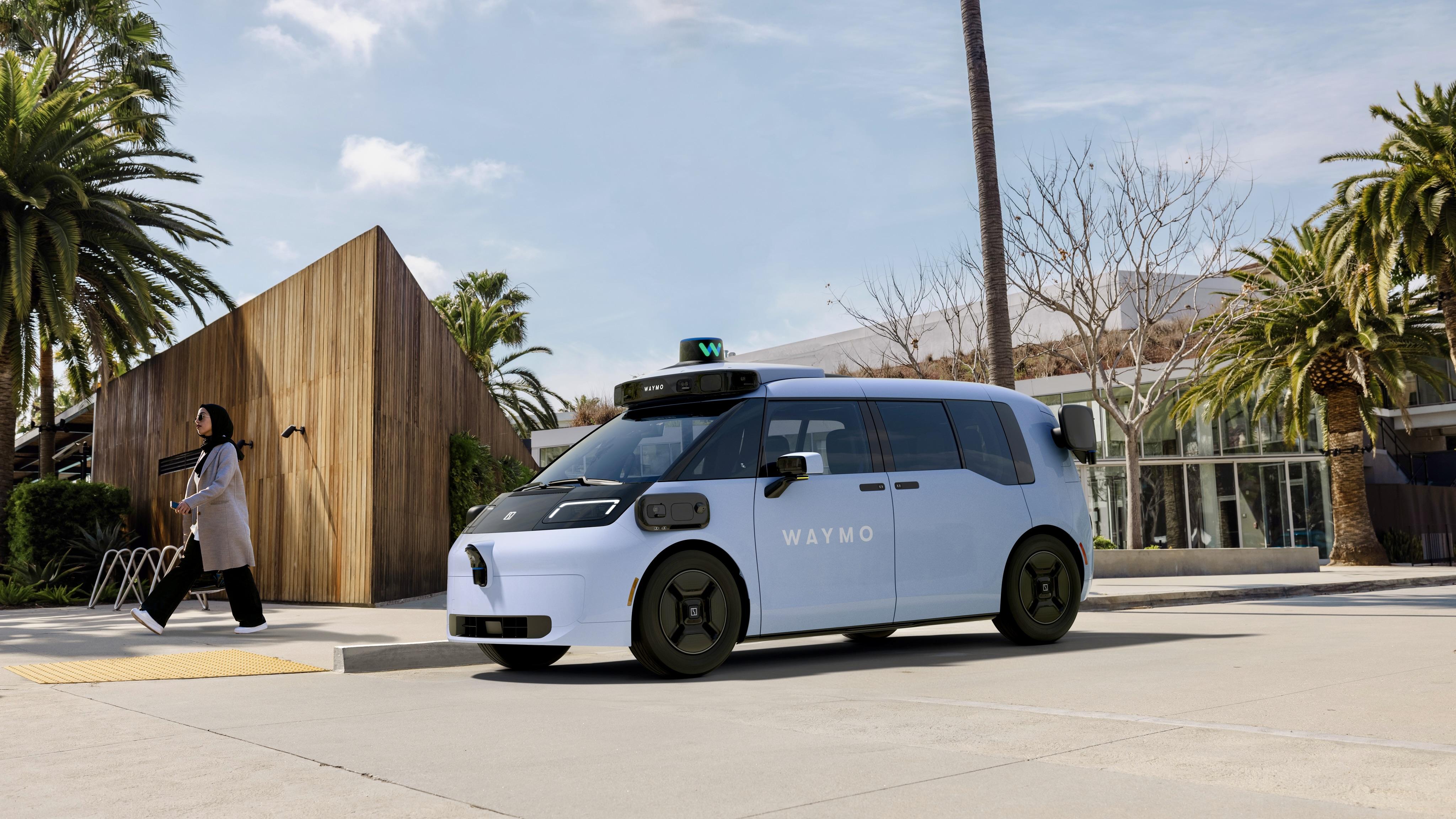
Alphabet-owned autonomous driving company Waymo announced plans to expand first responder engagement, strengthen emergency response protocols, and deploy software updates that will help its self-driving vehicles navigate intersections more decisively. The announcement comes after several Waymo robotaxis stalled across San Francisco following a major power outage over the weekend.
Waymo temporarily paused its ride-hailing service on Saturday evening after a fire at a Pacific Gas & Electric (PG&E) substation caused widespread power failures in San Francisco. The outage affected roughly one-third of the city, leaving about 130,000 residents without electricity and forcing some local businesses to shut down temporarily. During the outage, multiple Waymo autonomous vehicles were reported to have stopped operating normally in certain areas, raising concerns about how self-driving cars handle large-scale infrastructure disruptions.
In response, Waymo said it is taking steps to improve coordination with emergency responders to ensure clearer communication during incidents such as power outages, fires, or other citywide emergencies. The company plans to enhance its emergency response playbooks so that its robotaxis can better recognize and adapt to abnormal traffic conditions, disabled signals, and unexpected obstacles.
Waymo also confirmed it will roll out software updates designed to allow its vehicles to move through intersections more confidently when traffic signals are not functioning as expected. According to the company, these updates aim to reduce hesitation and prevent vehicles from stopping in ways that could disrupt traffic or block emergency access.
The incidents have drawn the attention of regulators. A California state regulator said on Monday that it is reviewing reports related to Waymo robotaxis stalling in parts of San Francisco during the outage. The review highlights growing scrutiny of autonomous vehicle safety and reliability as companies expand driverless services in major urban areas.
Waymo emphasized that safety remains its top priority and said it is working closely with city officials, utility providers, and regulators to minimize the risk of similar disruptions in the future. As autonomous vehicles become more common on public roads, the company acknowledged that adapting to rare but impactful events like power outages is critical to building public trust and ensuring smooth urban mobility.







