


 Trump Questions Housing Bill as He Prioritizes SAVE America Act
  US Stock Futures Steady as Investors Await Payrolls Data and Monitor Iran Tensions
  US Dollar Slips After PCE Inflation Data as Fed Rate Hike Expectations Stay Elevated
  China Expands Export Controls, Adds 20 Japanese Companies to Restricted List
  Central Banks Eye Gold, Reduce Dollar Exposure as AI Adoption Accelerates: OMFIF Survey
  Gold Prices Drop as Fed Rate Outlook and Iran Tensions Weigh on Market
  Economic pessimism has set in – but there are reasons for Australians to be hopeful
  Japan Targets 1%+ Real Economic Growth With ¥370 Trillion Investment Plan
  Global Financial Firms Shift Asia Expansion Focus to South Korea as China, India Face Caution
  World Bank Approves $1.1 Billion Emergency Funding for Bangladesh Amid Food and Energy Price Pressures
  Trump Urges Gasoline Retailers to Cut Prices to $2.50 Per Gallon, Warns of Legal Action
  Asian Currencies Stay Range-Bound as Investors Eye China Data, RBNZ Outlook and U.S.-Iran Ceasefire
  Asian Stocks Slip as US-Iran Ceasefire Hopes Lift Oil, Dollar Strength Persists
  Gold Price Ends Lower for Fourth Week Despite Rebound as Fed Rate Hike Bets Strengthen
  Oil Prices Slip as U.S.-Iran Peace Talks and Strait of Hormuz Risks Keep Markets on Edge
  China Sets 1.25% Overnight Reverse Repo Rate Below Market Expectations
  Argentina Economy Shrinks 1.5% in April, Recovery Under Milei Loses Momentum


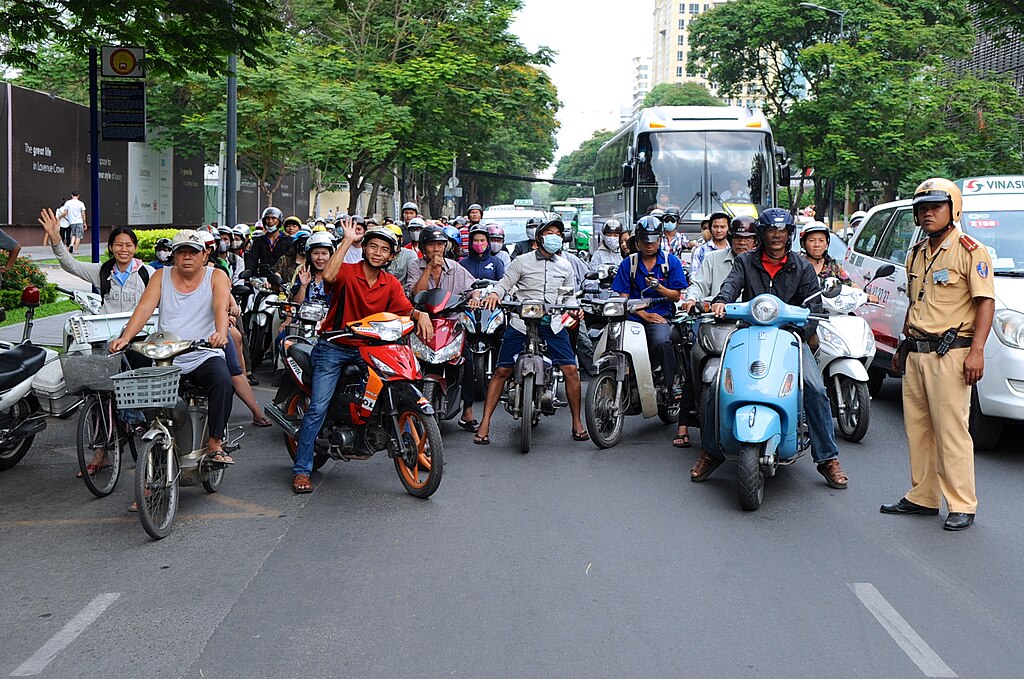
Vietnam’s economic growth is projected to ease to 6.8% in 2026 after the country recorded a strong 8% expansion last year, according to the latest assessment released by the World Bank on Friday. Despite the slower pace, the organization emphasized that Vietnam’s economy continues to show resilience and remains one of the strongest performers in Southeast Asia.
The World Bank noted that Vietnam’s economic outlook is still positive due to strong exports, rising foreign investment, and continued manufacturing activity. However, the institution also warned that several short-term risks could affect growth momentum in the coming months. Global economic uncertainty, weaker external demand, inflation pressures, and geopolitical tensions remain key concerns for policymakers and investors monitoring the Vietnamese economy.
Vietnam has emerged as an important manufacturing and export hub in Asia, attracting multinational companies seeking alternatives in global supply chains. The country has benefited from steady foreign direct investment, competitive labor costs, and expanding trade partnerships. Analysts believe these factors will continue supporting long-term economic development even as growth moderates from last year’s exceptional performance.
The World Bank also highlighted the importance of maintaining economic reforms, improving infrastructure, and strengthening financial stability to sustain future growth. Experts say Vietnam must continue investing in innovation, digital transformation, and workforce development to remain competitive in the regional market.
Although economic growth is expected to slow compared to 2025, Vietnam is still forecast to outperform many economies in the region. Investors and businesses continue to view the country as an attractive destination for trade, manufacturing, and long-term investment opportunities.
Vietnam’s economic performance in 2026 will likely depend on global market conditions, domestic policy responses, and the government’s ability to manage financial and trade-related challenges effectively.







