


 After the Iran war, Persian Gulf nations face tough decisions on the US – a former diplomat explains
  Trump Administration Launches Trade Investigations Against 16 Countries Over Industrial Overcapacity
  Mexico's Electoral Reform Bill Fails in Congress as Coalition Fractures
  IEA Releases Record 400 Million Barrels of Oil Amid U.S.-Iran War
  Boeing Secures $289 Million Smart Bomb Contract With Israel
  Iran-U.S. Oil Tensions Escalate as Revolutionary Guards Threaten Strait of Hormuz Blockade
  Taiwan's MQ-9B SkyGuardian Drone Order Stays on Schedule Despite Middle East Conflict
  Iran-Israel War Sparks Global Oil Crisis as Tankers Burn in Gulf Waters
  Trump Doubts Iran Mining Reports as Strait of Hormuz Tensions Escalate
  Bipartisan Housing Bill Advances in Senate, Aims to Tackle U.S. Affordability Crisis
  FBI Warns of Possible Iranian Drone Attacks on California Amid U.S.-Iran War
  Russian Drone Strikes Hit Kharkiv and Dnipro, Injuring Over 20 Civilians
  Iran's Government Remains Stable Despite U.S. and Israeli Strikes, Intelligence Shows
  Japan's BOJ Independence Under Fire as PM Takaichi's Rate Stance Draws Political Heat
  Trump-Putin Call Addresses Iran War, Ukraine Peace, and Global Oil Crisis
  U.S. Patriot Missiles Redeployed From South Korea Amid Middle East Conflict
  U.S. and Russia Hold Diplomatic Talks in Florida Amid Ongoing Tensions


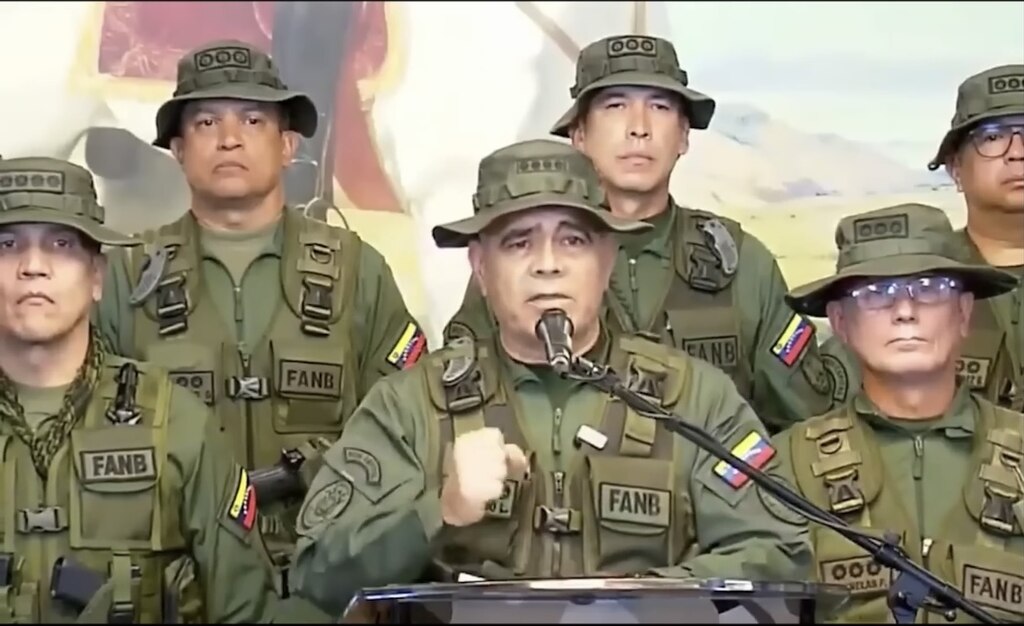
Venezuela is facing a dramatic escalation in tensions after Defense Minister Vladimir Padrino López stated that the country will firmly resist the presence of any foreign troops, following claims by U.S. President Donald Trump that Venezuelan President Nicolás Maduro had been captured and was being removed from the country. The remarks, delivered in a video message early Saturday, come amid reports of a U.S. military operation carried out in the early hours of the morning.
According to Padrino, U.S. attacks struck civilian areas across Venezuela, raising serious concerns about casualties and damage to non-military infrastructure. He said Venezuelan authorities are actively compiling information regarding those killed or injured as a result of the strikes. The defense minister strongly condemned what he described as an act of aggression and reaffirmed the Venezuelan military’s commitment to defending national sovereignty and territorial integrity.
The situation has sparked global attention as uncertainty surrounds the fate of President Maduro and the broader implications of a potential U.S. intervention in Venezuela. While President Trump claimed that Maduro had been captured, no independent confirmation has been provided, and Venezuelan officials have rejected the statement as misinformation aimed at destabilizing the country.
Venezuela has long been at the center of geopolitical tensions involving the United States, with years of economic sanctions, diplomatic pressure, and disputes over leadership legitimacy. The latest developments mark one of the most serious confrontations to date, heightening fears of a wider conflict in the region. Analysts warn that any prolonged military action could worsen the humanitarian situation in Venezuela, where civilians are already facing economic hardship and shortages of basic goods.
As news continues to unfold, international organizations and foreign governments are closely monitoring the crisis, urging restraint and calling for dialogue to prevent further violence. For now, Venezuela’s leadership maintains that it will not yield to foreign military presence and will continue to resist what it views as an unlawful intervention. The coming days are expected to be critical in determining whether the conflict escalates further or moves toward a diplomatic resolution.













