


 Dollar Steadies as Traders Await Clarity on U.S.-Israel-Iran War
  Asian Markets Retreat as Oil Prices Surge Toward $100 Amid Middle East Tensions
  Iran-U.S. Oil Tensions Escalate as Revolutionary Guards Threaten Strait of Hormuz Blockade
  German Exports Drop 2.3% in January, Exceeding Forecast Decline
  Asian Stock Markets Rise as Oil Prices Pull Back; U.S. CPI in Focus
  Gold Prices Climb Above $5,200 as Iran War Uncertainty and Inflation Data Loom
  RBA Set for Back-to-Back Rate Hikes, Westpac Forecasts
  Asia FX Steady as Iran War Signals and U.S. Inflation Data Weigh on Sentiment
  IEA Plans Record Emergency Oil Release Amid Iran Strait of Hormuz Crisis
  ANZ and Westpac Forecast Two RBA Rate Hikes in March and May 2026
  Oil Prices Surge Toward $100/Barrel After Tanker Attacks in Iraqi Waters
  Dollar Strengthens Amid Oil Price Surge and Inflation Fears
  IEA Releases Record 400 Million Barrels of Oil Amid U.S.-Iran War
  U.S.-Israel War on Iran Sends Crude Oil Prices Surging Amid Strait of Hormuz Tensions
  Trump Administration Launches Trade Investigations Against 16 Countries Over Industrial Overcapacity
  Gold Prices Slip as U.S.-Israel-Iran War Fuels Dollar and Oil Demand


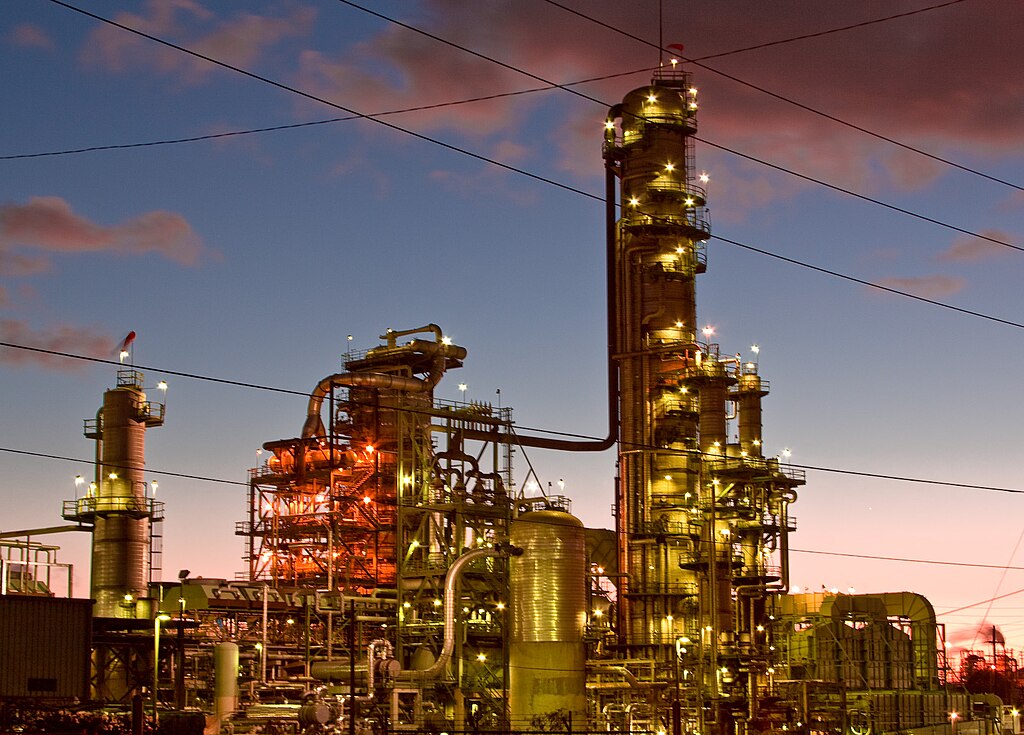
Venezuela’s oil exports have effectively come to a standstill after months of declining shipments triggered by sweeping U.S. sanctions and an intensified oil embargo announced by U.S. President Donald Trump. According to sources close to port and shipping operations, oil terminals across the country are paralyzed as port captains have not received authorization requests for loaded tankers to depart Venezuelan waters. This development underscores the deepening crisis facing the South American nation’s vital oil industry.
The suspension comes amid dramatic political developments, including the reported extraction of Venezuelan President Nicolás Maduro and his wife from Caracas by U.S. authorities, followed by Washington’s announcement that it would oversee a political transition in the country. President Trump confirmed on Saturday that the oil embargo against Venezuela is now fully in effect, reinforcing restrictions on sanctioned tankers entering or leaving Venezuelan ports.
Shipping data shows that several oil tankers carrying crude oil and refined fuel, destined for markets such as the United States and Asia, remain docked and unable to set sail. Meanwhile, other vessels that had been waiting to load cargo reportedly departed empty. Tanker monitoring firm TankerTrackers.com confirmed that no tankers were loading at Venezuela’s primary oil export hub, the Jose port, highlighting the severity of the disruption.
A complete halt in oil exports, including shipments operated by Chevron, PDVSA’s main foreign partner, could further worsen Venezuela’s oil production outlook. Industry sources warn that with onshore storage tanks nearing capacity and floating storage vessels already full, PDVSA may be forced to shut in production at key oilfields. Such output cuts would deepen the country’s economic crisis, given that oil exports remain Venezuela’s main source of revenue.
PDVSA and Chevron have not issued official comments on the situation, but analysts note that prolonged export paralysis could have lasting consequences for global oil markets and Venezuela’s already fragile energy sector.













