


 Trump-Putin Call Addresses Iran War, Ukraine Peace, and Global Oil Crisis
  U.S. Senate Greenlights AI Chatbots for Official Staff Use
  Trump Doubts Iran Mining Reports as Strait of Hormuz Tensions Escalate
  Iran-Israel War Sparks Global Oil Crisis as Tankers Burn in Gulf Waters
  U.S. Patriot Missiles Redeployed From South Korea Amid Middle East Conflict
  Iran Mines Strait of Hormuz: Crude Oil Prices Surge Amid Middle East Tensions
  Pentagon Taps Wall Street Talent to Manage $200 Billion Defense Investment Fund
  Trump Administration Launches Trade Investigations Against 16 Countries Over Industrial Overcapacity
  Russian Drone Strikes Hit Kharkiv and Dnipro, Injuring Over 20 Civilians
  After the Iran war, Persian Gulf nations face tough decisions on the US – a former diplomat explains
  Israel-Iran War: Herzog Urges Patience as U.S. and Israeli Strikes Intensify
  Ukraine Strikes Russian Missile Component Factory in Bryansk Using British Weapons
  Bipartisan Housing Bill Advances in Senate, Aims to Tackle U.S. Affordability Crisis
  U.S.-Israel War on Iran Sends Crude Oil Prices Surging Amid Strait of Hormuz Tensions
  Shots Fired at U.S. Consulate in Toronto in Suspected National Security Incident
  Trump Announces New U.S. Oil Refinery in Texas with Indian Energy Giant Reliance


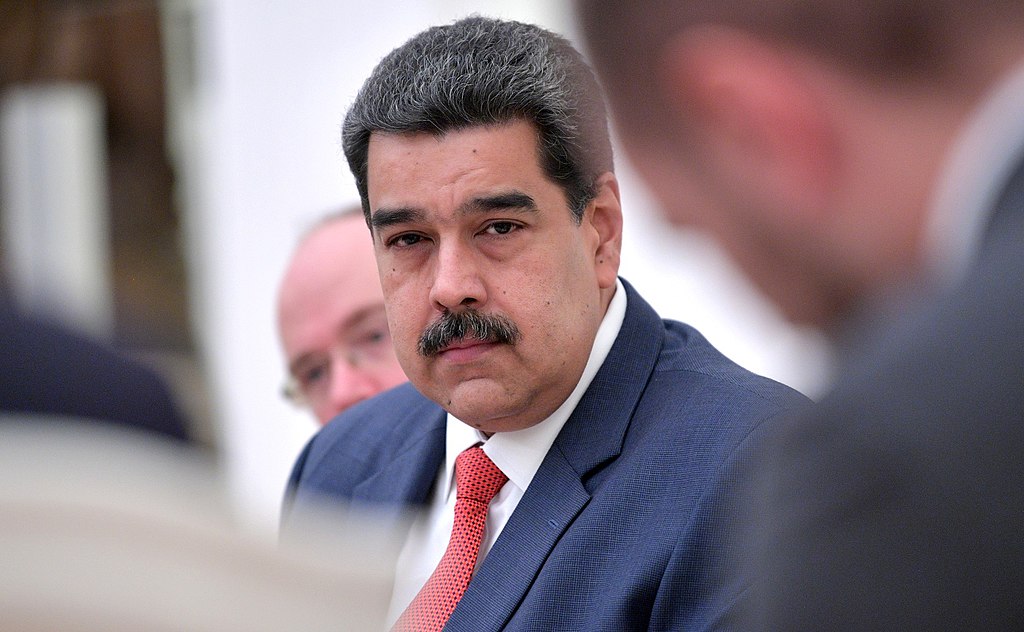
The Venezuelan government has strongly condemned the seizure of a new oil tanker near its coast, accusing the United States of committing what it described as a “serious act of international piracy.” In an official statement released on Saturday, authorities in Caracas rejected the U.S. action and said it represents an escalation in what they view as unlawful interference with Venezuela’s oil trade.
According to the statement, the vessel was privately owned and was transporting oil when it was seized by U.S. military personnel in international waters close to the South American country. Venezuela denounced what it called the “theft and hijacking” of the tanker, adding that the operation allegedly included the forced disappearance of the ship’s crew. The government said these actions violate international maritime law and undermine basic principles governing freedom of navigation.
Venezuelan officials framed the incident as part of a broader pattern of pressure against the country’s energy sector, which has faced years of U.S. sanctions targeting its oil exports. Oil remains central to Venezuela’s economy, and any disruption to shipments has significant financial and political implications. By labeling the seizure as international piracy, Caracas is signaling that it considers the action not merely a sanctions enforcement issue, but a serious breach of international norms.
The government also announced it would take diplomatic action in response. Venezuela said it plans to formally report the incident to the United Nations Security Council, as well as to other multilateral organizations and foreign governments. Officials indicated that these steps are intended to draw global attention to what they see as unlawful seizures of oil tankers and violations of sovereign rights.
The United States has previously seized tankers carrying Venezuelan oil, arguing that such actions are linked to the enforcement of sanctions. However, Venezuela continues to reject this justification, maintaining that the seizures amount to piracy and economic aggression. The latest incident is likely to further strain already tense U.S.-Venezuela relations and could prompt renewed debate at international forums over sanctions, maritime law, and the legality of tanker seizures in international waters.













