


 U.S. Futures Slide as Oil Prices Surge on Middle East Shipping Attacks
  China's Trade Surplus Surges Past Forecasts in Early 2026
  Oil Prices Surge Toward $100/Barrel After Tanker Attacks in Iraqi Waters
  Taiwan's MQ-9B SkyGuardian Drone Order Stays on Schedule Despite Middle East Conflict
  Pentagon Taps Wall Street Talent to Manage $200 Billion Defense Investment Fund
  Trump Administration Launches Trade Investigations Against 16 Countries Over Industrial Overcapacity
  Japan's BOJ Independence Under Fire as PM Takaichi's Rate Stance Draws Political Heat
  Gold Prices Climb Above $5,200 as Iran War Uncertainty and Inflation Data Loom
  UK Housing Market Slows Amid Geopolitical Tensions and Mortgage Rate Fears
  U.S.-Israel War on Iran Sends Crude Oil Prices Surging Amid Strait of Hormuz Tensions
  Venezuela Names Paula Henao as New Oil Minister Amid U.S.-Led Industry Overhaul
  U.S. Patriot Missiles Redeployed From South Korea Amid Middle East Conflict
  Russian Drone Strikes Hit Kharkiv and Dnipro, Injuring Over 20 Civilians
  U.S. Calls for Reassessment of International Aid to Taliban-Ruled Afghanistan
  Mexico's Electoral Reform Bill Fails in Congress as Coalition Fractures
  IEA Plans Record Emergency Oil Release Amid Iran Strait of Hormuz Crisis


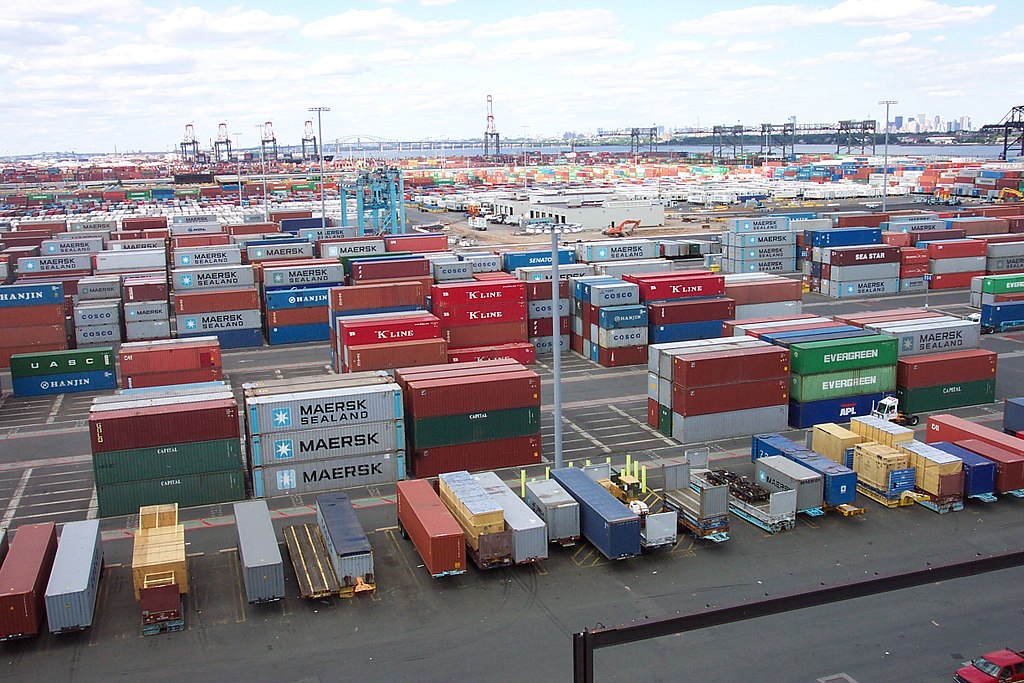
The United States and Taiwan have finalized a reciprocal trade agreement that sets a 15% U.S. tariff rate on imports from Taiwan while paving the way for lower Taiwanese tariffs on nearly all American goods. The deal, confirmed by the U.S. Trade Representative’s office, strengthens U.S.–Taiwan trade relations and reshapes supply chains in key sectors such as semiconductors, energy, and advanced technology.
Under the agreement, Taiwan will significantly increase purchases of U.S. products between 2025 and 2029. Planned imports include $44.4 billion in liquefied natural gas and crude oil, $15.2 billion in civil aircraft and engines, and $25.2 billion in power grid equipment, generators, marine equipment, and steelmaking machinery. These commitments are designed to narrow the growing U.S. trade deficit with Taiwan, which reached $126.9 billion in the first 11 months of 2025, largely due to increased imports of high-end AI chips.
The new trade framework builds on a January deal that reduced tariffs on Taiwanese exports, including semiconductors, from 20% to 15%, aligning Taiwan with regional competitors such as South Korea and Japan. Taiwan also secured exemptions on more than 2,000 product categories exported to the U.S., lowering the average tariff rate to 12.33%.
Taiwan has pledged $250 billion in corporate investments in U.S. semiconductor manufacturing, energy, and artificial intelligence projects, with Taiwan Semiconductor Manufacturing Co. already committing $100 billion. Additional collaboration is expected in greenfield and brownfield investments across strategic high-tech industries.
The agreement eliminates tariffs of up to 26% on many U.S. agricultural exports, including beef, dairy, and corn, while reducing others, such as pork and ham, to 10%. Taiwan will also remove non-tariff barriers on U.S. vehicles and adopt American safety standards for automobiles, medical devices, and pharmaceuticals.
Pending approval by Taiwan’s parliament, the trade pact is positioned to enhance economic cooperation, secure resilient supply chains, and deepen the U.S.–Taiwan strategic partnership in high-technology sectors.













