


 Oil Prices Surge Toward $100/Barrel After Tanker Attacks in Iraqi Waters
  RBA Rate Decision: Deputy Governor Signals Genuine Debate Ahead of March Meeting
  Asian Stock Markets Rise as Oil Prices Pull Back; U.S. CPI in Focus
  U.S. Markets Slip Amid Iran Conflict Uncertainty as Oil Prices Retreat
  Bank of Japan Expected to Hold Rates at 0.75% Before June Hike Amid Middle East War Uncertainty
  U.S. Futures Slide as Oil Prices Surge on Middle East Shipping Attacks
  Gold Prices Climb Above $5,200 as Iran War Uncertainty and Inflation Data Loom
  Chinese AI Stocks Surge as Tencent, MiniMax, and Zhipu Launch Agentic AI Programs
  IEA Plans Record Emergency Oil Release Amid Iran Strait of Hormuz Crisis
  Diesel Price Surge Threatens Global Economy Amid Middle East Conflict
  Dollar Steadies as Traders Await Clarity on U.S.-Israel-Iran War
  U.S.-Israel War on Iran Sends Crude Oil Prices Surging Amid Strait of Hormuz Tensions
  ANZ and Westpac Forecast Two RBA Rate Hikes in March and May 2026
  Asian Markets Retreat as Oil Prices Surge Toward $100 Amid Middle East Tensions
  China's Trade Surplus Surges Past Forecasts in Early 2026
  Asia FX Steady as Iran War Signals and U.S. Inflation Data Weigh on Sentiment
  Iran-U.S. Oil Tensions Escalate as Revolutionary Guards Threaten Strait of Hormuz Blockade


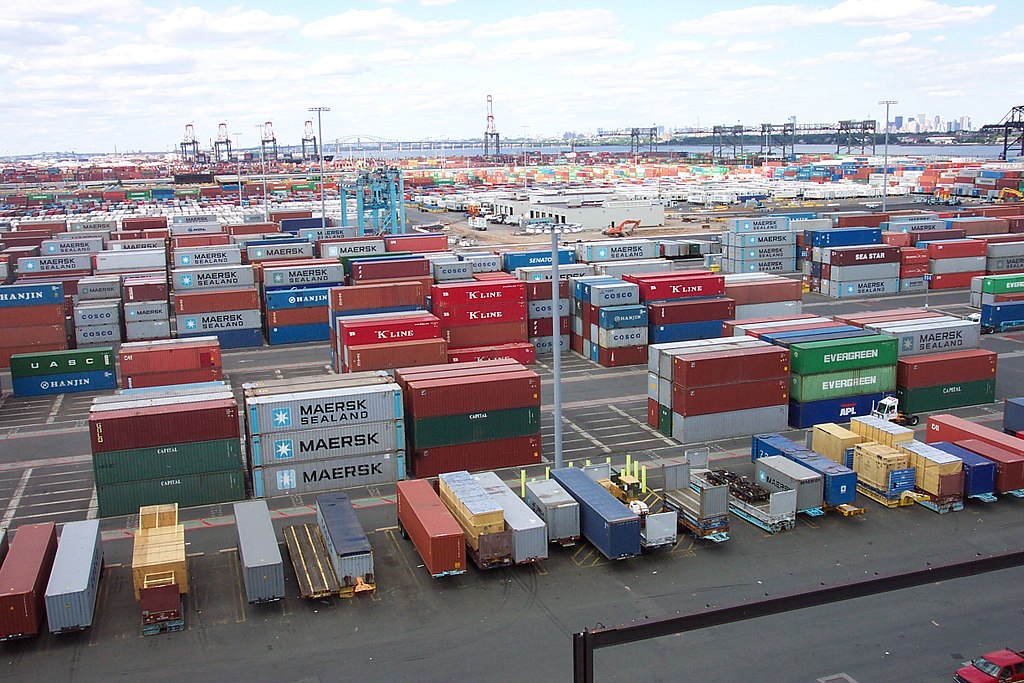
Mexico (EWW) and Canada (EWC) received a temporary boost after the White House confirmed that goods shipped under the United States-Mexico-Canada Agreement (USMCA) will be largely exempt from the newly implemented 10% global tariff. The announcement follows a landmark U.S. Supreme Court ruling that struck down President Donald Trump’s use of emergency powers to impose significantly higher tariffs on key trading partners.
Under the previous tariff structure, non-USMCA-compliant goods faced steep duties of 25% for Mexico and 35% for Canada. With the shift to a 10% global tariff and broad USMCA exemptions, economists at Desjardins and Grupo Financiero Base estimate that the effective tariff rate will decline slightly to around 3.7% for Canada and 4.4% for Mexico. This adjustment lowers immediate trade tensions and reduces the “tax wall” facing North American exporters.
The exemption is particularly important for the automotive and energy sectors, including ETFs such as CARZ and XLE. By preventing heavy tariffs on oil, auto parts, and critical manufacturing components, the decision helps stabilize cross-border supply chains and limits price volatility for businesses and consumers.
Despite the short-term relief, trade uncertainty remains elevated. While the Supreme Court ruling removed one of Trump’s preferred tools for imposing broad tariffs, the administration retains alternative mechanisms such as Section 301 investigations and Section 232 national security probes. Trade experts warn these targeted measures could be used to pursue country-specific actions, keeping markets on edge.
The 2026 USMCA review represents the most significant long-term risk for the Mexican peso (MXN) and Canadian dollar (CAD). Reports suggest Trump has questioned the agreement’s future, raising concerns about potential renegotiation or stricter enforcement. Although the current exemption eases pressure on North American trade, investors should expect a persistent “USMCA risk premium” as policy uncertainty continues to shape currency markets, equities, and cross-border investment flows.













