


 U.S. Patriot Missiles Redeployed From South Korea Amid Middle East Conflict
  U.S. Calls for Reassessment of International Aid to Taliban-Ruled Afghanistan
  U.S.-Israel War on Iran Sends Crude Oil Prices Surging Amid Strait of Hormuz Tensions
  Mexico's Electoral Reform Bill Fails in Congress as Coalition Fractures
  Trump Announces New U.S. Oil Refinery in Texas with Indian Energy Giant Reliance
  Russian Drone Strikes Hit Kharkiv and Dnipro, Injuring Over 20 Civilians
  Shots Fired at U.S. Consulate in Toronto in Suspected National Security Incident
  Iran's Government Remains Stable Despite U.S. and Israeli Strikes, Intelligence Shows
  Boeing Secures $289 Million Smart Bomb Contract With Israel
  Trump Hints at Possible U.S. Takeover of Cuba Amid Deepening Humanitarian Crisis
  Venezuela Names Paula Henao as New Oil Minister Amid U.S.-Led Industry Overhaul
  Ukraine Strikes Russian Missile Component Factory in Bryansk Using British Weapons
  U.S. Senate Greenlights AI Chatbots for Official Staff Use
  Trump-Putin Call Addresses Iran War, Ukraine Peace, and Global Oil Crisis
  U.S. and Russia Hold Diplomatic Talks in Florida Amid Ongoing Tensions
  Anthropic Sues Pentagon Over AI Blacklist, Citing Free Speech Violations
  Iran Mines Strait of Hormuz: Crude Oil Prices Surge Amid Middle East Tensions


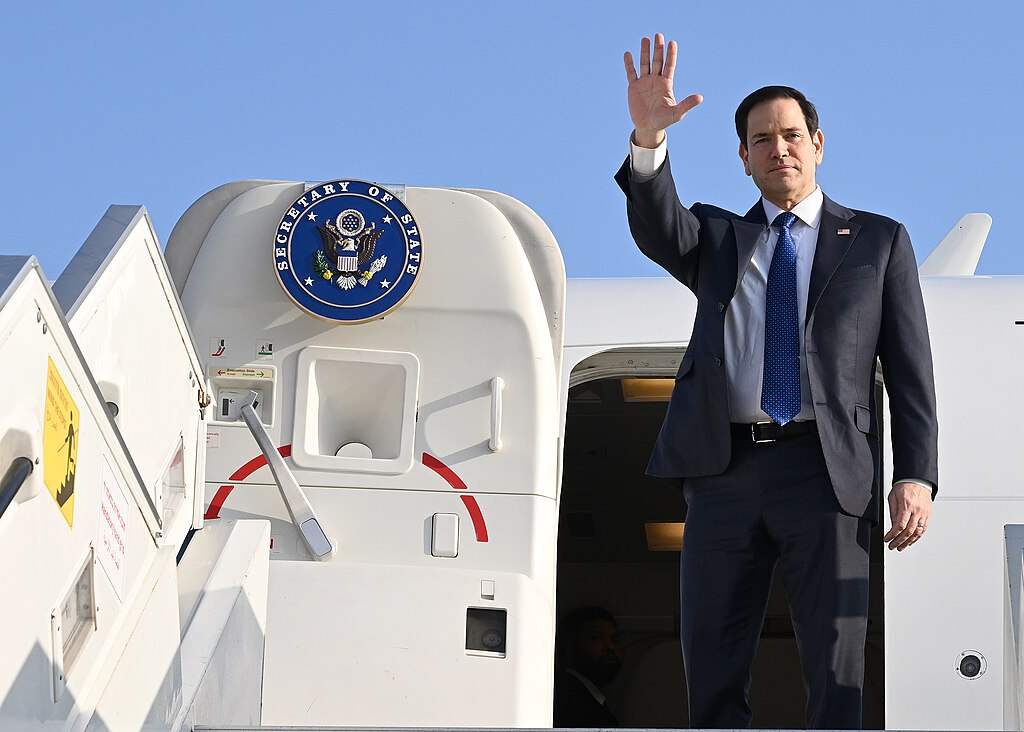
Mexican Foreign Minister Juan Ramón de la Fuente and U.S. Secretary of State Marco Rubio held a high-level call on Thursday focused on security cooperation and the future of the U.S.-Mexico partnership, according to a joint statement released by both governments. The conversation underscored the strategic importance of bilateral relations at a time of heightened concern over border security, drug trafficking, and organized crime.
Both sides reaffirmed their commitment to close collaboration between the United States and Mexico, emphasizing that shared security challenges require coordinated and sustained action. The call comes amid ongoing diplomatic efforts to address cross-border crime, particularly the trafficking of fentanyl and the operations of narcoterrorist networks that threaten communities in both countries.
Following the discussion, the U.S. State Department’s Bureau of Western Hemisphere Affairs provided additional context in a post on social media platform X. The bureau stressed that the United States considers incremental or limited progress on border security challenges to be insufficient. U.S. officials made it clear that future engagement with Mexico will depend on measurable and verifiable results.
According to the statement, upcoming bilateral talks will require concrete outcomes aimed at dismantling narcoterrorist organizations and significantly reducing the flow of fentanyl across the U.S.-Mexico border. The United States highlighted that combating fentanyl trafficking is a top priority, given the drug’s devastating impact on public health and safety in American communities.
The emphasis on “verifiable outcomes” signals a shift toward greater accountability in bilateral security cooperation. U.S. officials have increasingly called for tangible evidence of progress, including enforcement actions and reductions in drug flows, rather than broad commitments or gradual improvements.
For Mexico, the conversation reflects the ongoing challenge of balancing domestic security priorities with the expectations of its largest trading partner. For the United States, it reinforces a tougher stance on border security and drug enforcement as central pillars of foreign policy in the Western Hemisphere.
As both governments prepare for upcoming diplomatic engagements, the call between Secretary Rubio and Foreign Minister de la Fuente highlights the continued importance of the U.S.-Mexico relationship, while also making clear that future cooperation will be judged by results, not rhetoric.













