


 South Korean Court to Deliver Landmark Verdict in Yoon Suk Yeol Insurrection Case
  Tarique Rahman Sworn In as Bangladesh Prime Minister After BNP Election Landslide
  Jay Bhattacharya Named Acting CDC Director Amid HHS Leadership Shakeup
  U.S. Military Delegation Visits Venezuela After Maduro’s Arrest in Rare Diplomatic Shift
  Trump’s Geneva Diplomacy: Iran Nuclear Talks and Russia-Ukraine War Negotiations Raise Concerns
  UN Experts Condemn European Ministers Over Attacks on Francesca Albanese
  U.S. Official Alleges China Conducted Low-Yield Nuclear Test at Lop Nor in 2020
  Democratic Senators Push Tougher Russia Energy Sanctions During Ukraine Visit
  Lavrov Warns of Serious Consequences if U.S. Launches New Strike on Iran
  Cambodia’s Hun Manet Urges Thailand to Resolve Border Dispute Amid Fragile Ceasefire
  Make Japan strong again: Sanae Takaichi’s plan to transform her country’s military
  Zelenskiy Says Trump Pressuring Ukraine as Donbas Peace Talks Intensify
  Putin Condemns New U.S. Sanctions on Cuba, Pledges Russian Support
  Trump Says U.S. Trade Deficit Shrinking Sharply as 2026 Trade Surplus Looms
  Vatican Declines to Join Trump’s “Board of Peace,” Urges UN to Lead Gaza Crisis Efforts
  Randy Fine Faces Backlash Over Anti-Muslim Comments as Democrats Demand Accountability
  How can Europe meet the challenge posed by the retreat of the US?


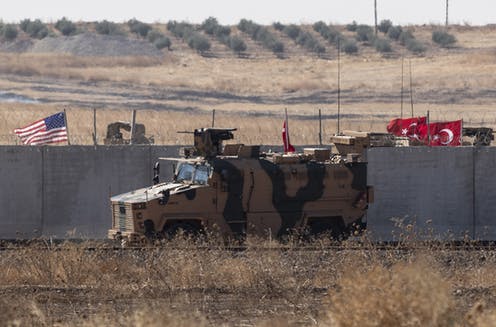
The United States has begun a “deliberate and conditions-based transition” of its military presence in Syria, according to a senior U.S. official, signaling a significant shift in Washington’s counterterrorism strategy in the region. While recent reports suggested that all roughly 1,000 U.S. troops in Syria could be withdrawn, officials clarified that American forces remain prepared to respond to emerging ISIS threats.
The Wall Street Journal reported that the U.S. was planning a full troop withdrawal. However, a senior administration official, speaking on condition of anonymity, emphasized that U.S. forces are still positioned to counter any resurgence of ISIS. The official noted that the American military presence at its previous scale is no longer necessary, citing the Syrian government’s stated willingness to take primary responsibility for combating terrorist threats within its borders.
This development reflects evolving U.S.-Syria relations and a broader reassessment of American involvement in the Middle East. The Pentagon recently confirmed that U.S. troops completed their withdrawal from a key strategic base in Syria, transferring control to Syrian forces. The handover marks another step in what analysts describe as a gradual drawdown of American military operations in the country.
The U.S. military intervention in Syria initially focused on defeating ISIS and stabilizing the region. Although the extremist group has been significantly weakened, U.S. officials continue to monitor the situation closely to prevent any revival of the terrorist network. The conditions-based approach suggests that further troop reductions will depend on security developments and the Syrian government’s effectiveness in managing counterterrorism efforts.
As the U.S. troop withdrawal from Syria progresses, global attention remains fixed on how the transition will impact regional stability, counter-ISIS operations, and broader Middle East security dynamics.













