


 Gold Price Ends Lower for Fourth Week Despite Rebound as Fed Rate Hike Bets Strengthen
  China Sets 1.25% Overnight Reverse Repo Rate Below Market Expectations
  US Dollar Slips After PCE Inflation Data as Fed Rate Hike Expectations Stay Elevated
  Argentina Economy Shrinks 1.5% in April, Recovery Under Milei Loses Momentum
  Asian Stocks Slip as US-Iran Ceasefire Hopes Lift Oil, Dollar Strength Persists
  Yen Falls to 40-Year Low as Markets Watch Japan Intervention and U.S. Jobs Report
  Global Financial Firms Shift Asia Expansion Focus to South Korea as China, India Face Caution
  China Manufacturing PMI Edges Higher in June as Exports and AI Investment Boost Growth
  China Factory PMI Seen Returning to Growth in June as AI Export Demand Supports Economy
  US Stock Futures Steady as Investors Await Payrolls Data and Monitor Iran Tensions
  Dollar Slips Ahead of Key U.S. Jobs Data as Fed Rate Outlook, ECB, and Iran Talks Shape Forex Markets
  China Expands Export Controls, Adds 20 Japanese Companies to Restricted List
  Asian Stocks End Strong Quarter as Dollar Surges, Yen Hits 40-Year Low Ahead of US Jobs Data
  Central Banks Eye Gold, Reduce Dollar Exposure as AI Adoption Accelerates: OMFIF Survey
  Trump Questions Housing Bill as He Prioritizes SAVE America Act
  Canada Grants C$7 Million to Greenland Molybdenum Mine to Strengthen Critical Minerals Supply
  Oil Prices Slip as U.S.-Iran Peace Talks and Strait of Hormuz Risks Keep Markets on Edge


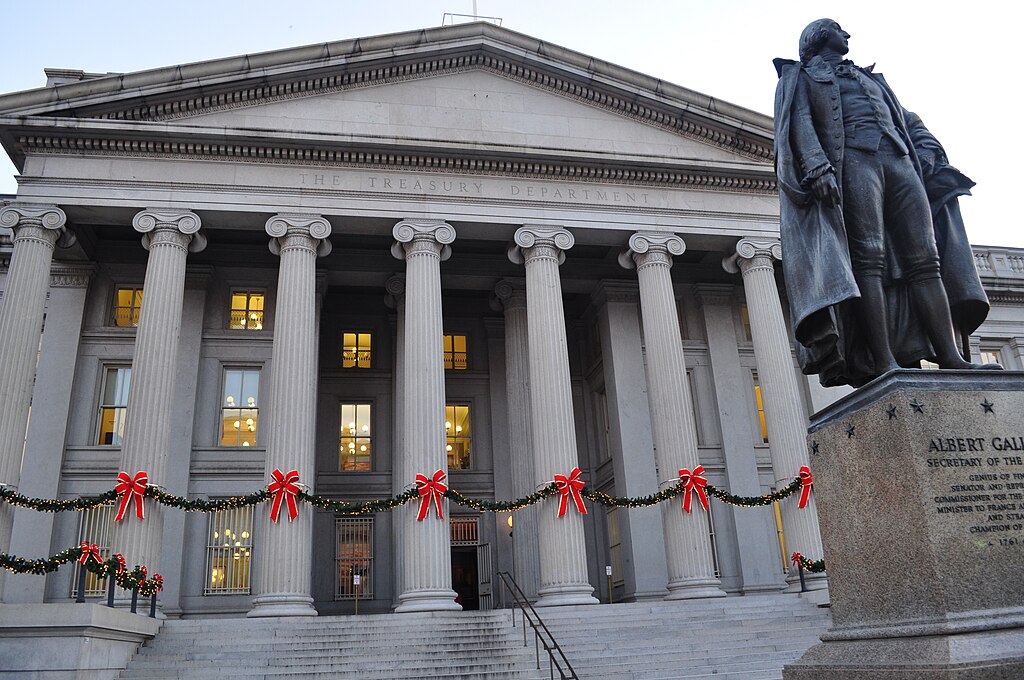
The U.S. Treasury Department is preparing to hold a series of meetings with domestic and international insurance regulators in the coming weeks, focusing on growing concerns within the $2 trillion private credit market. According to sources familiar with the matter, Treasury Secretary Scott Bessent has been planning since January to launch regular consultations with insurance regulators starting in the second quarter of this year, with the first meeting potentially announced as early as this week.
The discussions come as liquidity concerns, transparency gaps, and lending discipline issues have unsettled investor confidence in the non-bank lending sector. While the Treasury holds no direct regulatory authority over the insurance industry, Bessent aims to position the department as a central convening force and resource for all 50 U.S. state insurance regulators. Key topics on the agenda include fund-level leverage, private credit ratings consistency, offshore reinsurance practices, and investment liquidity within private credit markets. Any policy recommendations are expected to follow only after multiple rounds of consultation.
Bessent, a former hedge fund manager, has publicly expressed concern about how private credit assets flow into regulated financial institutions such as pension funds, banks, and captive insurance companies. Speaking at the Economic Club of Dallas in February, he acknowledged that private credit lending played a valuable role in filling financing gaps after the 2008 financial crisis and during the COVID-19 pandemic. However, he stressed the importance of ensuring lenders have maintained sound and prudent loan portfolios.
The Treasury is also focused on protecting everyday Americans, emphasizing that individual retirement and investment accounts — including pensions and 401(k)s — should not become vehicles for offloading poor-quality assets. Bessent made clear the administration intends to prevent any financial contagion from spreading into the broader regulated economy through unchecked private credit exposure.







