


 Javier Milei Cabinet Chief Manuel Adorni Resigns Amid Spending Scandal Investigation
  Apple Challenges India Antitrust Probe, Says CCI Copied Rivals’ Claims in App Store Case
  Iran Skips U.S. Technical Talks Over Unmet MoU Conditions and Frozen Funds Dispute
  Mexico, U.S. Launch Sterile Fly Facility to Combat New World Screwworm Outbreak
  Maria Corina Machado Vows Return to Venezuela After Earthquakes Despite Obstacles
  US Appeals Court Keeps Trump’s 10% Global Tariff in Effect During Ongoing Legal Battle
  Trump Suspends Some Morocco Fertilizer Tariffs to Ease U.S. Supply Shortage
  Bayer Wins Major U.S. Supreme Court Roundup Lawsuit, Shares Surge
  Canada Grants C$7 Million to Greenland Molybdenum Mine to Strengthen Critical Minerals Supply
  Trump Administration Defends Anthropic AI Restrictions in Ongoing Federal Lawsuit
  US Supreme Court Strikes Down Hawaii Gun Carry Law on Private Property
  California Court Dismisses Trump Administration Lawsuit Against Los Angeles Sanctuary Policy
  Sheinbaum Says No One Is Above the Law After Abuse Video of Ex-Pemex Chief Emerges
  Supreme Court Backs Lisa Cook, Defends Federal Reserve Independence Against Trump Firing Attempt
  US Strikes Iran Again After Strait of Hormuz Tanker Attack Escalates Ceasefire Tensions
  Meta Seeks Legal Shield From Child-Harm Lawsuits Amid KOSA Talks
  Fortescue Faces Class Action Over Sexual Harassment Claims at Australian Mining Sites


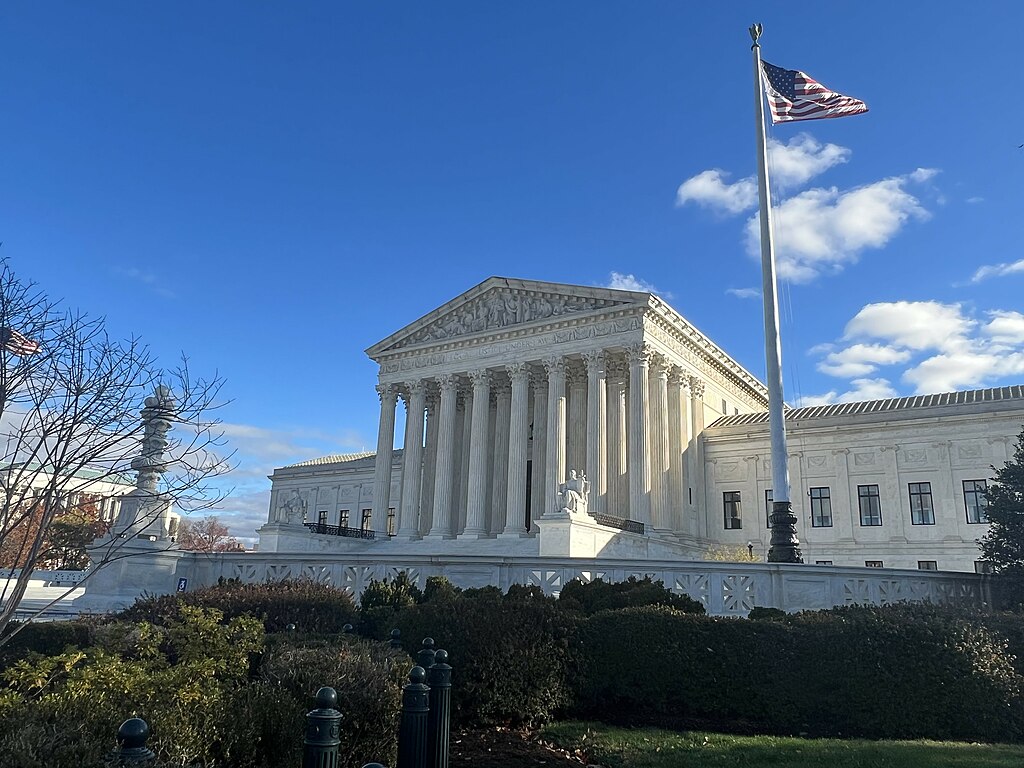
The U.S. Supreme Court has cleared the way for Alabama to implement a Republican-backed congressional map for the 2026 midterm elections, a decision that could strengthen GOP efforts to maintain control of Congress. The ruling temporarily overturns a lower court order that had blocked the map, which is expected to reshape a congressional district currently represented by a Black Democratic lawmaker.
In an unsigned decision issued by the court’s conservative majority, the justices indicated that Alabama is likely to prevail in ongoing legal challenges brought by Black voters and civil rights organizations. The challengers argue that the map reduces the political influence of Black voters and violates both the Voting Rights Act and constitutional equal protection guarantees.
The dispute centers on Alabama’s seven congressional districts. Under the proposed map, the number of districts where Black voters hold a majority or near-majority would decrease from two to one, despite Black residents making up roughly one-quarter of the state’s population. Critics claim the change weakens minority representation and disproportionately benefits Republican candidates.
The Supreme Court’s decision follows a broader wave of redistricting battles across the southern United States. Several Republican-led states have moved to redraw electoral boundaries after a recent Supreme Court ruling significantly narrowed protections under the Voting Rights Act. Similar redistricting efforts have emerged in states such as Tennessee and Louisiana, where district boundaries affecting Black voters have also been revised.
Liberal justices strongly opposed the ruling, arguing that it undermines democratic principles and voter protections. Civil rights advocates, including attorneys representing Black voters, condemned the decision and pledged to continue fighting for fair representation in Alabama.
Meanwhile, Alabama officials welcomed the ruling, describing it as a victory for state authority and lawful redistricting. State leaders argued that elected representatives, rather than federal judges, should have primary responsibility for drawing congressional maps.
The Alabama congressional redistricting case remains part of a larger national debate over voting rights, election law, and political representation. With control of the U.S. House and Senate at stake in the 2026 midterm elections, the outcome of these redistricting disputes could have significant political consequences across the country.







