


 IEA Releases Record 400 Million Barrels of Oil Amid U.S.-Iran War
  U.S. Markets Slip Amid Iran Conflict Uncertainty as Oil Prices Retreat
  Gold Prices Climb Above $5,200 as Iran War Uncertainty and Inflation Data Loom
  Dollar Strengthens Amid Oil Price Surge and Inflation Fears
  RBA Rate Decision: Deputy Governor Signals Genuine Debate Ahead of March Meeting
  ANZ and Westpac Forecast Two RBA Rate Hikes in March and May 2026
  Diesel Price Surge Threatens Global Economy Amid Middle East Conflict
  IEA Plans Record Emergency Oil Release Amid Iran Strait of Hormuz Crisis
  Chinese AI Stocks Surge as Tencent, MiniMax, and Zhipu Launch Agentic AI Programs
  Oil Prices Surge Toward $100/Barrel After Tanker Attacks in Iraqi Waters
  China's Trade Surplus Surges Past Forecasts in Early 2026
  Dollar Steadies as Traders Await Clarity on U.S.-Israel-Iran War
  U.S. Solar Market Contracts in 2025 as Trump Rolls Back Renewable Energy Incentives
  Venezuela Names Paula Henao as New Oil Minister Amid U.S.-Led Industry Overhaul
  Iran-U.S. Oil Tensions Escalate as Revolutionary Guards Threaten Strait of Hormuz Blockade
  Asian Markets Retreat as Oil Prices Surge Toward $100 Amid Middle East Tensions


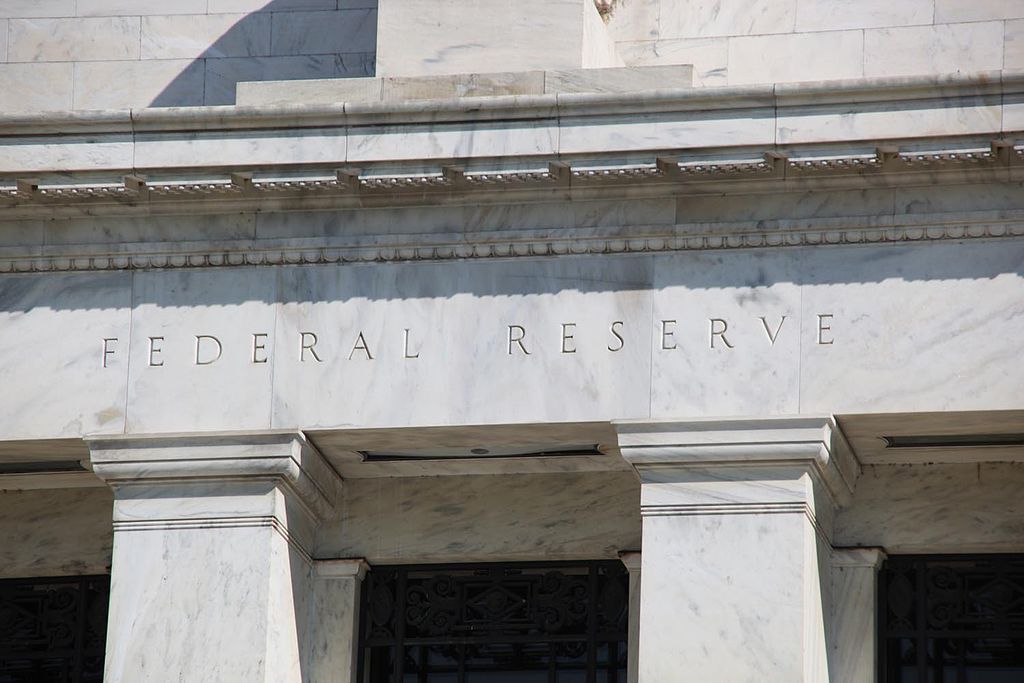
U.S. stocks closed lower on Thursday after the Federal Reserve’s latest meeting minutes signaled a more hawkish stance on interest rates than investors had anticipated. The S&P 500 declined 0.3% to 6,862.16, while the Nasdaq Composite dropped 0.3% to 22,682.73. The Dow Jones Industrial Average fell 0.5% to 49,395.16. The pullback followed Wednesday’s rally, when technology stocks and AI leader Nvidia helped offset concerns about tighter monetary policy.
The Fed’s January minutes revealed that nearly all Federal Open Market Committee members supported holding rates steady. However, policymakers appeared divided over the future path of monetary policy. Several officials indicated they would consider rate hikes if inflation remains above the central bank’s 2% target. The discussion reinforced expectations that the Federal Reserve is in no hurry to implement additional rate cuts. Artificial intelligence was also highlighted as a source of uncertainty, with debate over whether rapid AI growth could fuel or dampen inflation pressures.
Economic data released Thursday offered mixed signals. The U.S. trade deficit widened to $70.3 billion in December, pushing the 2025 deficit to $901.5 billion. Meanwhile, weekly jobless claims fell to 206,000, below forecasts of 223,000, suggesting the labor market remains resilient. Investors are now focused on Friday’s key reports, including the Personal Consumption Expenditures price index— the Fed’s preferred inflation gauge— and a preliminary estimate of fourth-quarter GDP growth, both of which could influence interest rate expectations and stock market direction.
Walmart shares dropped 1.4% despite beating quarterly earnings estimates and announcing a $30 billion share buyback. The retailer issued conservative profit guidance for the upcoming quarter and fiscal 2027, marking its first report under new CEO John Furner.
In commodities, oil prices surged to their highest levels in over six months. Brent crude rose 2.2% to $71.91 per barrel, and West Texas Intermediate gained 2.5% to $66.66, supported by Middle East tensions and declining U.S. crude inventories.













