


 U.S. Markets Slip Amid Iran Conflict Uncertainty as Oil Prices Retreat
  U.S.-Israel War on Iran Sends Crude Oil Prices Surging Amid Strait of Hormuz Tensions
  Diesel Price Surge Threatens Global Economy Amid Middle East Conflict
  U.S. Solar Market Contracts in 2025 as Trump Rolls Back Renewable Energy Incentives
  Gold Prices Slip as U.S.-Israel-Iran War Fuels Dollar and Oil Demand
  Bank of Japan Expected to Hold Rates at 0.75% Before June Hike Amid Middle East War Uncertainty
  German Exports Drop 2.3% in January, Exceeding Forecast Decline
  RBA Rate Decision: Deputy Governor Signals Genuine Debate Ahead of March Meeting
  Asia FX Steady as Iran War Signals and U.S. Inflation Data Weigh on Sentiment
  IEA Plans Record Emergency Oil Release Amid Iran Strait of Hormuz Crisis
  Nations will release an extra 400 million barrels of oil to the market. All we need to do now is not panic at the pump
  Asian Markets Retreat as Oil Prices Surge Toward $100 Amid Middle East Tensions
  U.S. Futures Slide as Oil Prices Surge on Middle East Shipping Attacks
  Chinese AI Stocks Surge as Tencent, MiniMax, and Zhipu Launch Agentic AI Programs
  Gold Prices Climb Above $5,200 as Iran War Uncertainty and Inflation Data Loom
  Iran-Israel War Sparks Global Oil Crisis as Tankers Burn in Gulf Waters
  Trump Administration Launches Trade Investigations Against 16 Countries Over Industrial Overcapacity


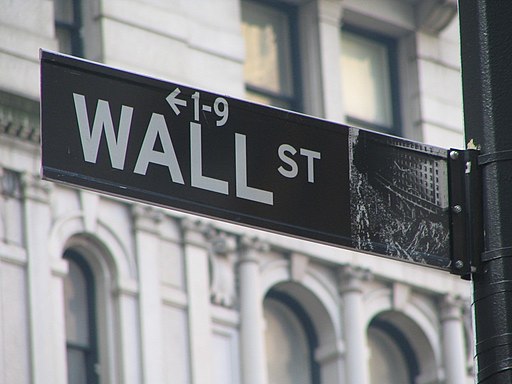
U.S. stocks ended nearly flat on Friday after a choppy trading session, as investors remained cautious ahead of a long holiday weekend and the early stages of fourth-quarter earnings season. Despite modest daily moves, all three major U.S. stock indexes recorded weekly losses, reflecting uncertainty around earnings, policy signals, and sector rotation.
The Dow Jones Industrial Average slipped 83.11 points, or 0.17%, to close at 49,359.33. The S&P 500 edged down 0.06% to 6,940.01, while the Nasdaq Composite also lost 0.06%, finishing at 23,515.39. For the week, the S&P 500 declined 0.38%, the Nasdaq fell 0.66%, and the Dow dropped 0.29%.
Healthcare stocks led sector declines on Friday, falling 0.8%, while semiconductor stocks outperformed. An index tracking chipmakers gained 1.2%, extending momentum from the prior session and highlighting ongoing strength in the technology supply chain. Financial stocks ended Friday slightly higher, but the sector posted its steepest weekly decline since October. Bank shares faced pressure amid concerns over U.S. President Donald Trump’s proposed one-year cap on credit card interest rates at 10%, despite mostly solid earnings results from major U.S. banks.
Markets also reacted to comments from Trump suggesting he may retain economic adviser Kevin Hassett in his current role, easing speculation that Hassett could replace Federal Reserve Chair Jerome Powell. Investors viewed the remarks as a stabilizing signal for monetary policy expectations.
Trading volumes were elevated, with 18.77 billion shares changing hands, above the recent 20-day average. The Russell 2000 small-cap index continued to outperform, reaching another record closing high and gaining more than 2% for the week, as money rotated out of large-cap technology stocks into undervalued mid- and small-cap names.
Looking ahead, earnings season accelerates next week with reports from major companies including Netflix, Johnson & Johnson, and Intel. With markets closed Monday for the Martin Luther King Jr. holiday and monthly options expiration behind them, investors expect continued volatility in the near term, particularly during what has historically been a choppy period for U.S. stocks in mid-January.













