


 Oil Prices Surge Toward $100/Barrel After Tanker Attacks in Iraqi Waters
  Iran-Israel War Sparks Global Oil Crisis as Tankers Burn in Gulf Waters
  Venezuela Names Paula Henao as New Oil Minister Amid U.S.-Led Industry Overhaul
  Diesel Price Surge Threatens Global Economy Amid Middle East Conflict
  IEA Releases Record 400 Million Barrels of Oil Amid U.S.-Iran War
  Nations will release an extra 400 million barrels of oil to the market. All we need to do now is not panic at the pump
  ANZ and Westpac Forecast Two RBA Rate Hikes in March and May 2026
  Asian Stock Markets Rise as Oil Prices Pull Back; U.S. CPI in Focus
  Dollar Strengthens Amid Oil Price Surge and Inflation Fears
  Trump Administration Launches Trade Investigations Against 16 Countries Over Industrial Overcapacity
  German Exports Drop 2.3% in January, Exceeding Forecast Decline
  RBA Rate Decision: Deputy Governor Signals Genuine Debate Ahead of March Meeting
  Asia FX Steady as Iran War Signals and U.S. Inflation Data Weigh on Sentiment
  U.S.-Israel War on Iran Sends Crude Oil Prices Surging Amid Strait of Hormuz Tensions
  Bank of Japan Expected to Hold Rates at 0.75% Before June Hike Amid Middle East War Uncertainty
  Asian Markets Retreat as Oil Prices Surge Toward $100 Amid Middle East Tensions
  U.S. Markets Slip Amid Iran Conflict Uncertainty as Oil Prices Retreat


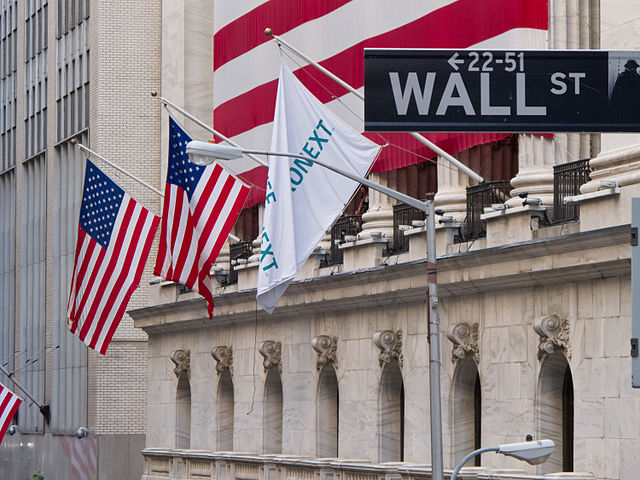
U.S. stocks ended lower on Friday, capping the worst monthly performance for Wall Street since March last year, as hotter-than-expected producer inflation data and continued weakness in technology stocks pressured investor sentiment. The S&P 500 fell 0.5% to 6,877.36, while the Nasdaq Composite dropped 0.9% to 22,668.21. The Dow Jones Industrial Average declined 1.1% to 48,977.18.
Technology shares led the downturn, with Nvidia stock sliding more than 5% despite reporting strong quarterly earnings. Investors appeared concerned about shareholder returns following a sharp rise in the company’s cash reserves, while profit-taking after a recent rally also weighed on the stock. For February, the S&P 500 lost 0.9% and the Nasdaq tumbled 3.4%, reflecting volatility driven by geopolitical tensions, trade uncertainty, and shifting views on artificial intelligence investment trends. Analysts noted growing concerns over AI-related capital expenditures and potential disruption risks in software and services.
Economic data added to market pressure. January’s Producer Price Index (PPI) rose 0.5% month-over-month and 2.9% year-over-year, exceeding expectations. Core PPI, which excludes food and energy, increased 0.8% monthly and 3.6% annually. The stronger inflation reading may delay Federal Reserve interest rate cuts, reinforcing concerns about sticky inflation. JPMorgan raised its January core PCE inflation estimate to 0.42%, suggesting the Fed could remain cautious in the coming months.
In corporate news, Netflix stock surged 14% after declining to raise its bid for Warner Bros. Discovery, while Paramount jumped nearly 21% following its improved $31-per-share offer. Dell Technologies soared 22% on record results fueled by AI server demand, and Block rallied 17% after announcing major job cuts to integrate artificial intelligence.
Meanwhile, OpenAI announced a record $110 billion funding round backed by Microsoft, SoftBank, Nvidia, and Amazon, underscoring surging AI demand. Oil prices also climbed, with Brent crude settling at $73.10 per barrel and WTI crude at $66.17, despite ongoing U.S.-Iran nuclear talks.













