


 Gold Drops Over 1% as Dollar, Treasury Yields Surge on Fed Rate Hike Bets
  European Stocks Slip as Iran Tensions Offset Strong Eurozone Data
  Gold Prices Rise as Oil Slump Eases Fed Rate Hike Fears
  US, Japan and South Korea Back Taiwan Ahead of Trump-Xi Summit
  Oil Prices Ease as Iran Tensions Clash With Diplomacy Hopes
  RBA Says ASX Still Falls Short on Governance and Risk Controls
  Wall Street Surges as Meta Leads AI Rally, Oil Prices Fall
  U.S. Dollar Hits Eight-Week High After Fed Rate Hike
  Oil Prices Rise as U.S.-Iran Talks Fuel Diplomacy Hopes
  Oil Prices Surge as U.S.-Iran Diplomacy Hopes Fade
  Gold Prices Rise as Oil Slide Eases Fed Rate Hike Fears
  US, China Extend Trade Truce to Jan. 10 Ahead of Trump-Xi Summit
  Oil Prices Extend Losses as U.S.-Iran Talks Ease Supply Fears
  Canada Unveils Bill to Fast-Track Major Resource Projects
  Gold Prices Slip as Strong Dollar and Hawkish Fed Pressure Bullion


 Add as a preferred source on Google
Impact of Port Strikes on Supply Chain
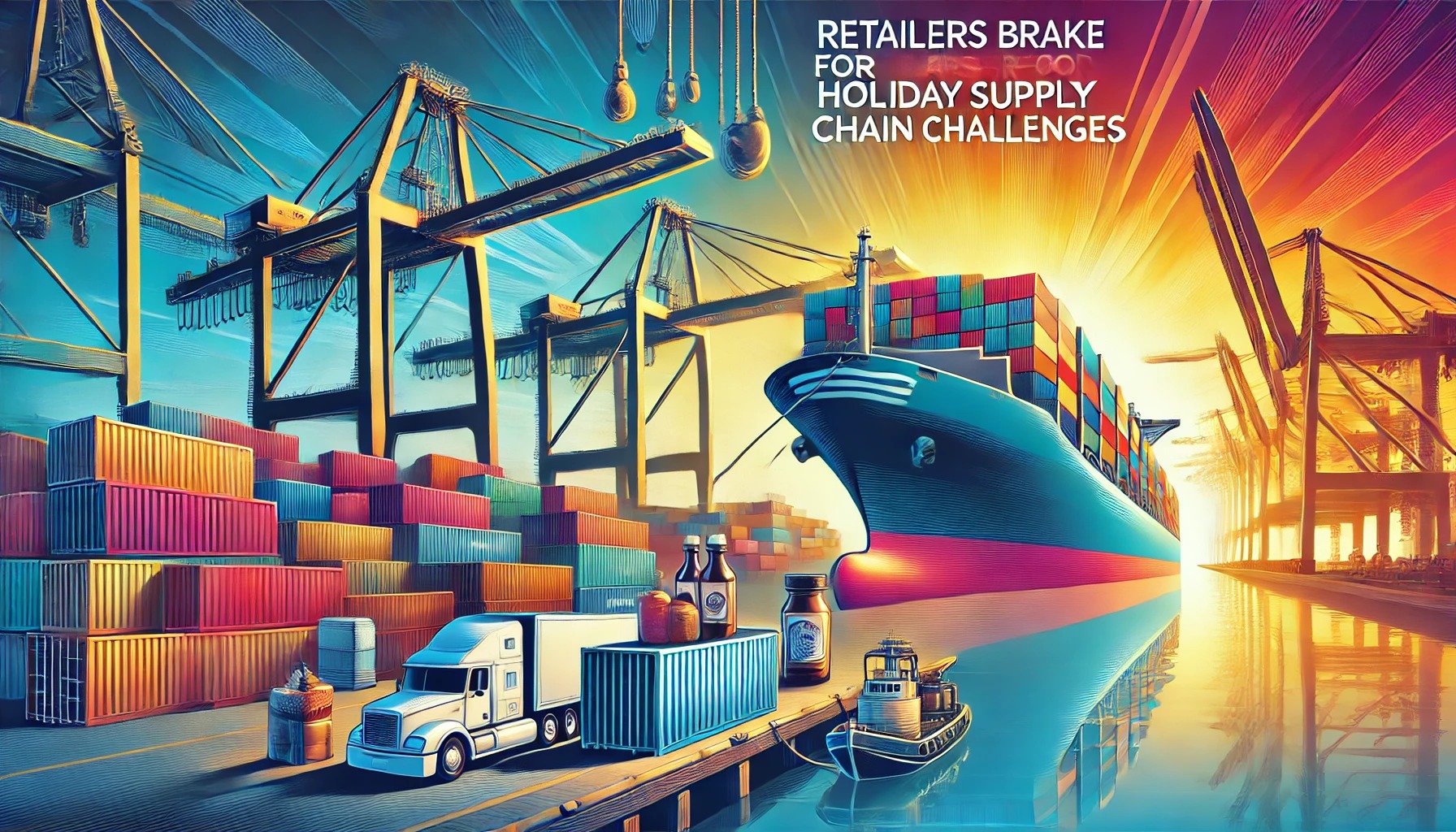
The strikes, which represent the largest dockworker strike in nearly five decades, have resulted in long queues of container ships outside major U.S. ports, halting the unloading process. This situation threatens the availability of a wide range of goods, from consumer staples like bananas to auto parts. Retailers account for nearly half of all container shipping volume, with companies like Walmart (NYSE: WMT), IKEA, and Home Depot (NYSE: HD) heavily reliant on these affected ports, according to eMarketer analyst Sky Canaves.
Retailers' Contingency Plans to Mitigate Supply Chain Delays
According to Import Yeti's bill of lading data, retailers relying on the impacted ports include major brands like IKEA, Walmart, and Goodyear Tire & Rubber. To avoid supply shortages during the critical holiday period, many retailers are exploring alternate shipping routes and transportation methods.
Levi Strauss, a leading jeans manufacturer that imports most of its products via East Coast ports, has already made contingency plans. These include rerouting shipments through U.S. West Coast ports, prioritizing specific port entries, and utilizing air freight as needed. Levi operates 1,172 stores globally, with 412 stores located across the Americas as of November 2023.
Costco is another retailer proactively planning around the port strikes. The company has pre-shipped some holiday inventory and is prepared to use alternate ports to ensure timely delivery. Similarly, Newell Brands, known for its Rubbermaid cleaning products, has reached out to retailers like Walmart and Lowe’s (NYSE: LOW) to offer increased production if needed, according to CEO Chris Peterson.
Domestic Manufacturing and Supply Chain Flexibility
Retailers like Newell Brands benefit from domestic manufacturing, particularly for Rubbermaid products, which provides an advantage over competitors who rely on international shipping. Peterson highlighted that Newell could temporarily increase production by 50%, with potential medium- to long-term capacity increases of around 20%.
Supply Chain Disruptions and the Effect on Coffee and Grocery Goods
Coffee shipments, another product imported via East Coast ports, have faced disruptions, resulting in increased prices. J.M. Smucker, the manufacturer of Folgers coffee, has developed strategies to address these challenges, including adjusting inventory levels, optimizing manufacturing processes, and rerouting shipments to West Coast ports.
Michael Ashley Schulman, Chief Investment Officer at Running Point Capital Advisors, expressed concerns that the ongoing strike could complicate retailers' contingency plans. Prolonged strikes may leave retailers with excess inventory once operations normalize, potentially impacting holiday sales.
Preparedness of Toy Makers and Major Retailers
Toy manufacturers Mattel (NASDAQ: MAT) and Hasbro (NASDAQ: HAS) have limited exposure to the port strikes as they primarily import goods through West Coast ports like Los Angeles. Walmart, the world’s largest retailer, has expressed confidence in its ability to manage supply chain disruptions and secure key products for customers.
Consumer Behavior and Inflation Concerns Amid Supply Chain Disruptions
The ongoing strikes have sparked consumer concerns, leading to panic buying of certain products like toilet paper, water, pasta, and frozen meals. Despite most paper goods being manufactured domestically, chains like Gristedes and Stew Leonard’s have seen surges in sales for essential items.
Economist Yelena Shulyatyeva from BNP Paribas (OTC: BNPQY) notes that consumer behavior during supply chain disruptions can lead to increased inflation expectations, drawing parallels to the COVID-19 pandemic's impact on supply chains and consumer sentiment.
Brands Proactively Managing Supply Chain Risks
Brands like Conagra Brands (NYSE: CAG) and Tapestry (NYSE: TPR) have reassured investors and customers that they have strategies to navigate any potential supply chain interruptions. Tapestry spokespersons mentioned the company’s ability to manage inventory and avoid significant cost increases or delays. Home Depot and Nike (NYSE: NKE) have also indicated close monitoring of the situation, while other major retailers like Birkenstock (NYSE: BIRK) and Best Buy (NYSE: BBY) have either declined to comment or are yet to respond.
Conclusion
As East Coast and Gulf Coast port strikes continue to create uncertainties, U.S. retailers are actively developing contingency plans to ensure that the holiday shopping season remains unaffected. Through strategic rerouting, inventory management, and production adjustments, these companies aim to stabilize their supply chains and provide a seamless shopping experience to customers.







