


 Anthropic Sues Pentagon Over AI Blacklist, Citing Free Speech Violations
  Venezuela Names Paula Henao as New Oil Minister Amid U.S.-Led Industry Overhaul
  Iran-U.S. Oil Tensions Escalate as Revolutionary Guards Threaten Strait of Hormuz Blockade
  Trump Hints at Possible U.S. Takeover of Cuba Amid Deepening Humanitarian Crisis
  U.S.-Israel War on Iran Sends Crude Oil Prices Surging Amid Strait of Hormuz Tensions
  IEA Releases Record 400 Million Barrels of Oil Amid U.S.-Iran War
  Bipartisan Housing Bill Advances in Senate, Aims to Tackle U.S. Affordability Crisis
  Boeing Secures $289 Million Smart Bomb Contract With Israel
  Iran-Israel War Sparks Global Oil Crisis as Tankers Burn in Gulf Waters
  Trump Announces New U.S. Oil Refinery in Texas with Indian Energy Giant Reliance
  U.S. Calls for Reassessment of International Aid to Taliban-Ruled Afghanistan
  Japan's BOJ Independence Under Fire as PM Takaichi's Rate Stance Draws Political Heat
  Mexico's Electoral Reform Bill Fails in Congress as Coalition Fractures
  Trump-Putin Call Addresses Iran War, Ukraine Peace, and Global Oil Crisis
  Israel-Iran War: Herzog Urges Patience as U.S. and Israeli Strikes Intensify
  Iran Mines Strait of Hormuz: Crude Oil Prices Surge Amid Middle East Tensions


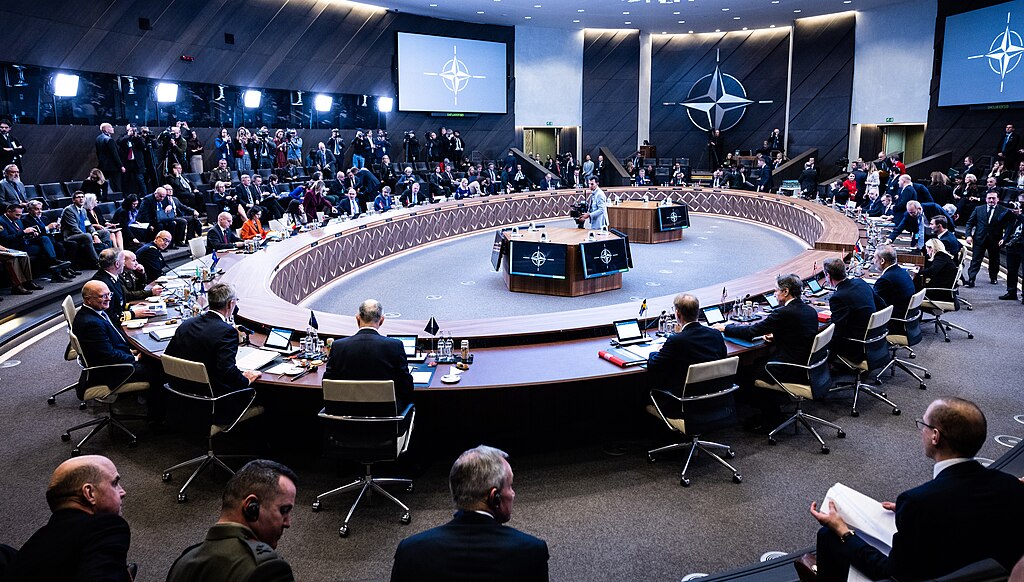
The United States is planning to reduce the number of personnel stationed at several key NATO command centers, a move that is already heightening concerns across Europe about Washington’s long-term commitment to the alliance. According to multiple sources familiar with the discussions, the Trump administration has informed some European capitals that roughly 200 U.S. positions will be eliminated from NATO bodies responsible for military planning, intelligence coordination, and special operations.
Among the NATO entities expected to be affected are the NATO Intelligence Fusion Centre in the United Kingdom, the Allied Special Operations Forces Command in Brussels, and Portugal-based STRIKFORNATO, which oversees certain maritime operations. Several other NATO units are also expected to see similar reductions. While the cuts represent a small fraction of the overall U.S. military presence in Europe, their symbolic impact is significant, particularly at a time of heightened geopolitical tension.
Sources say the reductions will largely occur through attrition, with the U.S. choosing not to backfill positions as personnel rotate out, rather than recalling service members outright. Of the roughly 400 U.S. personnel currently assigned to the affected NATO entities, about half are expected to be removed over time. The rationale behind the decision has not been officially stated, but it aligns with the administration’s broader strategy to shift more military resources toward the Western Hemisphere.
The move comes as NATO faces one of the most challenging periods in its 77-year history. Although around 80,000 U.S. troops remain stationed in Europe—nearly half of them in Germany—recent actions by President Donald Trump have unsettled European allies. These include renewed efforts to acquire Greenland, public criticism of NATO, and warnings that the U.S. may impose tariffs on certain NATO countries.
NATO officials have downplayed the significance of the staffing changes, emphasizing that adjustments to U.S. personnel levels are routine and that close coordination between NATO and U.S. authorities continues. However, European leaders remain wary, especially amid U.S. calls for Europe to assume greater responsibility for its own conventional defense capabilities by 2027.
While the military impact of the staff reductions may be limited, analysts agree the political message is clear. At a moment when NATO unity is under strain, even modest U.S. pullbacks risk amplifying doubts about the future of the transatlantic alliance.













