


 After the Iran war, Persian Gulf nations face tough decisions on the US – a former diplomat explains
  Russian Drone Strikes Hit Kharkiv and Dnipro, Injuring Over 20 Civilians
  Israel-Iran War: Herzog Urges Patience as U.S. and Israeli Strikes Intensify
  Trump Doubts Iran Mining Reports as Strait of Hormuz Tensions Escalate
  Iran's Government Remains Stable Despite U.S. and Israeli Strikes, Intelligence Shows
  Pentagon Taps Wall Street Talent to Manage $200 Billion Defense Investment Fund
  Bipartisan Housing Bill Advances in Senate, Aims to Tackle U.S. Affordability Crisis
  U.S. Patriot Missiles Redeployed From South Korea Amid Middle East Conflict
  Mexico's Electoral Reform Bill Fails in Congress as Coalition Fractures
  Iran Mines Strait of Hormuz: Crude Oil Prices Surge Amid Middle East Tensions
  Trump Administration Launches Trade Investigations Against 16 Countries Over Industrial Overcapacity
  Trump Hints at Possible U.S. Takeover of Cuba Amid Deepening Humanitarian Crisis
  Boeing Secures $289 Million Smart Bomb Contract With Israel
  U.S.-Israel War on Iran Sends Crude Oil Prices Surging Amid Strait of Hormuz Tensions
  FBI Warns of Possible Iranian Drone Attacks on California Amid U.S.-Iran War
  U.S. Senate Greenlights AI Chatbots for Official Staff Use
  Trump-Putin Call Addresses Iran War, Ukraine Peace, and Global Oil Crisis


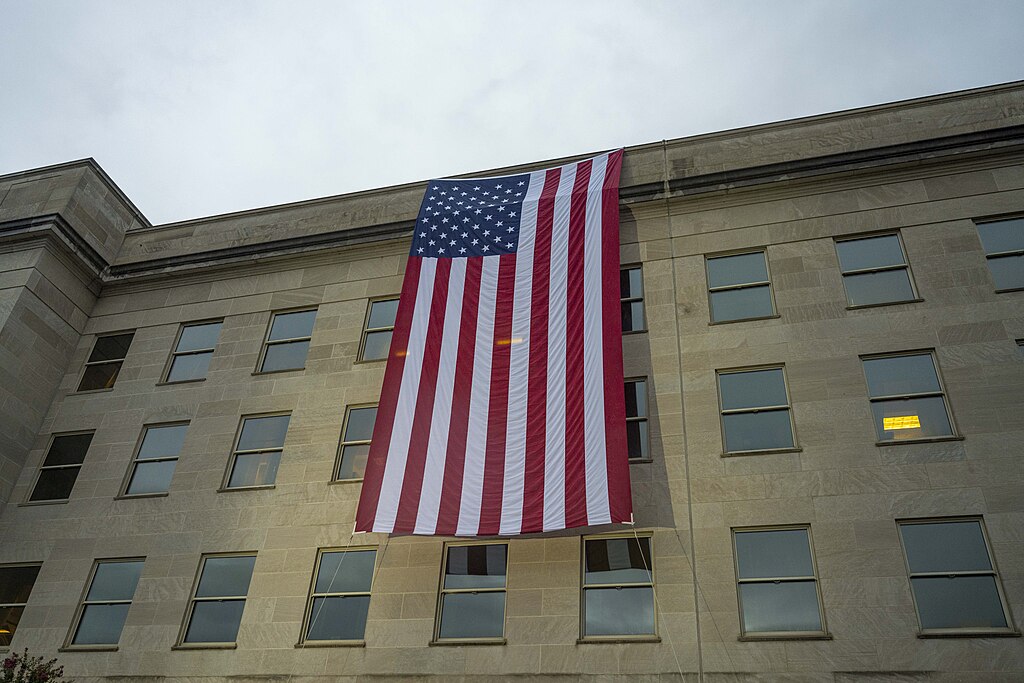
The U.S. military is preparing for the possibility of sustained, weeks-long military operations against Iran if President Donald Trump authorizes an attack, according to two U.S. officials familiar with the planning. The preparations signal a potentially significant escalation in U.S.-Iran tensions and could mark a more serious conflict than previous confrontations between the two nations.
Diplomatic efforts are still underway. U.S. envoys Steve Witkoff and Jared Kushner are scheduled to meet Iranian representatives in Geneva, with Oman mediating the talks. Secretary of State Marco Rubio recently acknowledged that while President Trump prefers a diplomatic agreement with Tehran, reaching a deal remains challenging. Iran has expressed willingness to negotiate limits on its nuclear program in exchange for sanctions relief but has refused to include its ballistic missile program in discussions.
Meanwhile, the Pentagon has strengthened U.S. military presence in the Middle East. An additional aircraft carrier, along with thousands of troops, fighter jets, and guided-missile destroyers, is being deployed to the region. These assets provide both offensive strike capabilities and defensive protection against potential Iranian retaliation. Although Trump has previously voiced opposition to deploying U.S. ground forces in Iran, the current buildup suggests air and naval strike options are under consideration.
Officials indicate that any sustained campaign could extend beyond targeting Iranian nuclear facilities to include state and security infrastructure. Iran’s Revolutionary Guard has warned it would retaliate against U.S. military bases across the Middle East, including those in Qatar, Bahrain, Kuwait, Saudi Arabia, the United Arab Emirates, Jordan, and Turkey. Experts caution that such retaliation could trigger broader regional conflict.
Trump has repeatedly warned that failure to reach a diplomatic solution over Iran’s nuclear and missile programs could lead to severe consequences. Iranian opposition figure Reza Pahlavi has argued that U.S. military intervention could accelerate political change within Iran. As negotiations continue, the risk of escalating military confrontation between the United States and Iran remains high, raising global security concerns.













