


 RBA Says ASX Still Falls Short on Governance and Risk Controls
  Yen Sinks as BOJ Rate Hike Fails to Impress Markets
  RBA Hikes Interest Rate to 4.60% as Inflation Risks Rise
  BOJ Raises Interest Rate to 31-Year High as Yen Weakens
  Fed’s Logan Signals 50 Basis Points More in Rate Hikes
  Fed’s Hammack Says More Data Needed Before Next Rate Move
  BlackRock’s Rick Rieder Favors Bonds Over Stocks as Treasury Yields Surge
  Gold Prices Fall Amid Rate Jitters; Copper Steady as China Stimulus Eyed


 Add as a preferred source on Google
Since FOMC's January meeting, financial conditions have noticeably eased. The committee had become more dovish in January, erasing around half of the tightening that came after the first hike in December. However, according to Fed Vice Chair Fischer's recent comments, it is very early to assess the implications of recent market volatility for the US economy.
Fed Governor Brainard in a speech said that with the weak global demand, tighter fiscal conditions and weaker inflation expectations, a risk management approach "argues for patience as the outlook becomes clearer". Overall, the US Fed is expected to continue with its wait-and-see attitude next week.
With the recent proof of continued rebound in labor market and strong underlying inflation pressures, it is expected that the Fed will not keep the interest rates at current near-zero levels for another year. Markets in general consider the US inflation risks benignly.
It will become difficult for the Fed to delay further hikes in rate based only on market moves, particularly with GDP growth picking up again. According to Bloomberg, markets are expecting a 4% possibility of a rate hike next week, a 45% probability of hike in June and a 74% of possibility of a hike in 2016.

- News

- Economy

- Central Banks
- Investing
- Research
- Roundups
- Digital Currency
- Insights
- Technical Analysis
- Technology
- Business
- Law
- Health
- Nature
- Fintech
- Science
- Topic
- Opinions
- ©Econometrics LLC . All Rights Reserved.
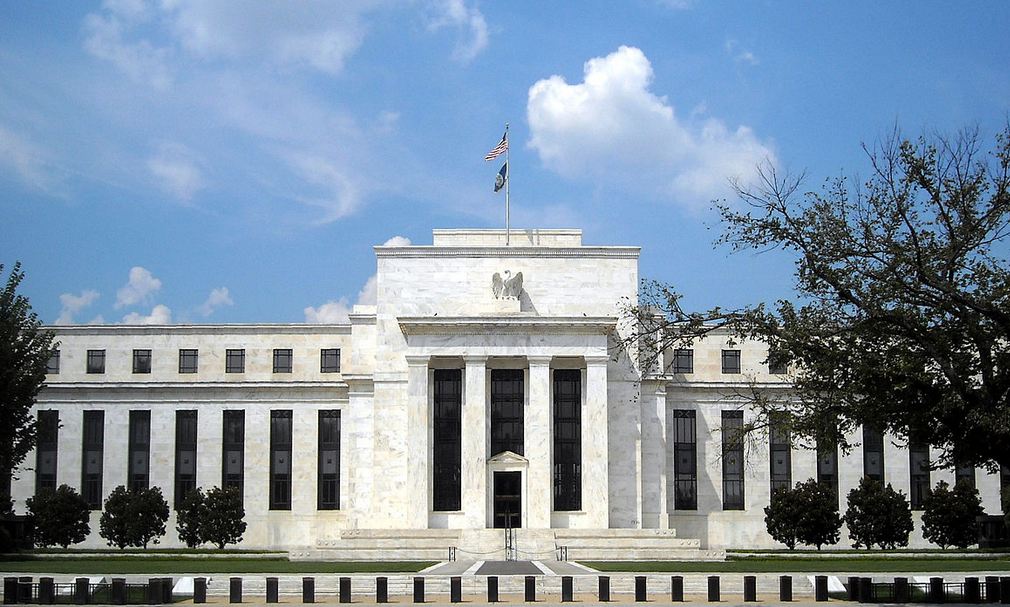
US Fed unlikely to hike rates next week, but high probability of hike in April or June
Friday, March 11, 2016 12:39 PM UTC
Editor's Picks



- Market Data
Most Popular




