


 China's Trade Surplus Surges Past Forecasts in Early 2026
  RBA Rate Decision: Deputy Governor Signals Genuine Debate Ahead of March Meeting
  Nations will release an extra 400 million barrels of oil to the market. All we need to do now is not panic at the pump
  U.S. Markets Slip Amid Iran Conflict Uncertainty as Oil Prices Retreat
  Asian Stock Markets Rise as Oil Prices Pull Back; U.S. CPI in Focus
  IEA Plans Record Emergency Oil Release Amid Iran Strait of Hormuz Crisis
  Iran-Israel War Sparks Global Oil Crisis as Tankers Burn in Gulf Waters
  German Exports Drop 2.3% in January, Exceeding Forecast Decline
  Venezuela Names Paula Henao as New Oil Minister Amid U.S.-Led Industry Overhaul
  U.S. Futures Slide as Oil Prices Surge on Middle East Shipping Attacks
  Oil Prices Surge Toward $100/Barrel After Tanker Attacks in Iraqi Waters
  Gold Prices Climb Above $5,200 as Iran War Uncertainty and Inflation Data Loom
  Trump Administration Launches Trade Investigations Against 16 Countries Over Industrial Overcapacity
  Asia FX Steady as Iran War Signals and U.S. Inflation Data Weigh on Sentiment
  Dollar Steadies as Traders Await Clarity on U.S.-Israel-Iran War
  Bank of Japan Expected to Hold Rates at 0.75% Before June Hike Amid Middle East War Uncertainty
  Chinese AI Stocks Surge as Tencent, MiniMax, and Zhipu Launch Agentic AI Programs


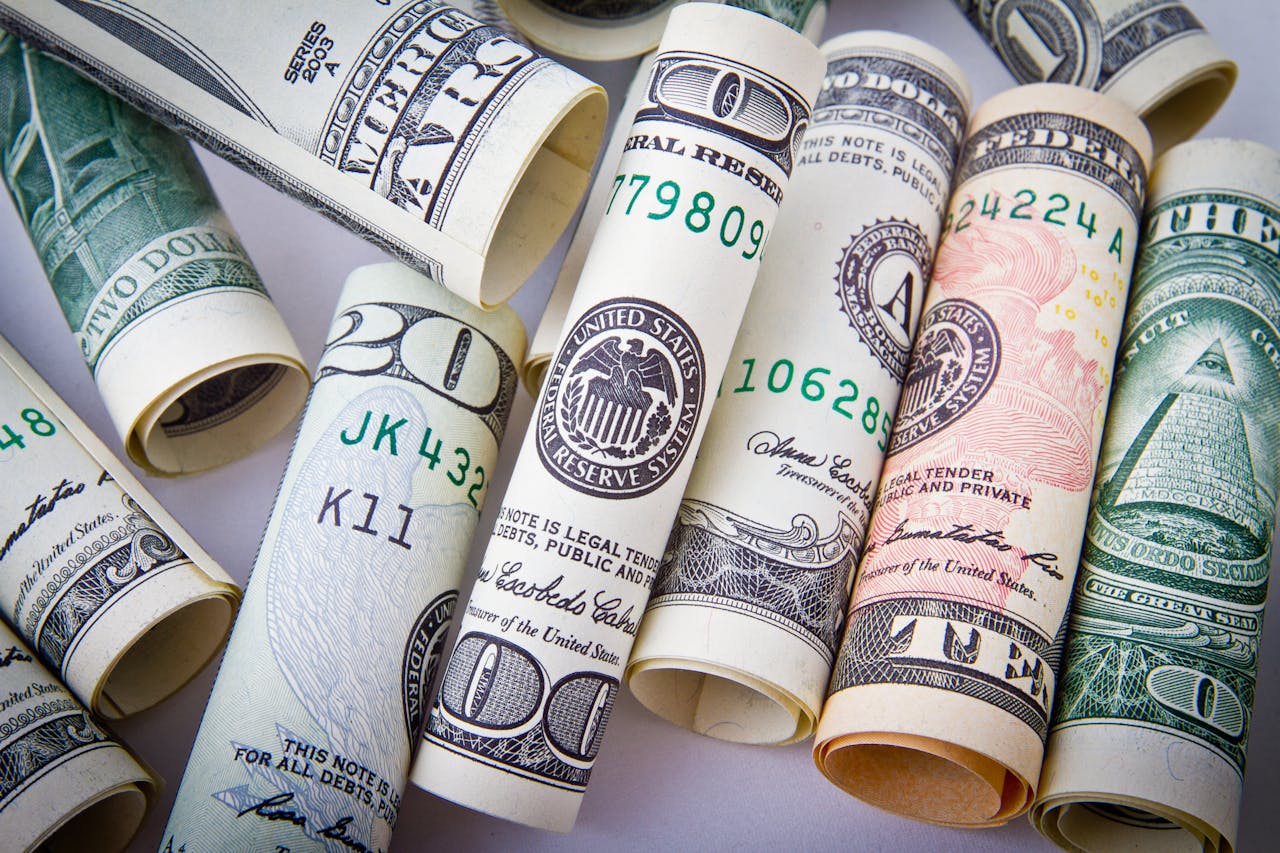
The U.S. dollar held steady in thin year-end trading but remained on track for its sharpest annual decline since 2017, as a mix of interest rate cuts, fiscal concerns, and uncertainty around U.S. trade policy weighed heavily on currency markets throughout 2025. Analysts say many of these pressures are unlikely to fade in 2026, raising expectations that dollar weakness could persist and continue supporting rival currencies such as the euro and the British pound.
One of the major drags on the greenback has been the Federal Reserve’s shift toward easier monetary policy. Markets are currently pricing in two U.S. interest rate cuts in 2026, even as the Fed itself projects only one. Added to this is ongoing concern about the central bank’s independence, with President Donald Trump confirming plans to name a new Fed chair in January to replace Jerome Powell when his term ends in May. Persistent criticism of the Fed by the administration has reinforced investor caution toward the dollar.
Positioning data from the Commodity Futures Trading Commission shows traders have maintained net-short dollar positions since April, keeping the “sell-dollar” narrative firmly intact. Although the dollar index hovered near 98.2, it has fallen roughly 9.5% in 2025. In contrast, the euro has surged about 13.5% this year to trade near $1.17, while sterling climbed 7.6% to around $1.35, marking their strongest annual performances in eight years.
Dollar weakness has also boosted emerging market currencies. China’s yuan strengthened beyond the key 7-per-dollar level for the first time in over two years and is on track for its best annual gain since 2020. Meanwhile, the Australian dollar jumped more than 8% for its strongest year since 2020, supported by improved global risk sentiment.
The Japanese yen has been a notable outlier, remaining broadly flat in 2025 despite two rate hikes from the Bank of Japan. Strategists expect this to change in 2026, with falling U.S. yields potentially reviving the yen’s safe-haven appeal and pulling dollar-yen lower toward the mid-140s by late 2026.
With global growth holding up and policy divergence widening, many strategists believe the dollar’s downward trend could extend, shaping currency markets well into the new year.













