


 Trump’s Inflation Claims Clash With Voters’ Cost-of-Living Reality
  Nicaragua Ends Visa-Free Entry for Cubans, Disrupting Key Migration Route to the U.S.
  Ghislaine Maxwell to Invoke Fifth Amendment at House Oversight Committee Deposition
  Trump Signs Executive Order Threatening 25% Tariffs on Countries Trading With Iran
  Trump Says “Very Good Talks” Underway on Russia-Ukraine War as Peace Efforts Continue
  India–U.S. Interim Trade Pact Cuts Auto Tariffs but Leaves Tesla Out
  Trump Administration Appeals Court Order to Release Hudson Tunnel Project Funding
  Bosnian Serb Presidential Rerun Confirms Victory for Dodik Ally Amid Allegations of Irregularities
  US Pushes Ukraine-Russia Peace Talks Before Summer Amid Escalating Attacks
  Trump Backs Nexstar–Tegna Merger Amid Shifting U.S. Media Landscape
  New York Legalizes Medical Aid in Dying for Terminally Ill Patients
  Israel Approves West Bank Measures Expanding Settler Land Access
  Ohio Man Indicted for Alleged Threat Against Vice President JD Vance, Faces Additional Federal Charges
  Trump Congratulates Japan’s First Female Prime Minister Sanae Takaichi After Historic Election Victory
  U.S. Lawmakers to Review Unredacted Jeffrey Epstein DOJ Files Starting Monday
  Netanyahu to Meet Trump in Washington as Iran Nuclear Talks Intensify
  Japan’s Prime Minister Sanae Takaichi Secures Historic Election Win, Shaking Markets and Regional Politics


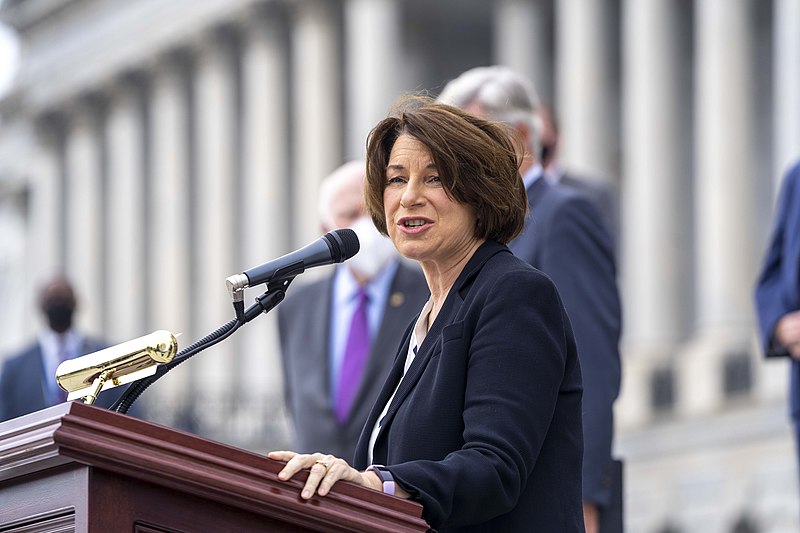
A bipartisan group of US lawmakers this week introduced legislation that would allow news outlets to negotiate with major online platforms. The new bill comes after its previous version was opposed by two technology groups that included the platforms that Facebook and Google are part of.
Four lawmakers of the House and Senate Judiciary Committees unveiled their legislation named the Journalism Competition and Preservation Act Monday, which would allow for negotiations between news outlets and major platforms like Google and Facebook. The bill is a revised version of the legislation that was first introduced in March last year but ran into opposition from tech trade groups that Facebook and Google are part of.
The bill would remove “legal obstacles to news organizations’ ability to negotiate collectively and secure fair terms from gatekeeper platforms that regularly access news content without paying for its value.” Democratic Senator Amy Klobuchar, Republican Senator John Kennedy, Democratic Rep. David Cicilline, and Republican Rep. Ken Buck introduced the bill.
The revised legislation would cover news outlets that have less than 1,500 full-time employees and non-network news broadcasters. The bill would also allow them to coordinate to negotiate better deals with Facebook, Google, and other major platforms.
The legislation introduced last year, would have applied to any print, broadcast, or digital news outlet with an editorial staff that published content at least on a weekly basis.
Meanwhile, Reuters reports that the decision by the Biden administration to forgive student loan debt as early as Wednesday, according to a source familiar with the matter. This comes as the current pause on student loan payments is set to expire at the end of August, with borrower balances frozen since the start of the COVID-19 pandemic in the country.
Several advocates for student loan cancellation expect the Biden administration to extend its current pause on student loan payments until the end of the year, while also announcing plans to cancel as much as $10,000 in student debt for those whose income is less than $125,000 a year.
The issue is likely to come up in the midterm elections in November, especially among younger voters, most of whom tend to lean Democratic.













