


 Anthropic Sues Pentagon Over AI Blacklist, Citing Free Speech Violations
  Russian Drone Strikes Hit Kharkiv and Dnipro, Injuring Over 20 Civilians
  U.S. Senate Greenlights AI Chatbots for Official Staff Use
  U.S. Calls for Reassessment of International Aid to Taliban-Ruled Afghanistan
  Japan's BOJ Independence Under Fire as PM Takaichi's Rate Stance Draws Political Heat
  Iran-Israel War Sparks Global Oil Crisis as Tankers Burn in Gulf Waters
  U.S. Patriot Missiles Redeployed From South Korea Amid Middle East Conflict
  After the Iran war, Persian Gulf nations face tough decisions on the US – a former diplomat explains
  Shots Fired at U.S. Consulate in Toronto in Suspected National Security Incident
  Trump-Putin Call Addresses Iran War, Ukraine Peace, and Global Oil Crisis
  Trump Administration Launches Trade Investigations Against 16 Countries Over Industrial Overcapacity
  IEA Releases Record 400 Million Barrels of Oil Amid U.S.-Iran War
  Iran's Government Remains Stable Despite U.S. and Israeli Strikes, Intelligence Shows
  Ukraine Strikes Russian Missile Component Factory in Bryansk Using British Weapons
  Venezuela Names Paula Henao as New Oil Minister Amid U.S.-Led Industry Overhaul
  U.S. and Russia Hold Diplomatic Talks in Florida Amid Ongoing Tensions
  Trump Doubts Iran Mining Reports as Strait of Hormuz Tensions Escalate


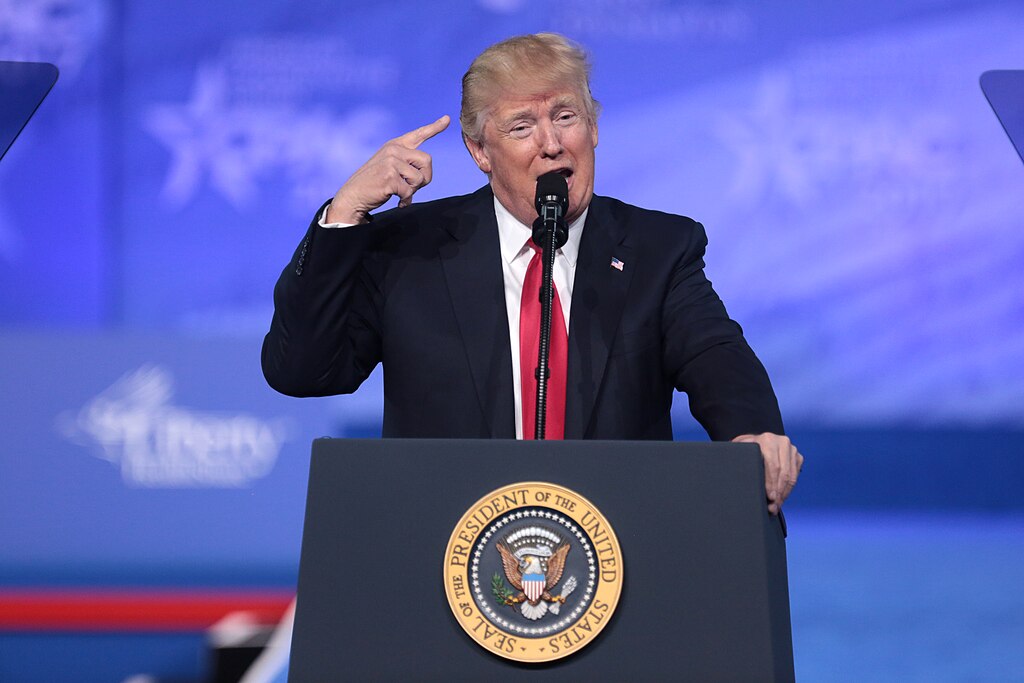
The United States has carried out airstrikes against Islamic State militants operating in northwest Nigeria, according to a statement made by U.S. President Donald Trump on Thursday. The strikes were described as a direct response to escalating violence in the region, where the extremist group has allegedly been targeting and killing civilians, particularly Christians.
In a post shared on the social media platform Truth Social, Trump said the operation was launched under his authority as commander in chief and characterized the strikes as “powerful and deadly.” He claimed the Islamic State faction in northwest Nigeria had been carrying out brutal attacks at a scale not seen in many years, raising alarm over religiously motivated violence and broader regional instability.
Northwest Nigeria has faced growing insecurity in recent years, driven by a mix of armed banditry, insurgency, and extremist activity. While the Islamic State is more commonly associated with northeastern Nigeria through its offshoot Islamic State West Africa Province (ISWAP), analysts have warned that militant networks are expanding their reach into other parts of the country, including the northwest. These groups often exploit weak governance, poverty, and long-standing local conflicts to recruit fighters and launch attacks.
The reported U.S. airstrikes signal continued American involvement in counterterrorism efforts in Africa, particularly against Islamic State-linked groups. Washington has previously supported Nigerian security forces through intelligence sharing, training, and limited military operations aimed at weakening extremist organizations that pose a threat to regional and international security.
Trump’s statement emphasized the protection of civilians and framed the operation as a response to attacks on Christians, a message likely to resonate with parts of his political base. However, Nigerian authorities have not immediately issued detailed public confirmation of the strikes or provided independent casualty assessments.
The situation in northwest Nigeria remains fluid, with security experts warning that airstrikes alone may not be sufficient to address the root causes of militancy. Long-term stability, they argue, will depend on improved governance, economic development, and coordinated efforts between local authorities, regional partners, and international allies to counter extremist violence and protect vulnerable communities.













