


 Lula, Flavio Bolsonaro Deadlocked in Brazil Election Polls
  Houthi Red Sea Gains Strengthen Iran’s Leverage Over Gulf States
  Trump Backs United Ireland During Dublin Visit
  Banking scandal rocks Brazil’s politics and the country’s presidential election in October
  BRICS Calls for Restraint as Middle East War Escalates
  Iran-Oman Talks Lay Groundwork for Hormuz Reopening
  Bill Gates Warns Governments Are Unprepared for AI Disruption
  Philippines Holds Historic Bangsamoro Election Amid Tight Security
  Judge Blocks Trump Rule Limiting Foreign Student Visas
  Mahmoud Khalil Sues Columbia Over Alleged Pro-Palestinian Harassment
  Trump Touts $5,000 Checks if Republicans Win Congress
  Trump Downplays Report Iran Obtained Chinese Satellite Images Before Jordan Attack
  Trump Rejects Calls for Tougher AI Regulation
  Canada Seeks ‘Unique Alliance’ With EU, Carney Rules Out Membership
  Ukraine Prepares for October Peace Talks With Russia and US
  Europe can’t achieve space sovereignty alone. Here’s why


 Add as a preferred source on Google
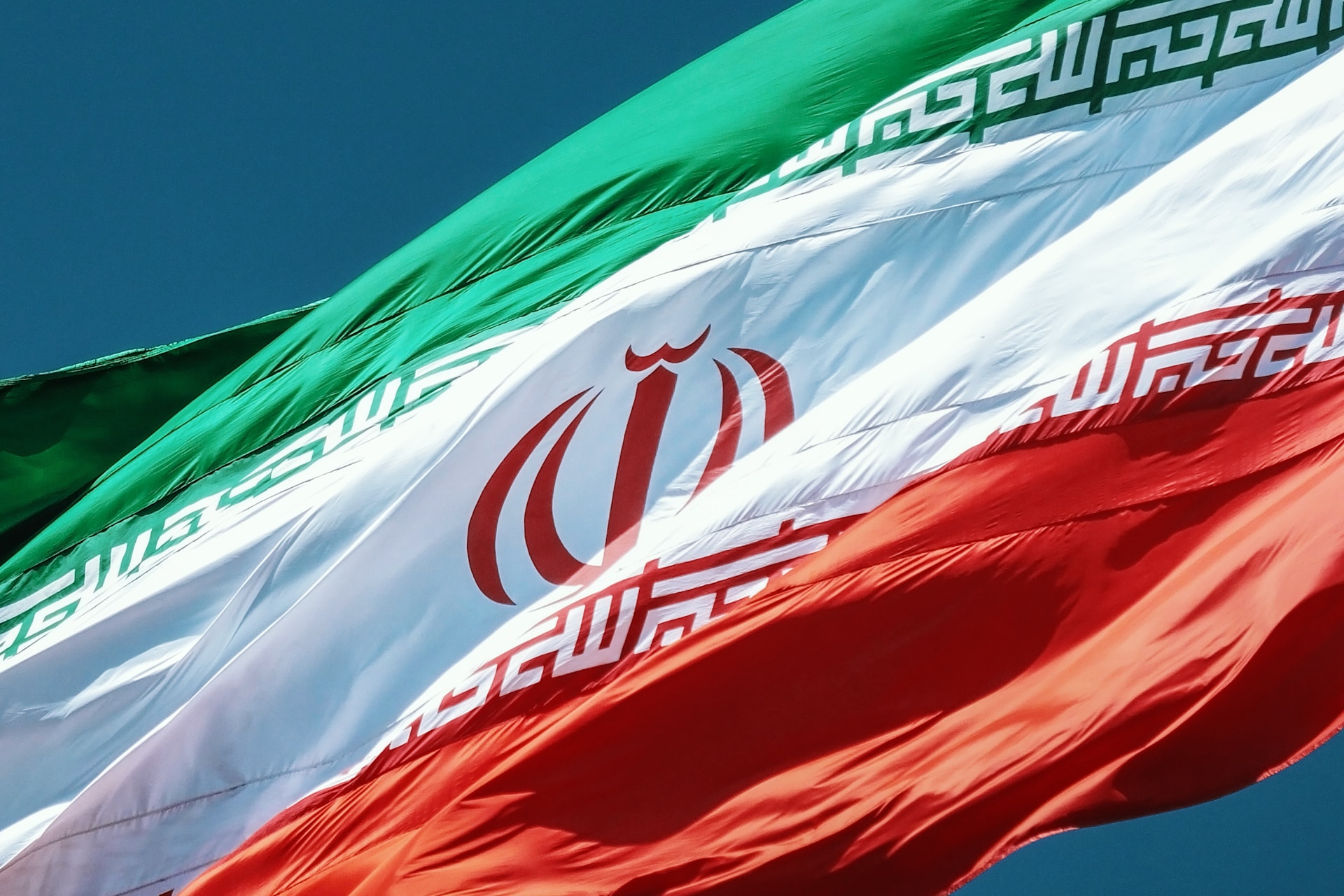
United Nations sanctions on Iran are set to be reimposed on Saturday, intensifying global tensions over Tehran’s nuclear activities. The move follows accusations that Iran violated the 2015 nuclear deal, originally signed with the United States, Britain, France, Germany, Russia, and China, which aimed to prevent the country from developing nuclear weapons. The sanctions, reinstated through the E3’s (Britain, France, Germany) snapback mechanism, are scheduled to take effect at 8 p.m. EDT (0000 GMT).
Iran has warned of a harsh response, though President Masoud Pezeshkian attempted to downplay the development, saying, “It is not like the sky is falling.” Foreign Minister Abbas Araqchi criticized European powers for failing to engage with Tehran’s proposals to keep diplomacy alive. Despite offers from the E3 to delay sanctions in exchange for renewed cooperation with U.N. inspectors and talks with the U.S., negotiations collapsed.
The reinstated sanctions, originally imposed between 2006 and 2010, include an arms embargo, bans on uranium enrichment and reprocessing, restrictions on ballistic missile development, and prohibitions on Iran’s participation in nuclear-related commercial activity. In addition, dozens of Iranian officials and entities will face travel bans and asset freezes. All U.N. member states will be authorized to seize prohibited items tied to Iran’s nuclear program.
Tehran announced it is recalling ambassadors from Britain, France, and Germany for consultations. Despite its defiance, Iran confirmed it will not withdraw from the Non-Proliferation Treaty. However, the nation’s economy faces further strain. Already weakened by U.S. sanctions since 2018, Iran’s rial currency plummeted to a record low of 1,123,000 per U.S. dollar, sparking fears of deeper financial turmoil.
While Russia condemned the move as unlawful, warning U.N. Secretary-General Antonio Guterres against recognizing the sanctions, the European Union is preparing to reimpose its own restrictions next week. With tensions rising in the Middle East following recent attacks on Iranian nuclear sites, the collapse of the nuclear deal signals an uncertain and potentially volatile period ahead.







