


 Alphabet Stock Slides as Google AI Pioneer Jeff Dean Exits to Launch Discovery Loop
  OpenAI Restricts Astra AI Over Cyberattack Risks
  DeepSeek to Raise AI API Prices as Demand for New Models Surges
  Chart of the Day: BTC Double Bottom Ignites — Buy Above $64,050 for $67K–$70K Blast-Off
  FxWirePro- Major Crypto levels and bias summary
  Senate Majority Leader John Thune Moves to Advance Crypto Clarity Act
  Sinopec Boosts Russian ESPO Oil Purchases as Middle East Supply Tightens
  Crypto Action Bias: BNB/USD Leads Bullish Momentum as Major Pairs Neutralize
  SK Hynix, Samsung Lead Asian Chip Stock Selloff After Sandisk, Western Digital Outlook
  Glencore Posts Strong H1 2026 Earnings, Announces ASX Secondary Listing
  Rubio, UK’s Miliband Stress Stronger European Security Role in Washington Talks
  Ukraine Agrees to Protect Kazakhstan Oil Exports via Black Sea
  Nvidia Seen Beating Q2 Targets as Vera Rubin Cycle Begins


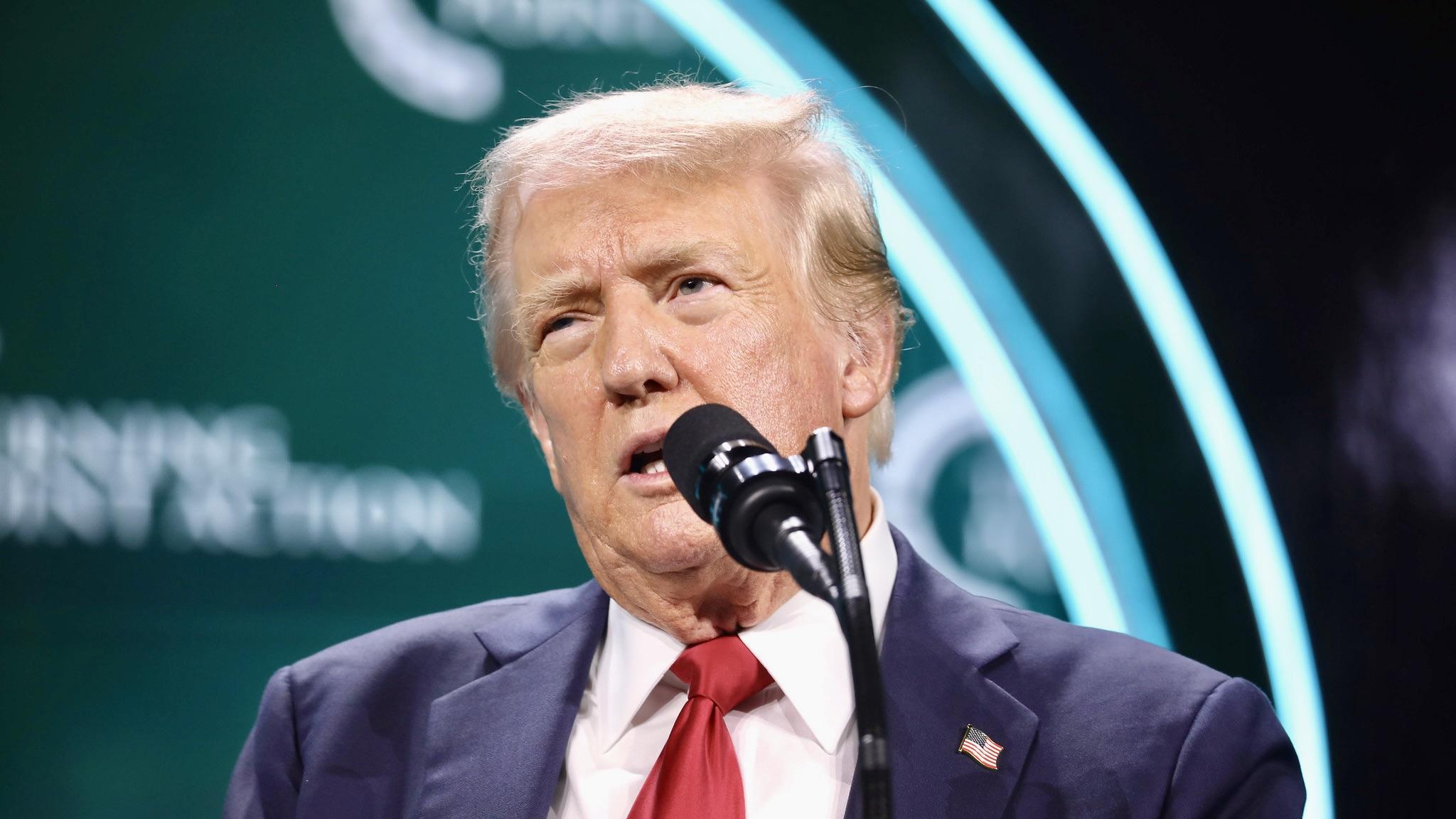
Donald Trump’s potential 2025 presidency is stirring excitement in the crypto world, with Redstone’s co-founder suggesting policies that could push Bitcoin and DeFi into mainstream finance. Analysts predict innovation and investment spikes under a crypto-friendly administration.
Trump’s 2025 Policies Could Propel DeFi Into the Mainstream
The cryptocurrency sector is abuzz with conjecture over the potential impact of Donald Trump's administration on digital finance upon his 2025 reelection.
According to RedStone's co-founder and COO, Marcin Kaźmierczak, who recently spoke with Cointelegraph, the incoming Trump administration "could drastically propel" the growth of decentralized finance (DeFi).
"Such an administration could champion policies that push DeFi from niche to mainstream, catalyzing an influx of innovation and investment," he stated.
Bitcoin’s Role in Driving DeFi Growth
Additionally, Kaźmierczak clarified that increases in the price of Bitcoin (BTC) "typically" lead to a rise in the activity of DeFi services, saying that "as BTC escalates, it doesn’t just climb in isolation; it lifts the entire DeFi sector."
According to Kaźmierczak, the Trump administration might take a more crypto-friendly stance on legislation, which might lead to the creation of new laws that lower regulatory hurdles and promote innovation.
"With Trump at the helm, expect a bullish wave across DeFi platforms, potentially rewriting the rules of digi-fi," the RedStone co-founder stated, commenting on the development of World Liberty Financial (WLFI), which is a result of the fork from Aave.
WLFI Token’s Troubled Debut
But, by 10:00 am UTC on Oct. 17, just 848.63 million (4.24%) WLFI had been sold, indicating that the debut of Trump's WLFI token on Oct. 16 had a major flop that day.
The website collapsing, people thinking it was a scam, not being able to transfer the token, and the complex buying process were all factors that contributed to the outcome.
Bitcoin Staking as a Mainstream Investment Tool
Additionally, Kaźmierczak mentioned that he thinks Bitcoin staking might compete with traditional investments by giving investors returns on their Bitcoin holdings, especially when the price of Bitcoin approaches $100,000.
“The psychological impact [...] could open an era where BTC staking becomes as commonplace as stock dividends, attracting a broader spectrum of investors from retail to massive institutional funds.”
Implications of Bitcoin’s Dual Role
When Bitcoin reaches the $100,000 mark, it may begin to serve as both a store of wealth and an income generator, which would have far-reaching consequences for both the cryptocurrency and DeFi.
Staking encourages long-term holding, which could lead to less selling pressure by enhancing Bitcoin's appeal. Nevertheless, this could still be affected by price fluctuation.
The "notorious volatility" of Bitcoin is both "a magnet for traders and a minefield for the market," according to Kaźmierczak. This makes the market unpredictable, which can "deter conservative investors and shake the confidence of participants."







