


 Iran-Israel War Sparks Global Oil Crisis as Tankers Burn in Gulf Waters
  Shots Fired at U.S. Consulate in Toronto in Suspected National Security Incident
  Taiwan's MQ-9B SkyGuardian Drone Order Stays on Schedule Despite Middle East Conflict
  Pentagon Taps Wall Street Talent to Manage $200 Billion Defense Investment Fund
  Israel-Iran War: Herzog Urges Patience as U.S. and Israeli Strikes Intensify
  Trump Doubts Iran Mining Reports as Strait of Hormuz Tensions Escalate
  Trump Hints at Possible U.S. Takeover of Cuba Amid Deepening Humanitarian Crisis
  Mexico's Electoral Reform Bill Fails in Congress as Coalition Fractures
  Iran Mines Strait of Hormuz: Crude Oil Prices Surge Amid Middle East Tensions
  U.S. Senate Greenlights AI Chatbots for Official Staff Use
  Iran-U.S. Oil Tensions Escalate as Revolutionary Guards Threaten Strait of Hormuz Blockade
  Iran's Government Remains Stable Despite U.S. and Israeli Strikes, Intelligence Shows
  Venezuela Names Paula Henao as New Oil Minister Amid U.S.-Led Industry Overhaul
  Japan's BOJ Independence Under Fire as PM Takaichi's Rate Stance Draws Political Heat
  Boeing Secures $289 Million Smart Bomb Contract With Israel
  U.S. Calls for Reassessment of International Aid to Taliban-Ruled Afghanistan
  Bipartisan Housing Bill Advances in Senate, Aims to Tackle U.S. Affordability Crisis


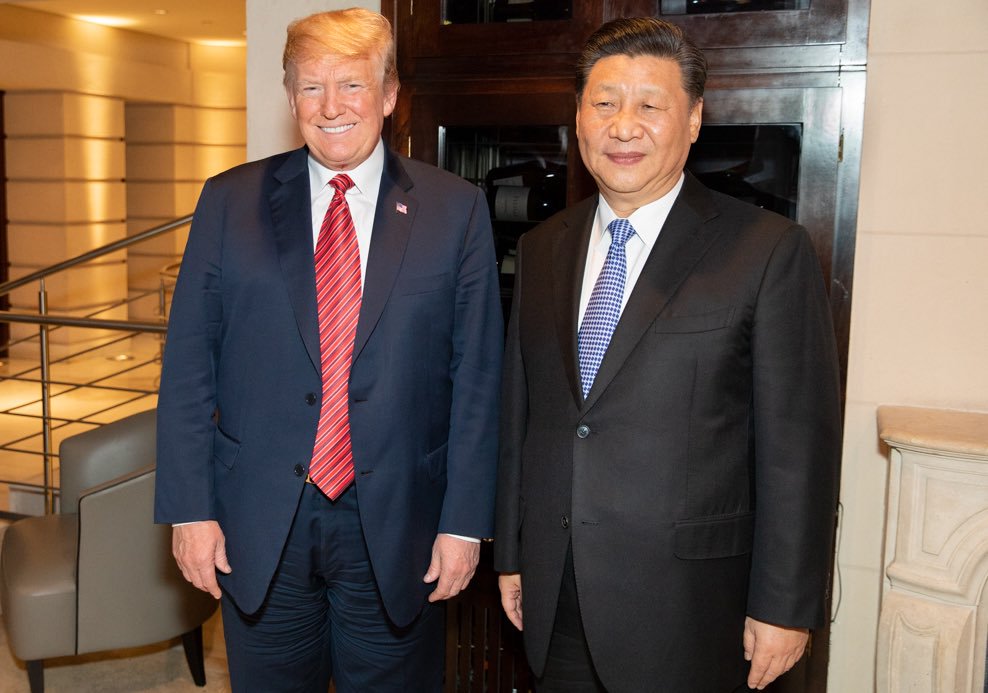
U.S. President Donald Trump said it is ultimately Chinese President Xi Jinping’s decision how China handles Taiwan, but warned he would be “very unhappy” if Beijing moved to change the current status quo. The remarks were made in an interview with The New York Times published Thursday and have drawn renewed attention to U.S.-China relations and cross-strait tensions.
In the interview, Trump said Xi considers Taiwan to be part of China and suggested that any action would be Beijing’s choice. However, Trump emphasized that he has clearly expressed his opposition to any attempt to alter the existing situation surrounding Taiwan. He added that he does not believe Xi would take military action against the island during his presidency, which is set to end in 2029, though he speculated such a move could happen under a future U.S. administration.
Trump made the comments while discussing what lessons Xi might draw from Trump’s aggressive military operation in Venezuela. The president argued the two situations are not comparable, stating that Taiwan does not pose the same type of threat to China as Venezuela’s government under Nicolas Maduro posed to the United States. He reiterated his confidence that China would avoid escalating tensions over Taiwan while he remains in office.
The Trump administration has previously outlined its approach to China in a strategy document, stating that the United States aims to prevent conflict over Taiwan and the South China Sea by strengthening U.S. military capabilities and those of its allies. This policy reflects Washington’s broader effort to deter aggression while avoiding direct confrontation with Beijing.
China continues to view Taiwan as its own territory and has never ruled out the use of force to bring the democratically governed island under its control. Taiwan, however, strongly rejects China’s claims. A spokesperson for China’s embassy in Washington reiterated that the Taiwan issue is an internal Chinese matter and part of China’s sovereign rights.
Although the United States does not maintain formal diplomatic relations with Taiwan, it remains the island’s most important international supporter and is legally required to help Taiwan maintain its self-defense capabilities. The Taiwan issue has long been a sensitive and persistent source of friction in U.S.-China relations, with Trump largely avoiding explicit statements on how the U.S. would respond to a serious escalation.













