


 U.S.-Israel War on Iran Sends Crude Oil Prices Surging Amid Strait of Hormuz Tensions
  Trump-Putin Call Addresses Iran War, Ukraine Peace, and Global Oil Crisis
  After the Iran war, Persian Gulf nations face tough decisions on the US – a former diplomat explains
  IEA Releases Record 400 Million Barrels of Oil Amid U.S.-Iran War
  Mexico's Electoral Reform Bill Fails in Congress as Coalition Fractures
  Russian Drone Strikes Hit Kharkiv and Dnipro, Injuring Over 20 Civilians
  U.S. Patriot Missiles Redeployed From South Korea Amid Middle East Conflict
  Trump Hints at Possible U.S. Takeover of Cuba Amid Deepening Humanitarian Crisis
  Japan's BOJ Independence Under Fire as PM Takaichi's Rate Stance Draws Political Heat
  U.S. Senate Greenlights AI Chatbots for Official Staff Use
  Venezuela Names Paula Henao as New Oil Minister Amid U.S.-Led Industry Overhaul
  Iran Mines Strait of Hormuz: Crude Oil Prices Surge Amid Middle East Tensions
  Iran-Israel War Sparks Global Oil Crisis as Tankers Burn in Gulf Waters
  Iran's Government Remains Stable Despite U.S. and Israeli Strikes, Intelligence Shows
  U.S. and Russia Hold Diplomatic Talks in Florida Amid Ongoing Tensions
  Trump Administration Launches Trade Investigations Against 16 Countries Over Industrial Overcapacity
  U.S. Calls for Reassessment of International Aid to Taliban-Ruled Afghanistan


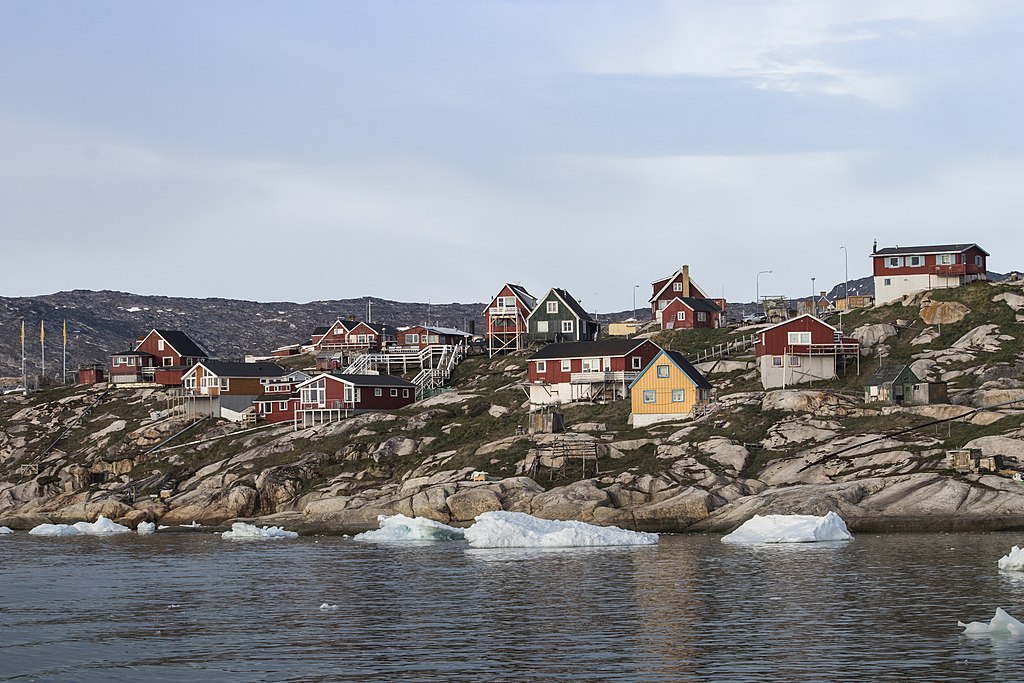
U.S. President Donald Trump has once again reignited debate over Greenland, reiterating his long-standing call for American ownership of the Arctic territory just days before attending the World Economic Forum (WEF) in Davos, Switzerland. In a social media post on Monday evening, Trump said he held a “good telephone call” with NATO Secretary General Mark Rutte and confirmed plans to meet with “various parties” to discuss Greenland during the WEF.
Trump emphasized the strategic importance of Greenland, stating that the territory is “imperative for National and World Security” and added that “there can be no going back.” This marks one of his strongest statements yet on the issue, reinforcing a position he has repeatedly raised since his previous term as president.
The upcoming WEF appearance will be Trump’s first in-person attendance at the annual gathering since leaving office. Last year, he addressed the conference remotely and also used the platform to call for U.S. control of Greenland. His renewed push has drawn global attention, particularly as geopolitical tensions rise.
In recent days, Trump escalated the situation by threatening tariffs on eight European nations unless negotiations over Greenland advance. According to his remarks, the United States plans to impose a 10% tariff starting in early February, with duties potentially increasing to 25% if no agreement is reached by July. This represents the most direct economic pressure Trump has applied in pursuit of Greenland.
In an interview with NBC News, Trump declined to clarify whether military force could be used, fueling concerns among European leaders. These worries were amplified following reports of a U.S. incursion in Venezuela earlier this year.
European officials have largely rejected Trump’s demands and are reportedly preparing retaliatory measures should the tariffs be implemented. Financial markets reacted negatively to the renewed Greenland rhetoric, with global stocks declining amid increased geopolitical uncertainty. The U.S. dollar also weakened as investors grew more cautious toward American assets.
As Trump heads to Davos, his Greenland proposal and broader U.S. policy stance are expected to remain key topics for global leaders and markets alike.













